TCMB Raises 2026 Inflation Forecast to 15–21 Percent
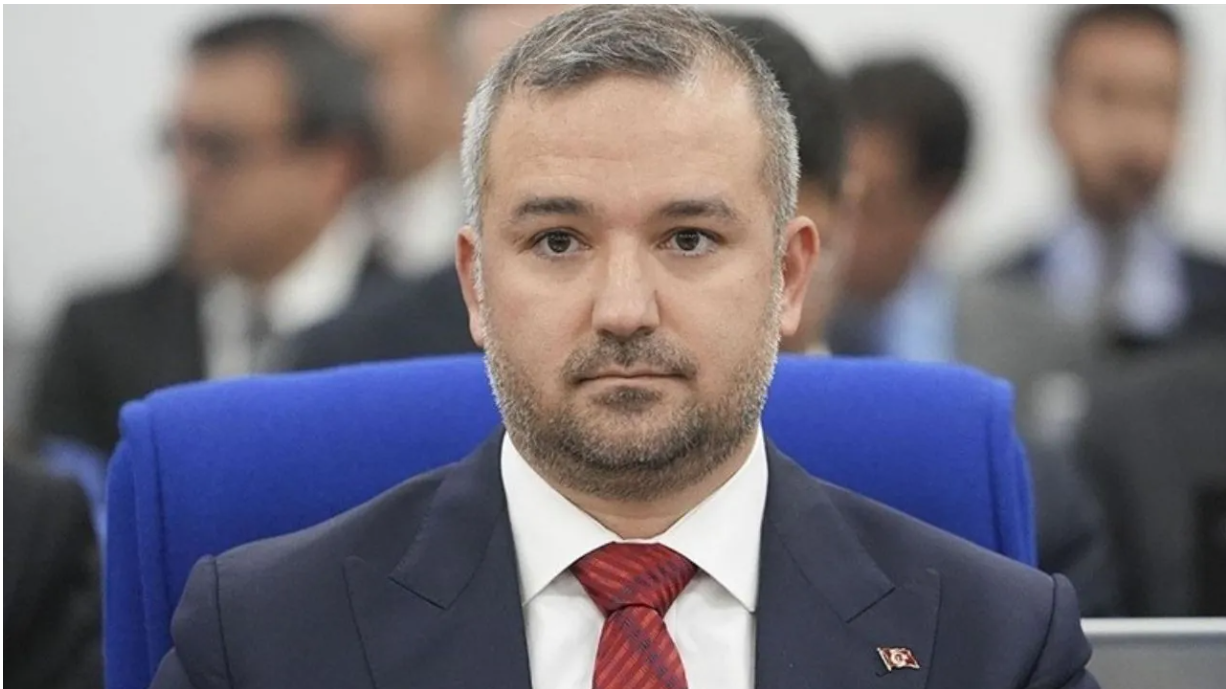 fatih karahan
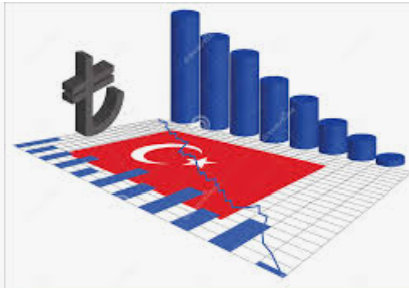
Turkey’s central bank has revised its 2026 year-end inflation forecast range to 15–21%, triggering renewed debate over the credibility of its projections and the future direction of monetary policy. The update was announced during the Central Bank of the Republic of Turkey’s (TCMB) first Inflation Report of 2026, presented by Governor Fatih Karahan at the Istanbul Financial Center.
The upward revision marks a notable shift from the previous forecast band of 13–19%, with the midpoint now 18%. Although the adjustment acknowledges earlier optimism may have been misplaced, several prominent economists argue the new estimates remain overly ambitious.
“This Is Not Realistic Either”
Economist Dr. Mahfi Eğilmez offered a measured response to the revised figures. While welcoming the acknowledgment that earlier projections were overly optimistic, he remained skeptical about the new target.
“TCMB raised its year-end point inflation forecast from 16% to 18%. This is not realistic either, but it has meaning in that it represents an acknowledgment that the previous one was not realistic.”
Eğilmez also addressed the ongoing debate over interest rate cuts, cautioning that the central bank should not rush into easing monetary policy at this stage.
His remarks reflect a broader concern among market observers that inflation dynamics remain more persistent than official projections suggest.
Hakan Kara: “For Three Years, the Forecasts Haven’t Materialized”
Former Central Bank Chief Economist Prof. Dr. Hakan Kara delivered sharper criticism. He pointed to what he described as a pattern of systematic optimism in inflation projections over recent years.
“The Central Bank’s most criticizable aspect is probably that it always remains on the optimistic side regarding inflation. For three years it has persistently projected a negative output gap — it hasn’t worked. It predicts low inflation — it doesn’t work. It says it’s temporary — it doesn’t work. It says it’s one-off — it doesn’t work. When it doesn’t work, it simply doesn’t work.”
Kara’s remarks highlight concerns about the forecasting framework and credibility of monetary policy guidance, particularly in a country that has experienced prolonged high inflation.
Will There Be a Rate Cut in March?
While the Inflation Report did not directly address the timing of future interest rate decisions, Governor Karahan’s comments drew significant attention.
“I think it is important to see the data for March and April in order to gain a clearer picture of the inflation outlook at this stage.”
This statement was widely interpreted as a signal that the central bank may refrain from taking action in March.
Economist İris Cibre reacted quickly to the governor’s wording:
“In response to the question about whether a rate pause is expected in March, the Governor said, ‘The threshold required for increasing the size of the step has risen somewhat.’ From this answer, it could also be inferred that we may continue rate cuts in small steps. However, the response ‘It is important to see March and April’ signals that a pause could happen. March is currently 50:50.”
Her assessment reflects market uncertainty over whether the TCMB will continue gradual rate reductions or opt for a temporary hold.
Upper Band of 21% Draws Attention
Economist Burcu Aydın suggested that the real focus of markets and the business sector will likely be on the upper band of the new 15–21% forecast range.
“These statements can be interpreted as meaning there is room for a rate cut in March. However, the target that will be read by the market and the real sector will be the upper band of 21%. The upper band is quite ambitious at this stage and does not allow room for a rate cut in March.”
Her comments underscore the tension between forward guidance and the realities of inflation. If inflation expectations anchor closer to 21%, room for policy easing may remain limited.
“Signal That the Size of Rate Cuts Won’t Increase”
Dr. Barış Esen noted that while Karahan did not rule out a pause in rate cuts, he signaled that the magnitude of reductions is unlikely to increase.
“Central Bank Governor Karahan did not give a clear ‘no’ to the question of whether there would be a pause in rate cuts, but he signaled that the size of the cuts would not increase.”
Esen added that he believes the central bank remains overly optimistic regarding inflation trends.
Is 20% Inflation Now Considered “Success”?
Journalist Barış Soydan interpreted the widening of the forecast band as a subtle shift in communication strategy.
“The Central Bank kept the 2026 inflation target at 16% but raised the band from 13–19% to 15–21%. It’s like neither the skewer nor the kebab burned — but ultimately inflation above 20% at the end of 2026 has now entered the definition of ‘success.’”
According to Soydan, even if the official target remains unchanged, monetary policy in practice could become slightly looser than what a strict 16% target would require. Markets appeared to respond positively in the immediate aftermath.
Debate Over Exchange Rate and Gold Demand
Another point of discussion emerged from Karahan’s explanation regarding increased foreign exchange demand following the unwinding of FX-protected deposit schemes (KKM). He attributed part of the movement to rising gold prices.
Prof. Dr. Emre Alkin criticized this explanation:
“The President couldn’t say, ‘When we held down the exchange rate, people rushed to gold…’”
The remark reflects skepticism about the official interpretation of capital flows and domestic asset preferences.
Inflation and Poverty Concerns
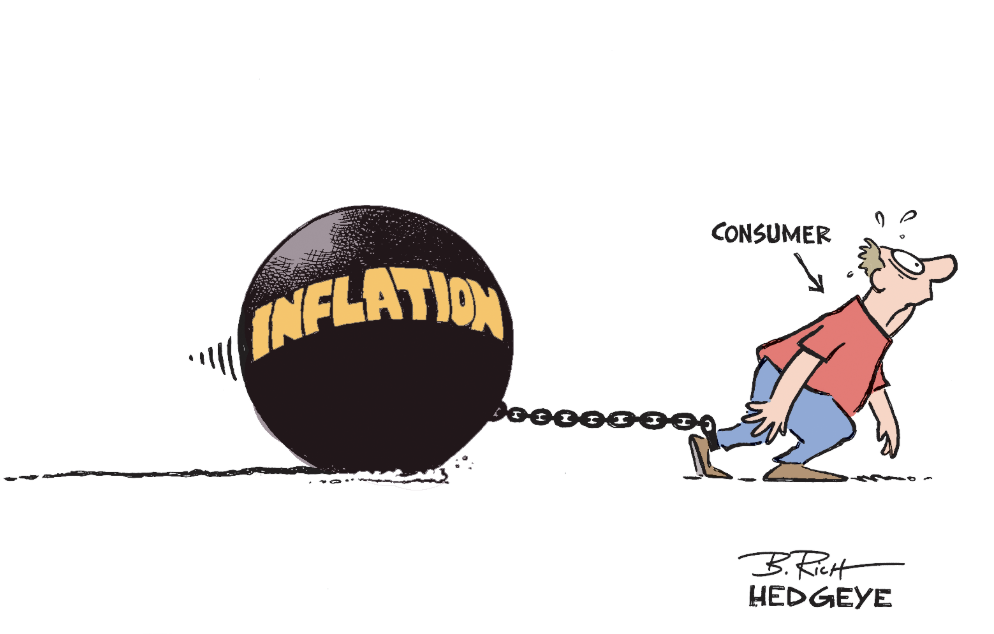
Economist Tunç Şatıroğlu placed Turkey’s inflation in an international context, arguing that even if the 16% target were achieved, it would still leave Turkey among countries with comparatively high inflation.
“If Dr. Fatih Karahan had not abandoned the 16% target and had been able to achieve it, inflation would still be between Bolivia and Nigeria. For now, the situation is worse than even in Malawi and Burundi. No KAAN, no growth can overshadow the poverty created by excessively high inflation that has continued for years and will continue this year, as just announced.”
His remarks emphasize the broader socioeconomic consequences of prolonged high inflation, particularly its erosion of purchasing power.
A Test of Credibility Ahead
With the 2026 inflation forecast revised to 15–21%, the TCMB faces a renewed test of credibility. Markets will closely monitor incoming data from March and April to gauge whether the central bank’s projections align with economic realities.
At the center of the debate lies a familiar question: can Turkey’s monetary policy framework successfully anchor expectations after years of persistent inflation surprises?
The answer may determine not only the path of interest rates but also the long-term stability of the Turkish economy.