



Turkey Launches “Zero Tolerance” Era Against Food Fraud
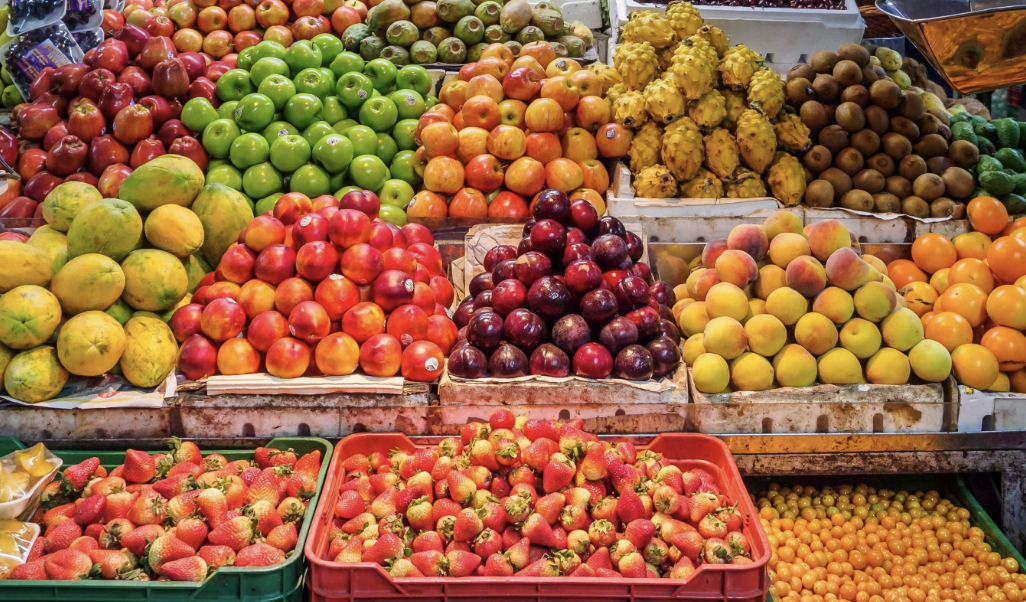 food prices
Turkey’s Ministry of Agriculture and Forestry is preparing to implement a new “zero tolerance” policy on food fraud and adulteration, expanding its inspection network and developing a draft law that would significantly increase penalties and expedite bureaucratic processes.
Fatih Kaya, Deputy Director General of Food and Control, announced that the ministry is drafting new legislation to strengthen sanctions against businesses engaged in imitation and adulteration (taklit ve tağşiş) practices. The proposal includes higher fines and structural changes to enable faster enforcement, particularly in cases that require business closures.
The move comes amid growing public concern over food safety violations, including cases involving vegetable oil found in cheese products and offal detected in döner meat.
2.7 Billion TL in Fines: Inspection Data Reveals Scale
Recent inspection data illustrate the scale of Turkey’s crackdown on what officials describe as “food terrorism.” According to ministry figures covering inspections conducted through November of last year:
More than 8,000 personnel carried out nationwide inspections.
Approximately 33,000 non-compliance cases were identified.
Administrative fines totaling 2.7 billion Turkish lira were imposed on businesses violating food safety regulations.
Legal complaints were filed with public prosecutors against 572 businesses found to have committed serious violations.
These figures highlight the increasing intensity of food safety inspections in Turkey, as authorities seek to deter fraudulent practices and protect consumers.
Heavier Penalties in 2026: Fines Up to 4.74 Million TL
With updated revaluation rates, the financial cost of engaging in food fraud will rise further in 2026. Fatih Kaya stated that this year’s penalty range will vary between 474,000 TL and 4,740,000 TL, depending on the severity of the violation.
However, the ministry is preparing to push those upper limits even higher. Kaya indicated that a new legal arrangement is underway that would increase fine ceilings “a notch higher,” signaling the government’s intention to make food adulteration financially unsustainable for offenders.
The emphasis is clear: food fraud will carry increasingly severe economic consequences.
Key Reform: No More Waiting for Court Decisions
Perhaps the most significant proposed change concerns the authority to close businesses. Under the current system, closure decisions often require judicial processes, which can take considerable time. During lengthy court proceedings, businesses accused of serious violations may continue operating.
The draft reform aims to transfer closure authority directly to the Ministry of Agriculture and Forestry, removing it from judicial bodies. This would enable immediate administrative closure upon detection of a serious violation.
Under the proposed framework:
The ministry would have direct authority to impose closure penalties without waiting for court rulings.
Businesses found engaging in imitation or adulteration could be shut down swiftly upon detection.
Companies listed in the adulteration and imitation registry would be categorized as “high risk” and subject to more frequent, continuous inspections.
This structural shift is designed to shorten enforcement timelines and prevent repeat offenses during prolonged legal procedures.
Increased Oversight Ahead of Ramadan
As Ramadan approaches, when food consumption patterns intensify and market activity increases, the ministry is tightening field inspections. Kaya recalled that nearly 200,000 inspections were conducted during Ramadan last year.
Authorities emphasized that inspection teams will operate at full capacity again this year to ensure consumers have access to safe, compliant food products during the holy month.
Ramadan typically sees increased demand for staples such as meat, dairy, butter, and desserts — categories that have previously been targeted by fraudsters. Enhanced oversight during this period reflects heightened sensitivity to both consumer health and market fairness.
A Broader Strategy for Food Safety in Turkey
The ministry’s expanding inspection network, higher fine thresholds, and structural reforms indicate a comprehensive approach to strengthening food safety regulation in Turkey. By combining administrative enforcement with criminal complaints in severe cases, authorities are signaling a multi-layered strategy.
Public disclosure lists detailing products found to contain prohibited substances or unauthorized ingredients have also become a visible part of enforcement efforts. These transparency measures aim to inform consumers and deter malpractice by imposing reputational consequences.