Davutoğlu Breaks Silence on Epstein Files Allegations
 davutoglu-epstein-files
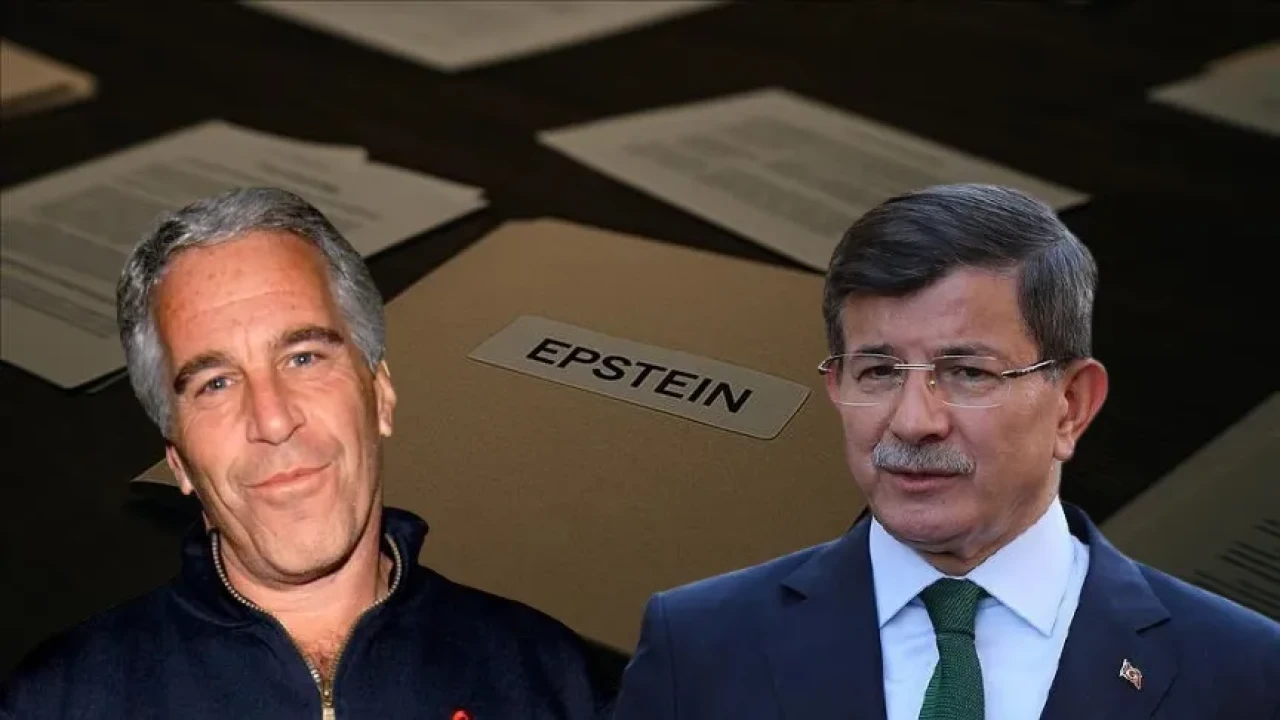
Future Party leader and former Turkish Foreign Minister Ahmet Davutoğlu has forcefully rejected allegations associating him with the Epstein files, placing the issue at the center of a highly charged political speech. Speaking at a Yeni Yol parliamentary group meeting, Davutoğlu directly addressed claims circulating in political discourse and criticized both the ruling government and former party colleagues for remaining silent.
The controversy surrounding the Epstein files has recently surfaced in Turkish political debate. Davutoğlu strongly denied any affiliation, arguing that attempts to connect his name to such files constitute defamation.
Framing the issue as both a personal and an institutional matter, he questioned why former allies who once publicly supported him are not defending him now.
“Did We Not Fight This Struggle Together?”
In his speech, Davutoğlu reminded the public of his tenure as Turkey’s Foreign Minister, emphasizing his diplomatic record and stance on sensitive international issues. He challenged the current government leadership for what he described as a failure to stand by him.
“Did we not fight this struggle together? Where are those who applauded me in the Grand National Assembly of Turkey?” he asked, referring to members of parliament who once praised his diplomatic efforts.
He further criticized former colleagues for what he called moral silence: “Why do you not speak the truth? Why do you not bear witness to what is right?”
Davutoğlu argued that if there were any credible basis to claims linking him to the Epstein files, his past political partners would have raised concerns during his time in office. Instead, he said, the accusations are surfacing now without substantive evidence.
“I Am Not Afraid” — Direct Rebuttal to Allegations
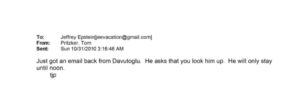
The most pointed part of his address focused squarely on the Epstein-related claims. Davutoğlu delivered an emotional and direct rejection of the allegations, stating:
“God is my witness, I am not afraid of you, just as we were not afraid of Israel. O holders of power, did we not fight this struggle together? Why do you not step forward and say, ‘He was our Foreign Minister, why are you attacking him?’ Was I not your Foreign Minister? Did you not applaud me for minutes in this very Parliament? Where are you now? Into which corner have you retreated? Why do you not speak the truth and stand for what is right? While the whole world attacks us, while every kind of slander is thrown to associate my name with that immoral file, where are you? Behind closed doors you say, ‘Sir, things are not going well; it was not like this when you left.’ Come out and speak. If you are Muslim, speak. If you are Turkish or Kurdish, speak. If you are human, speak — and say, ‘This Foreign Minister was our Foreign Minister; with his morality, faith and conviction, he was not in the Epstein file and will not be.’”
Davutoğlu framed the issue of his name appearing in the Epstein files not only as a political attack but as a moral test for his former allies.
Positioning the Allegations as Defamation
Davutoğlu described attempts to link him to the Epstein documents as slander designed to damage his reputation. He suggested that references to his diplomatic engagements during his tenure in the foreign ministry are being distorted.
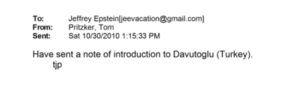
The former prime minister and foreign minister also recalled his role during the Mavi Marmara crisis and Turkey’s policies toward Israel, arguing that his record demonstrates independence and firmness in foreign affairs. By invoking these past positions, Davutoğlu sought to contrast his public diplomatic history with what he described as baseless insinuations.
He concluded his remarks on the issue by declaring: “We will tear down the world they have built on lies and slander. We will continue our struggle on a new path.”
A Political and Moral Challenge
Davutoğlu’s speech combined economic critique, institutional concerns, and a forceful denial of alleged ties to the Epstein files. By demanding public defense from former colleagues and framing silence as complicity, he escalated the political tone surrounding the allegations.
His remarks underscore how references to the Epstein files have now entered domestic political debate in Turkey. While Davutoğlu categorically denies any connection, the controversy has added a new dimension to the country’s already polarized political climate.
Whether the allegations gain further traction or fade remains to be seen. For now, Davutoğlu has made his position unequivocal: he rejects any affiliation with the Epstein files and calls on former allies to publicly affirm that stance.