



UNESCO-Listed Ephesus Faces Backlash Over Massive Construction Project
 ephesus-library
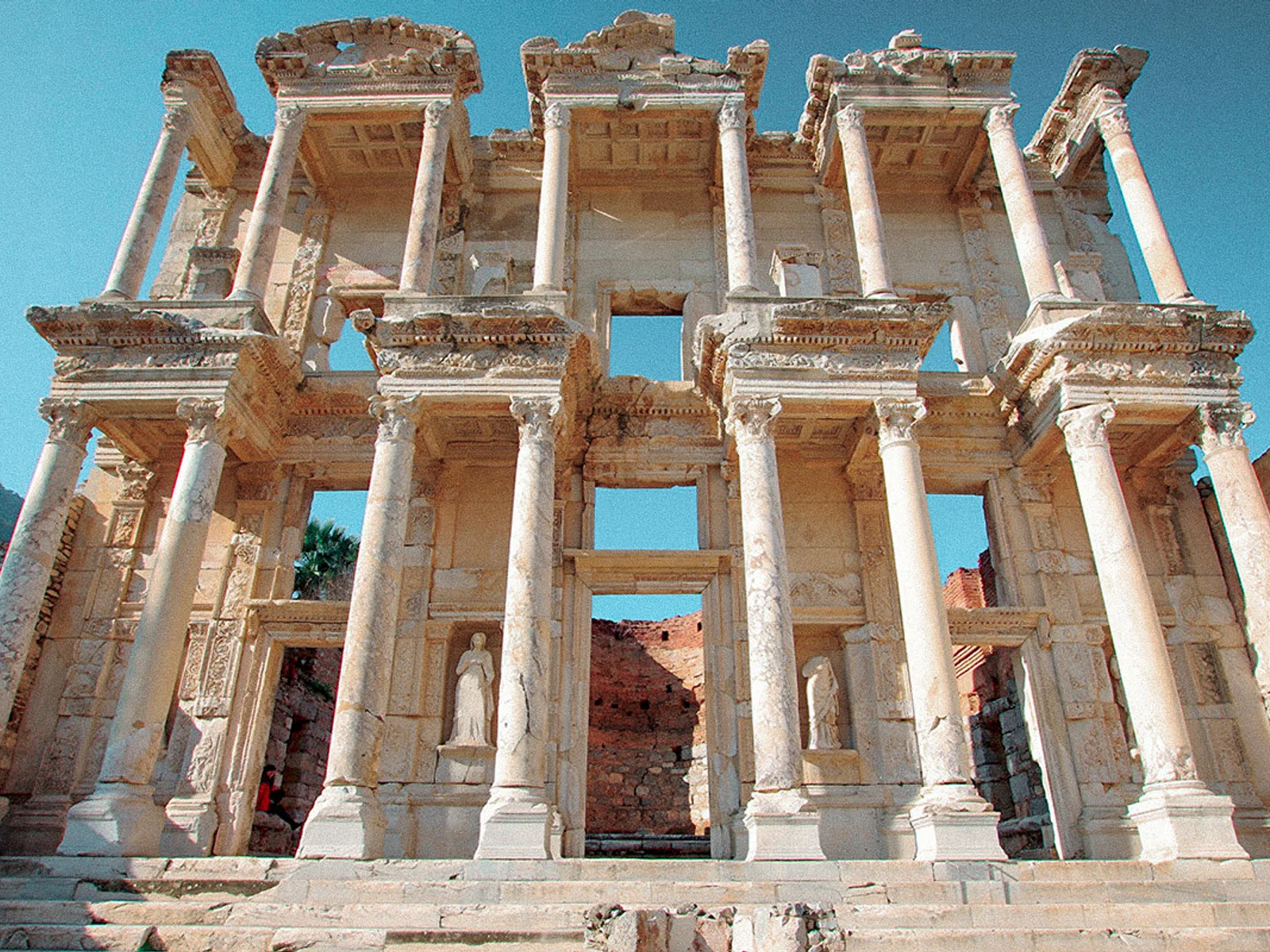
A large-scale construction project unfolding near the UNESCO World Heritage Site of Ephesus has sparked growing concern among archaeologists, heritage experts, and tourism professionals, raising urgent questions about cultural preservation, legal compliance, and transparency. The project, covering approximately 130,000 square meters, is being carried out near one of the world’s most significant ancient cities, prompting warnings that irreversible damage to archaeological remains may already be underway.
Archaeologists Warn of Serious Cultural Heritage Risks
At the center of the controversy is the claim that the construction zone contains undiscovered or partially identified ancient structures. Archaeologist Yusuf Yavaş, who has conducted long-term research in the region, stated that surveys conducted in 2013 revealed evidence of temple and church remains in the area now under excavation. According to Yavaş, continuing earthworks pose a direct threat to these cultural layers.
Yavaş emphasized that the public has not been adequately informed about the project’s scope or the permissions granted. He argued that such a large intervention in a protected area demands full transparency, particularly given Ephesus’s international heritage status.
Speaking from personal and professional experience, Yavaş said:
“Selçuk’ta doğmuş, Efes için arkeoloji okumuş bir arkeoloğum. Efes ve ticaret ile hiçbir ilgim yok. Türkiye’de turizm doğal ve kültürel varlıklarımızı yutmuştur. Kültür ve Turizm Bakanlığı acilen ayrılmalıdır. Yapılan inşaatın yeri yanlıştır. 2863 sayılı yasaya, imar planlarına, Unesco’ya sunulan Efes alan yönetim planına aykırıdır. Doğru yere en güzel şekilde yapılmalı. Efes’in doğal ve kültürel peyzajını bozmamalı. Efes Alan Yönetimi, Yönetim ve Danışma Kurulları acil olarak toplanmalı.”
Political Questions, Official Silence
Concerns have also reached the political arena. Deniz Yücel, CHP Party Assembly member and İzmir deputy, submitted a parliamentary question to Culture and Tourism Minister Mehmet Nuri Ersoy, requesting clarification on the project’s legal basis, approval mechanisms, and potential risks to heritage. Despite these formal inquiries, the Ministry has not yet issued a public response, further intensifying criticism.
The absence of an official explanation has fueled speculation about whether required heritage protection procedures were followed, particularly those mandated under Turkish law and UNESCO guidelines.
Tourism Pressure and Infrastructure Debate
A professional tour guide who frequently works in Ephesus, speaking anonymously, provided additional context. According to the guide, Ephesus holds exceptional religious significance, particularly for Catholics. It is widely believed to be the final home of the Virgin Mary, while Saint Paul spent years there spreading Christianity, and Saint John—one of the authors of the Gospel—lived and was buried in the region.
The guide also noted that one of the Seven Churches mentioned in the Book of Revelation is located in Ephesus, making it a key pilgrimage destination. Recent geopolitical conflicts, particularly in Israel and Gaza, have diverted cruise tourism away from traditional routes such as Jerusalem toward Kuşadası and Ephesus. This shift has dramatically increased cruise traffic, overwhelming existing parking infrastructure and causing kilometers-long bus queues near the site’s lower gate.
However, the guide cautioned against reducing the issue to tourism logistics alone, noting that the construction area lies within a protected archaeological zone, where ancient remains were documented in 2013. From this perspective, prioritizing convenience over conservation risks long-term damage to a site of global value.
High Fees and a Question of Location
The controversy also touches on economic dimensions. The Culture and Tourism Ministry previously assumed responsibility for parking operations from the Selçuk Municipality. Land near the lower gate of Ephesus—formerly a peach orchard—was expropriated to build a massive parking area capable of accommodating thousands of buses. Parking fees reportedly reached 1,000 TL per bus last year, turning the site into a significant revenue source.
While critics acknowledge the need for visitor facilities, many argue that the project’s scale and location are fundamentally flawed, particularly given the sensitivity of the surrounding archaeological landscape.
UNESCO Obligations and Legal Red Flags
The Turkey Archaeologists’ Association and heritage monitoring groups have raised pointed questions about compliance with international and national frameworks. Ephesus was added to the UNESCO World Heritage List in 2015, which imposes strict obligations, including consultation with management and advisory boards and alignment with the site’s officially approved Area Management Plan.
Experts are asking whether the project was formally submitted to UNESCO bodies for review and whether the findings of earlier geophysical and ground-penetrating radar surveys were adequately considered. These surveys reportedly indicated the possible presence of a church and a temple between the Vedius Gymnasium and the Selçuk–Kuşadası highway.
“Historic Remains Are Present in the Area”
Archaeologist Nezih Başgelen, director of the Cultural and Natural Heritage Monitoring Platform, underlined that Ephesus is not only a tourism icon but one of antiquity’s most important political, economic, and religious centers. Research has shown continuous settlement from the Neolithic period, with the city reaching its zenith in the 2nd century AD, when it was known across the Roman world as “lumen Asiae” (the Light of Asia).
Başgelen warned that ongoing excavation, filling, ground leveling, and infrastructure works appear to exceed the limits set by conservation board decisions. He stressed that such interventions risk damaging archaeological layers and undermining UNESCO principles of authenticity and integrity. Plans to asphalt tens of thousands of square meters within a heritage zone, he argued, conflict with Law No. 2863 and cannot be justified on public-interest grounds.
A Call for Transparency and Reconsideration
Across statements from archaeologists, guides, and heritage organizations, a common message emerges: Ephesus undeniably needs visitor facilities, but where and how they are built matters profoundly. Critics warn that tourism-driven projects, if rushed or poorly sited, can permanently erode cultural and natural heritage.
Calls are growing for the immediate suspension of excavation, full disclosure of survey data, and a reassessment of the project through proper heritage governance mechanisms. For many experts, the Ephesus case has become a defining test of whether cultural preservation or short-term tourism priorities will prevail.