Mehmet Şimşek Says Turkey’s Economy Is More Balanced And Resilient
 mehmet-simsek
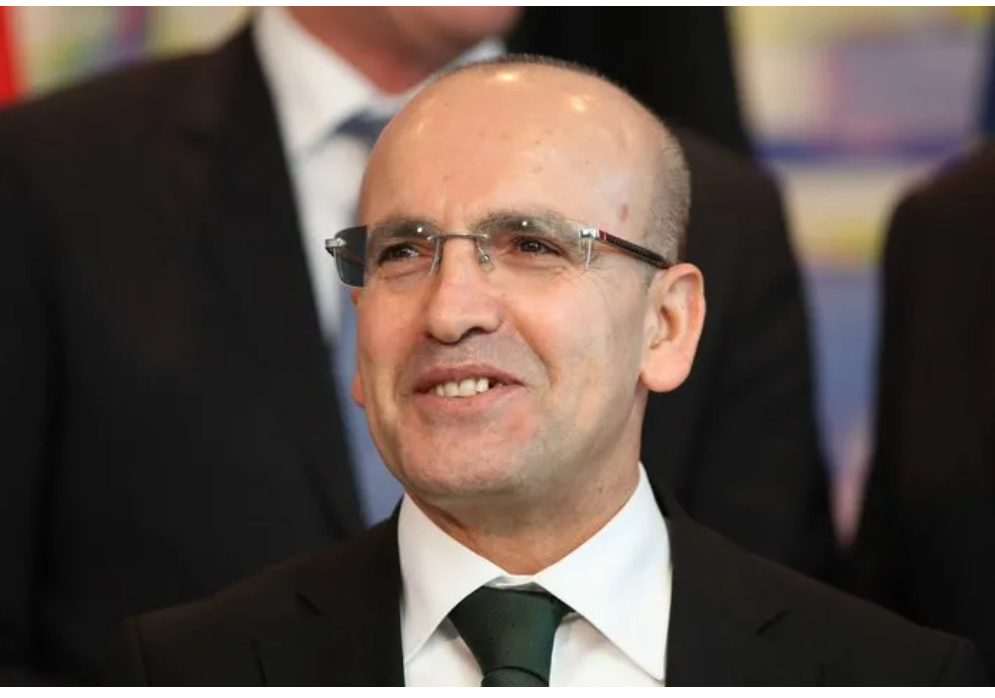
Speaking at the AlUla Conference in Saudi Arabia, Turkey’s Minister of Treasury and Finance Mehmet Şimşek said the global economy has moved beyond one of its most difficult and uncertainty-filled periods, while Turkey has emerged with a more balanced and resilient economic structure. According to Şimşek, recent policy adjustments have significantly reduced macroeconomic vulnerabilities and strengthened the country’s overall outlook.
Şimşek’s remarks came during a session focused on global economic trends, capital flows, and emerging market resilience. Addressing an international audience, he emphasized that Turkey’s economic rebalancing is delivering tangible results, particularly in stability and sustainability.
Reduced Vulnerabilities and a More Balanced Growth Path
According to Dünya’s reporting, Şimşek stated that Turkey’s growth and trade performance now show a more balanced composition than in previous years. He noted that economic expansion is no longer driven by excessive internal imbalances and that key risk indicators have shown meaningful improvement.
“The Turkish economy is now more balanced and more resilient. Vulnerabilities have declined significantly,” Şimşek said, underscoring that the normalization process has helped restore confidence among global investors and financial institutions.
He added that maintaining discipline in macroeconomic policies remains essential to preserving these gains, particularly in an international environment where geopolitical and financial risks continue to shape capital flows.
Foreign Direct Investment as a Strategic Anchor
Şimşek placed special emphasis on the role of foreign direct investment (FDI), describing it as a critical pillar of Turkey’s economic strategy. He stressed that FDI contributes far beyond financing needs, playing a key role in technology transfer, productivity gains, and knowledge sharing.
“Foreign direct investment is not only a source of funding. It also brings technology, know-how, and long-term partnerships, which are essential for sustainable growth,” Şimşek said.
He noted that FDI can function as a stabilizing anchor during periods of global volatility, helping economies maintain investment momentum even when financial conditions tighten.
Export Structure Highlights the Role of Global Investors
Providing insight into Turkey’s export composition, Şimşek revealed that approximately 62 percent of the country’s exports are generated by companies with foreign direct investment. This figure, he said, demonstrates the depth of integration between Turkey’s production base and global value chains.
Despite rising protectionist tendencies in global trade, Şimşek noted that Turkey’s services exports have not yet been adversely affected. He suggested that the country’s diversified services sector provides an important buffer against trade fragmentation.
Strong Position in Global Services Trade
Şimşek also highlighted Turkey’s performance in commercial services, stating that the country ranks among the world’s top 20 nations in this area. He attributed this strength to a combination of competitive human capital, geographic advantages, and expanding digital capabilities.
“Turkey has built a strong position in commercial services trade, which supports economic diversification and resilience,” he said.
According to Şimşek, continued investment in services, alongside manufacturing and high-value exports, will be key to sustaining balanced growth over the medium term.
Navigating a Shifting Global Environment
Reflecting on broader global trends, Şimşek noted that while uncertainty has eased compared with previous years, risks remain elevated due to geopolitical tensions, tighter financial conditions, and structural changes in global trade. In this context, he argued that economies with diversified export bases and strong investment frameworks are better positioned to absorb external shocks.
Turkey’s recent policy direction, he said, aims to reinforce exactly these strengths by prioritizing stability, openness to investment, and integration with global markets.