What Türkiye’s Chevron Pact Signals About Its Long-Term Energy Strategy
 chevron
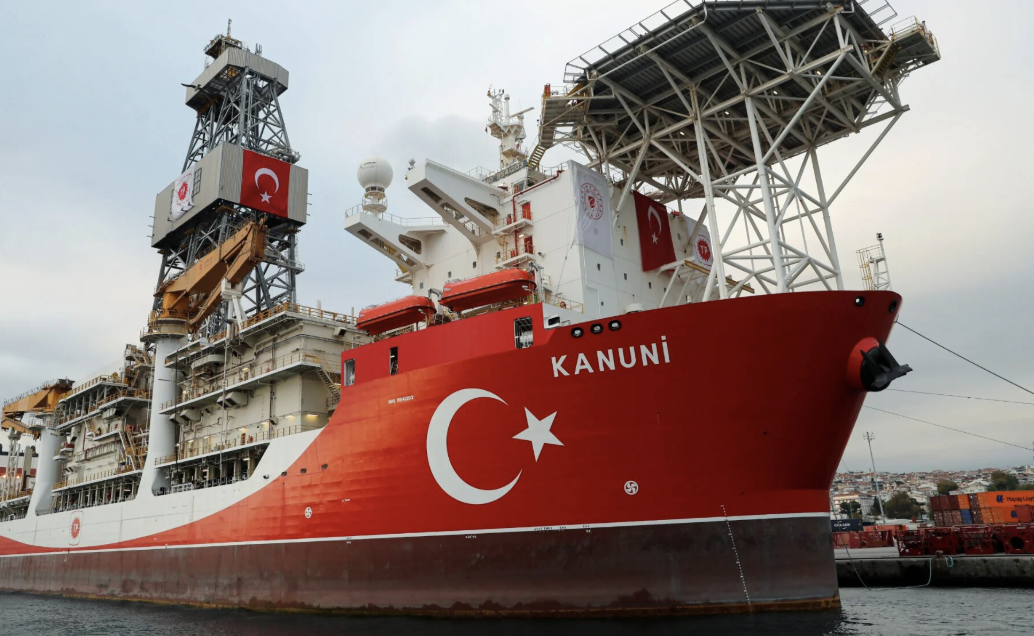
Türkiye is quietly reshaping its energy strategy — not through a single headline-grabbing discovery, but by steadily building a network of partnerships that expand its technical capacity, international reach, and long-term energy security. The latest example is a memorandum of understanding (MoU) signed between Türkiye’s national oil company TPAO and US energy giant Chevron.
Türkiye is rethinking not only how it produces energy, but how it positions itself within the global energy system. That shift became clearer with the announcement that Turkish Petroleum (TPAO) and Chevron have signed an MoU to evaluate potential cooperation in oil and natural gas exploration and production.
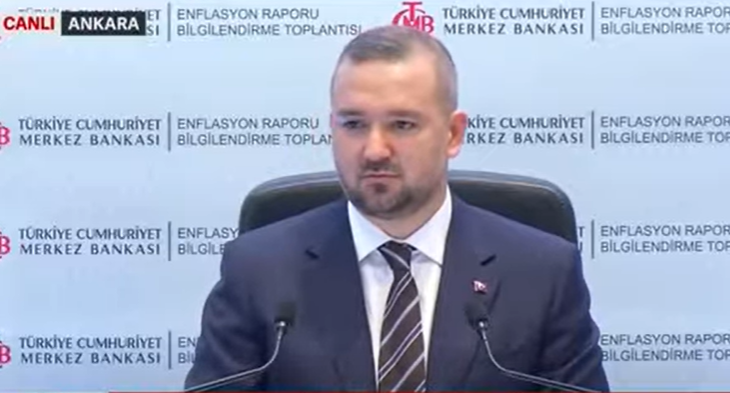
The agreement, announced by Energy and Natural Resources Minister Alparslan Bayraktar, does not authorize drilling or commit either side to a specific investment. Its importance lies elsewhere: it reflects a deliberate, long-term strategy to turn TPAO into a globally active upstream company while strengthening Türkiye’s energy security.
Rather than betting on a single project or partner, Ankara is building a flexible portfolio of options. The goal is threefold: reduce import dependence, upgrade technical and industrial know-how, and raise Türkiye’s profile in global energy markets. In this sense, the Chevron agreement is more about direction and credibility than immediate output.
What an MoU Actually Means
In the energy sector, MoUs are often misunderstood. They are neither empty symbolism nor firm investment commitments. Instead, they serve as structured starting points — frameworks that allow companies to share data, evaluate geological prospects, and assess commercial feasibility before taking on financial risk.
For oil and gas projects, this early evaluation phase is essential. Drilling is expensive, geology is uncertain, and long timelines are unavoidable. Only after technical studies and economic analysis would companies consider binding agreements.
Many MoUs never progress to production, and that is not unusual. What matters here is that Chevron — one of the world’s largest and most experienced energy companies — sees Türkiye’s upstream potential as worth serious attention. In an industry where time and expertise are scarce resources, that signal alone carries weight.
Why Chevron, and Why Now
Chevron’s global footprint spans conventional oil and gas, deepwater projects, and liquefied natural gas. Its decision to engage with TPAO reflects several converging factors: Türkiye’s growing energy demand, its strategic location at the crossroads of Europe and regional energy corridors, and its renewed focus on domestic production.
The timing also matters. Despite rapid growth in renewables, oil and gas remain central to the global energy mix. At the same time, investment has become more selective, with greater emphasis on cost control, execution speed, and political stability. Partnerships help manage these risks by sharing expertise and capital.
From Ankara’s perspective, global price volatility and geopolitical disruptions have made energy security a strategic priority. International partners offer advanced technology and operational experience that can shorten learning curves and reduce execution risk.
Domestic Focus: Southeast Türkiye and the Black Sea
Bayraktar’s reference to southeastern Türkiye — particularly the Gabar region — and the Black Sea anchors the agreement in concrete priorities.
Domestic oil production in the southeast has become an important pillar of Türkiye’s energy narrative, easing pressure on imports and the balance of payments. International cooperation can help improve recovery techniques and operational efficiency.
The Black Sea, meanwhile, sits at the heart of Türkiye’s long-term natural gas ambitions. Offshore projects are among the most technically demanding in the energy industry. By keeping the door open to international cooperation, Türkiye signals that it is focused on building lasting technical capability, not just short-term gains.
TPAO’s International Ambitions
Perhaps the most revealing aspect of the announcement is the emphasis on projects “on an international scale.” This points to a broader shift in Türkiye’s energy diplomacy.
Moving into overseas upstream investments would mark a transition from being primarily a transit country to becoming an equity producer with assets abroad. Such a model offers diversification, learning across different geological basins, and deeper integration into global energy markets.
Bayraktar’s reference to an aspirational production target of 1 million barrels per day should be read as a strategic benchmark, not a near-term forecast. Reaching that scale would require sustained investment, regulatory stability, and a highly skilled workforce — all of which justify long-term partnerships like those with Chevron.
Part of a Broader Pattern
The Chevron MoU follows an earlier agreement between TPAO and ExxonMobil affiliate ESSO Exploration International, covering exploration opportunities in the Black Sea and beyond. Together, these deals suggest a conscious strategy of partner diversification.
By engaging multiple global players, Türkiye reduces reliance on any single partner while expanding access to different technologies and operational models. It also signals that Türkiye aims to be seen as a structured, credible, and open partner in upstream energy development.
A Strategic Signal, Not a Short-Term Bet
Turning MoUs into producing assets is never guaranteed. Success will depend on geology, economics, governance, and execution. But viewed through a long-term lens, the Chevron agreement is significant for what it reveals about Türkiye’s trajectory.
Rather than treating energy as a short-term fix, Ankara is building a platform — anchored at home, connected abroad, and designed to grow over time. Whether or not this specific MoU leads to drilling, the direction is clear: Türkiye is positioning itself to play a more confident and integrated role in the global energy landscape.
Source: The Caspian Post
PA Turkey intends to inform Turkey watchers with diverse views and opinions. Articles on our website may not necessarily represent the view of our editorial board or count as endorsement.
Follow our English YouTube channel (REAL TURKEY):
https://www.youtube.com/channel/UCKpFJB4GFiNkhmpVZQ_d9Rg
Twitter: @AtillaEng
Facebook: Real Turkey Channel: https://www.facebook.com/realturkeychannel/