Voters Push for Early Elections as AKP Signals 2027–2029 Timeline
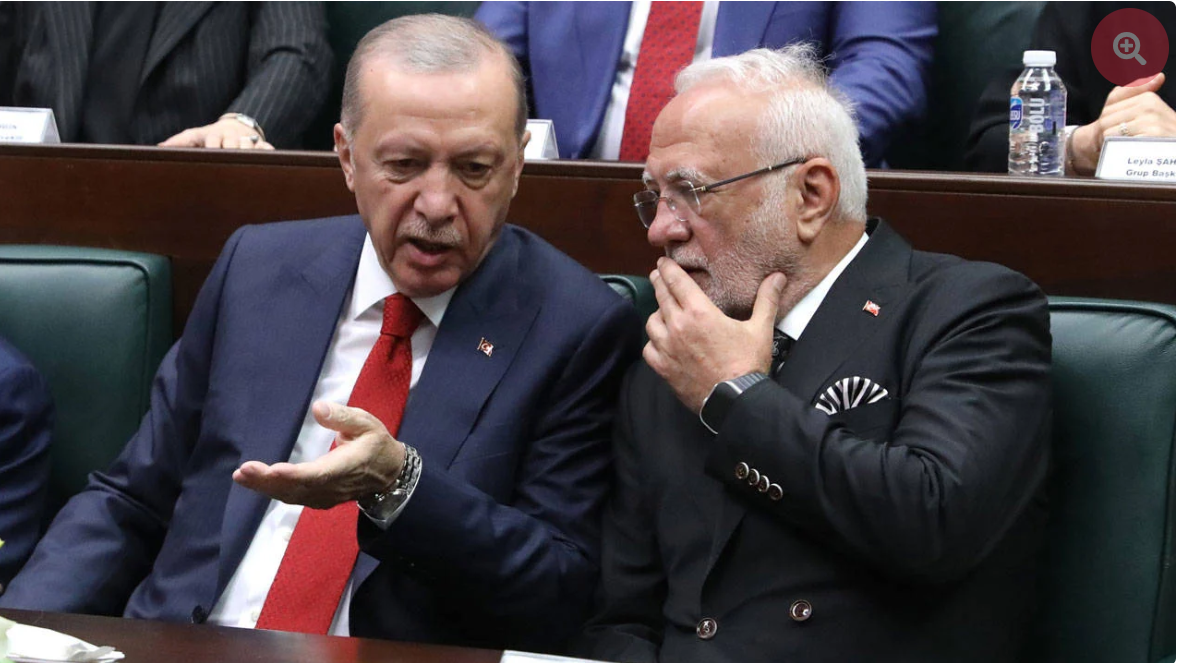 elitas
Public demand for early elections in Türkiye is rising sharply, according to multiple opinion polls, even as senior figures from the ruling Justice and Development Party (AKP) signal that any vote would likely be delayed until late 2027 or later. The widening gap between voter sentiment and the government’s stance has intensified political tensions, particularly between the AKP and the main opposition Republican People’s Party (CHP).
AKP Signals No Immediate Early Election
Speaking at the Anatolian Conversations program hosted by the Türkiye Press Federation, AKP Deputy Chairman Mustafa Elitaş addressed growing public debate over early elections, offering the clearest indication yet of the ruling party’s preferred timeline.
Elitaş stressed that election procedures and timing are clearly defined under the Constitution, adding that autumn remains the most suitable season for holding nationwide votes.
“October and November provide the best conditions for both local and general elections,” Elitaş said. “If elections were to be brought forward, the most appropriate time would be November. That could mean November 2027 for a general election, November 2028 for local elections, or even November 2029.”
Elitaş underlined that his assessment was based on personal political experience, noting that he has participated in 25 elections. His remarks suggest that while the AKP is not ruling out adjusting the schedule, it sees no justification for an early vote in the near term.
Bahçeli’s Remarks and the ‘Right to Hope’ Debate
Elitaş also commented on statements by Nationalist Movement Party (MHP) leader Devlet Bahçeli regarding the so-called “right to hope,” a legal concept linked to life sentences and conditional release.
According to Elitaş, the issue is currently under review by parliamentary commissions and will be addressed collectively once a final report is completed.
“When the report is finalized, the AKP’s position—along with those of other parties—will be included,” he said. “After that, the matter will be discussed publicly, and I hope a broadly acceptable outcome will emerge.”
Elitaş added that the parliamentary National Solidarity, Brotherhood, and Democracy Commission was expected to fulfill its mandate, particularly on issues related to terrorism and social reconciliation.
Sharp Response to CHP Leader Özgür Özel
Elitaş reserved his strongest remarks for CHP leader Özgür Özel, who has repeatedly called for early elections in response to economic hardship and democratic backsliding.
Questioning Özel’s sincerity, Elitaş argued that the opposition leader lacked political independence.
“I do not believe Mr. Özel genuinely supports early elections,” Elitaş said. “He needs to demonstrate political maturity and independence. Weekly routine meetings limit his ability to produce statements with real political consequences.”
Elitaş went on to suggest that Özel was operating under constraints imposed by others within the opposition, adding that calls for “snap” or “early” elections were essentially the same thing—elections brought forward from their scheduled date.
Erdoğan and Bahçeli Reject Early Election Calls
The AKP’s position has been echoed by President Recep Tayyip Erdoğan, who has repeatedly stated that there will be no early elections in 2026. Erdoğan’s stance was reinforced by Bahçeli, who recently described calls for early elections as “political foolishness.”
Bahçeli directly targeted Özel during a parliamentary group meeting, accusing the CHP of attempting to destabilize the political system rather than offering constructive policy alternatives.
Together, Erdoğan and Bahçeli’s statements signal strong resistance within the ruling alliance to any deviation from the current electoral calendar.
Polls Show Strong Public Demand for Early Elections
Despite government assurances, opinion polls paint a markedly different picture. According to a recent survey conducted by ASAL Research, 54.4% of respondents said they support holding early general elections.
Only 38% opposed the idea, while 7.6% said they were undecided or declined to express an opinion. The results suggest that public support for an early vote has crossed a symbolic threshold, placing increased pressure on the government.
Polling data released earlier by SONAR Research also point in the same direction. SONAR Chairman Hakan Bayrakçı said demand for early elections has exceeded 60%—a level he described as historically rare.
“In my 35 years in this field, it has been extremely uncommon for early election demand to exceed 50%,” Bayrakçı said. “This is the highest level we have seen in the last 20 to 30 years, and it is alarming for those in power.”
Economic Pressures Drive Voter Discontent
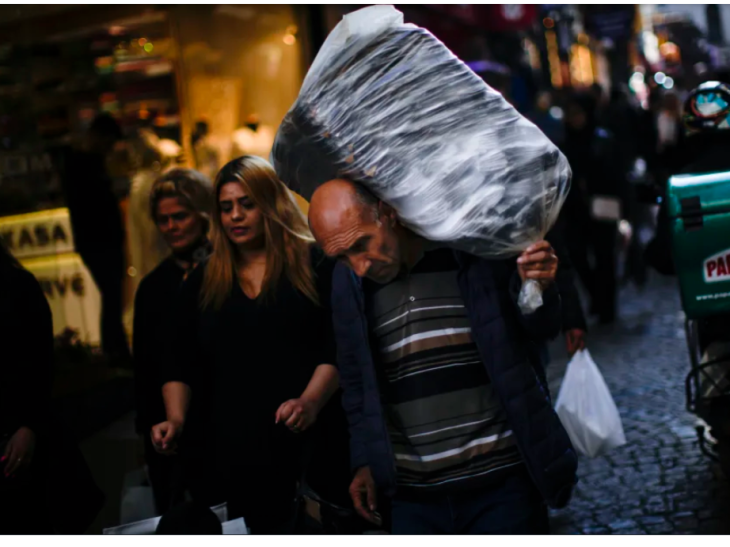
Bayrakçı said economic hardship remains the single most important factor shaping voter behavior. He argued that official inflation figures fail to reflect the lived reality of households facing steep price increases.
“Regardless of the official inflation rate, citizens know exactly how much more they are paying compared to last year,” he said. “That gap is wearing voters down.”
According to SONAR’s findings, dissatisfaction is particularly acute among minimum wage earners and retirees. Bayrakçı noted that 87% of respondents consider the minimum wage insufficient, while recipients of the lowest pension payments report similar levels of financial stress.
Rising living costs, stagnant incomes, and declining purchasing power have combined to fuel frustration across broad segments of society, reinforcing calls for a return to the ballot box.
Growing Gap Between Government and Electorate
The contrast between the AKP’s long-term electoral planning and the electorate’s growing impatience highlights a widening disconnect in Turkish politics. While the ruling alliance insists that stability requires adherence to the existing timetable, opposition parties argue that democratic legitimacy depends on responding to public demand.
For now, the government appears determined to hold the line. But with early election support reaching levels described by pollsters as unprecedented, pressure on Ankara is likely to intensify as economic strains persist and political rhetoric escalates.