EU Moves to Rebuild Ties With Turkey as Ukraine War Reshapes Regional Security
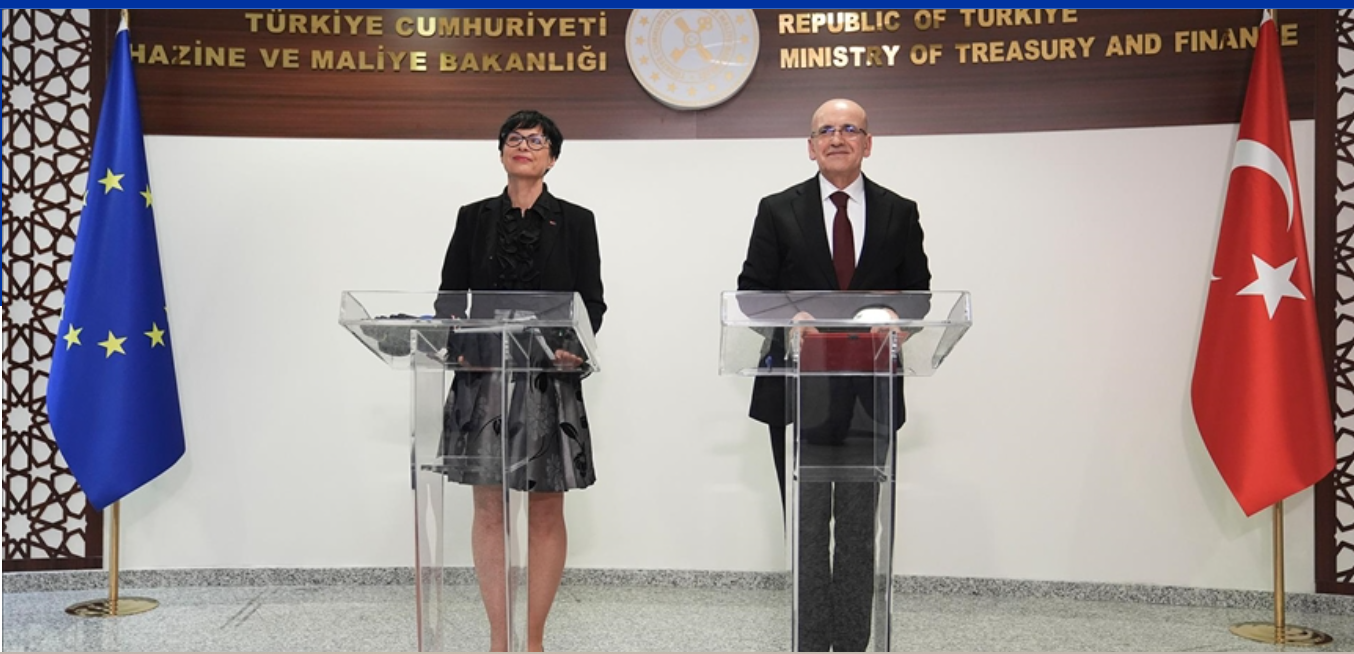 simsek kos ab
The European Union is seeking to re-engage Turkey as a strategic partner as negotiations over a possible peace settlement in Ukraine gather momentum. While long-standing disputes over democracy, visas and the Customs Union continue to block deeper integration, both sides are taking cautious steps toward rebuilding trust, driven by shared security interests in the Black Sea and shifting geopolitical realities.
From “Problem” to Strategic Partner
After years of strained relations, the European Union is reassessing its approach to Turkey, increasingly viewing Ankara as part of the solution rather than the problem — particularly as Europe looks ahead to a post-war security architecture in Ukraine.
According to a report by POLITICO, Turkey’s potential role as a peacekeeper in Ukraine and a powerbroker in the Black Sea has elevated its strategic importance for Brussels. The shift comes despite continued EU concerns over democratic backsliding under President Recep Tayyip Erdoğan, including the jailing of high-profile opposition figures.
EU Enlargement Commissioner Marta Kos is set to visit Ankara as part of efforts to thaw relations. Ahead of the visit, Kos said that peace in Ukraine would fundamentally reshape Europe’s security environment.
“Peace in Ukraine will change the realities in Europe, especially in the Black Sea region. Türkiye will be a very important partner for us,” she said, adding that preparing for stability in Europe requires “a strong partnership with Türkiye.”
Turkey’s Military and Strategic Weight
Turkey remains a military heavyweight, with NATO’s second-largest armed forces and a strategic footprint spanning the Black Sea, the Mediterranean and the Middle East. Ankara controls access to the Bosphorus, a critical chokepoint for maritime security, and played a central role in brokering the Black Sea grain deal in 2022 that enabled Ukrainian exports.
The country of 88 million has also signaled willingness to contribute peacekeeping troops to Ukraine if a settlement with Russia is reached, positioning itself as a key guarantor of regional security.
Democracy Concerns Still Block Progress
Despite renewed engagement, EU-Turkey relations remain burdened by political tensions. Although Turkey is officially an EU candidate country, accession talks have been frozen since 2018.
“In the latest EU enlargement reports we have seen steps away from EU standards, especially on the rule of law and democracy,” Kos said, while stressing Turkey’s long democratic tradition and vibrant civil society as foundations for rebuilding trust.
The arrest of Istanbul Mayor Ekrem İmamoğlu last year — which triggered mass protests and international criticism — continues to weigh heavily on relations.
Symbolic Steps: EIB Lending and Connectivity Plans
As a confidence-building measure, Kos will attend a signing ceremony in Ankara where the European Investment Bank will approve €200 million in loans for renewable energy projects in Turkey. The EIB had suspended new lending in 2019 amid disputes over offshore drilling near Cyprus.
The European Commission will also publish a study on advancing cross-regional connectivity between Turkey, Central Europe and the South Caucasus. The report outlines investment needs along the Trans-Caspian Corridor, linking China, Central Asia, the Caucasus and the Black Sea through transport, trade, energy and digital infrastructure.
Customs Union Remains the Core Dispute
While welcomed by Ankara, these steps fall short of Turkey’s main demand: modernising the EU-Turkey Customs Union, in force since 1995.
New EU trade agreements with India and the Mercosur bloc risk putting Turkey at a disadvantage, as Ankara would be required to grant tariff-free access without receiving reciprocal benefits.
Even from prison, İmamoğlu has urged EU leaders — including Commission President Ursula von der Leyen — to update the Customs Union, calling it the “only rules-based framework” underpinning EU-Turkey relations.
Greek and Cypriot Resistance
Any move to modernise the Customs Union requires unanimous approval from EU member states, with Greece and Cyprus opposing closer ties without concessions from Ankara.
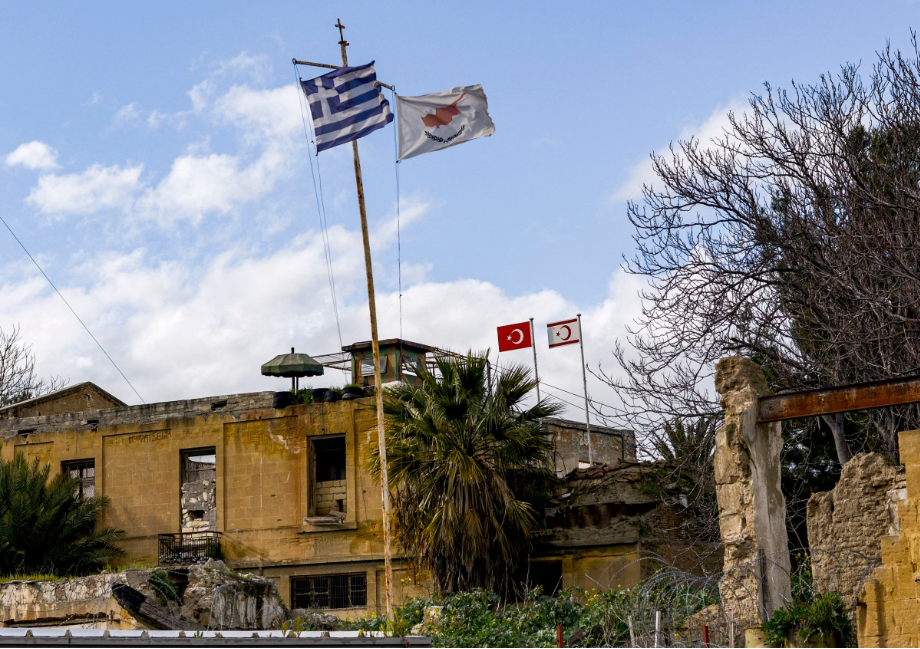
Cyprus, which Turkey does not recognize following the island’s 1974 division, wants Turkish ports opened to Cypriot-flagged ships. Ankara rejected a proposal last year linking port access to easier EU visa rules for Turkish businesspeople.
Cyprus’ deputy minister for European affairs, Marilena Raouna, said Nicosia remained constructive but expected reciprocal engagement from Turkey.
Simsek Reaffirms EU Membership Goal
Turkey has signaled renewed political commitment to Europe. Finance Minister Mehmet Şimşek said EU membership remains Turkey’s “strategic objective,” describing Europe as both an economic and political partner.
“The world is undergoing a profound transformation. In this period, closer cooperation between Turkey and the EU is no longer a choice, but a necessity,” Şimşek said, welcoming the EIB’s return as a “turning point” for broader cooperation in green transition, connectivity and resilience.
Şimşek also argued that the existing Customs Union is outdated, noting that it excludes services, agriculture and public procurement despite Turkey being the EU’s fifth-largest trading partner.
A Roadmap, Not Accession Talks
Kos said technical teams from Brussels and Ankara would begin bi-weekly meetings next month to produce a comprehensive impact assessment by the end of 2026 — a “roadmap” phase toward potential Customs Union modernisation.
However, she cautioned that reopening EU accession chapters is not yet on the agenda.
“We need to look with fresh eyes at our relations,” Kos said, describing her visit as an effort to rebuild trust and make economic ties work better for both sides.
A Transactional Reset
Analysts say U.S. President Donald Trump’s reshaping of global trade and security relationships may further push Europe and Turkey toward pragmatic cooperation.
Turkey’s ambassador to the EU, Yaprak Balkan, said Ankara remains committed to EU accession, but emphasized mutual interests as the foundation for stronger ties.
For now, EU-Turkey relations appear headed toward a cautious, transactional reset — driven less by ideals of enlargement and more by hard security, trade and geopolitical realities shaped by the war in Ukraine.
Politico, AA, PA Turkey Staff
PA Turkey intends to inform Turkey watchers with diverse views and opinions. Articles in our website may not necessarily represent the view of our editorial board or count as endorsement.
Follow our English YouTube channel (REAL TURKEY): https://www.youtube.com/channel/UCKpFJB4GFiNkhmpVZQ_d9Rg
Twitter: @AtillaEng
Facebook: Real Turkey Channel: https://www.facebook.com/realturkeychannel/