



Saudi Arabia’s $2 Billion Solar Bet Signals New Era in Turkey’s Clean Energy Push
 solar-energy-plant
Saudi Arabia has taken a major step toward deepening its economic and strategic partnership with Turkey by committing $2 billion to Turkey’s renewable energy sector, marking one of the largest foreign investments ever made in the country’s solar power industry. Finalized in February 2026 during Turkish President Recep Tayyip Erdoğan’s official visit to Riyadh, the agreement underscores a growing alignment between the two nations around clean energy, long-term investment, and regional energy security.
The deal represents more than a single transaction. It signals a structural shift in Turkey’s renewable energy strategy, driven by foreign direct investment and international financing rather than public spending, while positioning Saudi Arabia as a key external partner in Turkey’s energy transition.
Two Major Solar Power Plants Planned in Central Anatolia
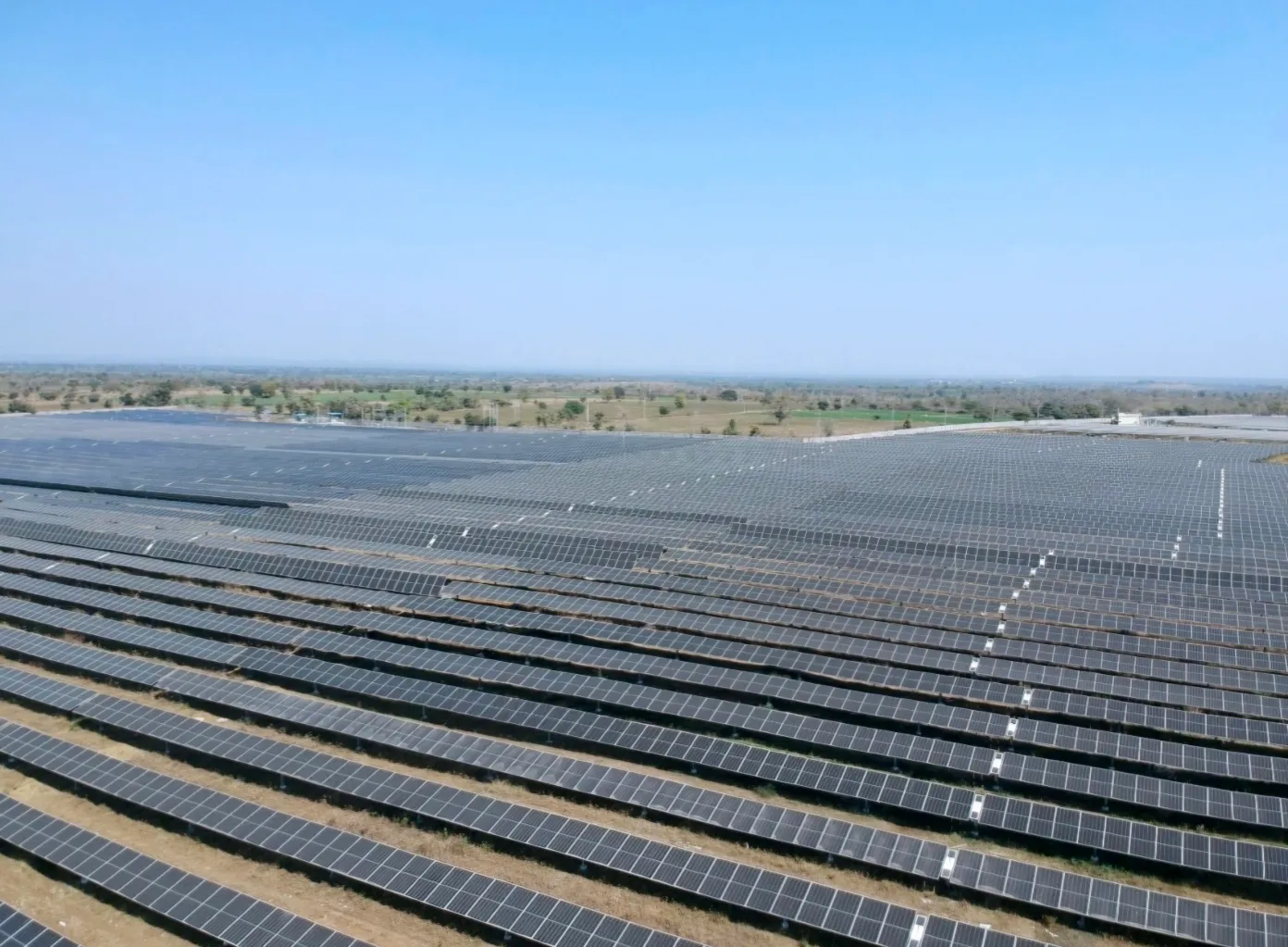
At the core of the agreement are plans to construct two large-scale solar power plants in the central Anatolian provinces of Sivas and Karaman. These locations were selected due to their high solar potential and strategic importance within Turkey’s electricity grid.
Turkey’s Minister of Energy and Natural Resources Alparslan Bayraktar confirmed that both projects will be developed entirely through foreign direct investment, supported by international credit and financing mechanisms. This structure is particularly significant, as it ensures that the projects will not place any direct burden on Turkey’s public finances, a key concern amid global economic volatility and rising infrastructure costs.
The financing model reflects Turkey’s broader approach to renewable energy growth: attracting long-term, large-scale foreign capital while maintaining fiscal discipline and reducing reliance on imported energy sources.
2,000 Megawatts in the First Phase, Millions of Homes Powered
In their initial phase, the two solar plants will deliver a combined installed capacity of 2,000 megawatts. Once operational, they are expected to generate enough electricity to supply approximately 2.1 million households across Turkey.
This level of output represents a substantial addition to Turkey’s clean energy mix. It will directly help reduce dependence on imported fossil fuels, lower carbon emissions, and strengthen domestic energy security. For a country that remains heavily reliant on energy imports, large-scale solar investments of this magnitude carry both economic and geopolitical importance.
By expanding domestic renewable generation, Turkey aims to stabilize energy costs over the long term while insulating itself from external supply shocks and price fluctuations in global energy markets.
Construction Timeline and Long-Term Purchase Guarantees
According to the agreement, construction is scheduled to begin in 2027. The first phase of development is expected to be completed by the end of that year, with full completion of both solar plants targeted for 2029.
A crucial element of the deal is the inclusion of 25-year electricity purchase guarantees provided by the Turkish government. These long-term guarantees are designed to reduce investor risk and ensure predictable returns, making the projects more attractive to international financiers.
Under the current terms, the guaranteed electricity purchase price is set at approximately $2.36 per kilowatt-hour for the Karaman plant and around €2.3415 per kilowatt-hour for the Sivas facility. These rates are considered competitive by global renewable energy standards and reflect Turkey’s effort to balance investor confidence with cost efficiency for the national grid.
Part of a Much Larger Renewable Energy Vision
The $2 billion investment is widely seen as the first phase of a broader renewable energy partnership between Turkey and Saudi Arabia. The projects are being developed in partnership with ACWA Power, a Saudi-based energy developer with a strong global footprint in renewable and conventional power generation.
Officials from both countries have indicated that the partnership could eventually expand Turkey’s installed renewable capacity by up to 5,000 megawatts, with total investments potentially reaching $5 billion in the coming years. If realized, this expansion would significantly accelerate Turkey’s progress toward its long-term energy targets.
Beyond solar power, discussions are also underway regarding regional electricity grid connectivity. Turkish officials believe that closer cooperation on grid integration could enhance energy security, improve system resilience, and support cross-border electricity trade across the wider region.
Strengthening the Grid to Support Renewable Growth
In parallel with foreign investment efforts, Turkey is investing heavily in its domestic infrastructure. The country is currently using $748 million in World Bank financing to modernize and strengthen its electricity transmission network.
This grid modernization is critical to accommodating large volumes of intermittent renewable energy, such as solar and wind. Without stronger transmission capacity and improved grid management, large-scale renewable projects risk underperforming or facing curtailment.
These investments align with Turkey’s long-term objective of reaching 120,000 megawatts of installed solar and wind capacity by 2035, a target that would place the country among the leading renewable energy producers in its region.