Early Election Fever Hits Turkey
 elections
Political tensions in Turkey are rising as new opinion polls show growing public demand for an early general election. Against a backdrop of economic strain and intensifying political rhetoric, survey results suggest that calls for an early vote are no longer marginal—they are becoming a mainstream expectation.
The majority says “Yes” to Early Elections
According to the latest poll released by ASAL Research, 54.4 percent of respondents support holding an early general election. In contrast, 38 percent oppose the idea, while 7.6 percent either expressed no opinion or declined to answer.
The survey, conducted in January 2026 with 2,000 participants, indicates that support for early elections clearly outweighs opposition. The findings indicate a notable shift in public sentiment, with more than half of the public openly calling for an earlier return to the ballot box.
“An Unseen Level of Demand”
The ASAL data aligns with recent remarks from SONAR Research Chairman Hakan Bayrakçı, who stated that early election demand in his surveys has surpassed 60 percent.
“This level of demand for an early election has never been seen before,” Bayrakçı said. “This is the highest early election demand of the past 20 to 30 years. I have been doing this job for 35 years, and it is extremely rare for the figure to exceed 50 percent.”
Bayrakçı described the trend as an alarming signal for those in power, suggesting that it reflects deep and persistent dissatisfaction rather than temporary political frustration.
The Economy as the Main Trigger
According to Bayrakçı, the primary driver behind the growing demand for early elections is economic hardship. He emphasized that voters are increasingly guided by their daily experiences rather than official data releases.
“No matter what the inflation figure is, citizens know the difference between what they bought last year and what they buy this year,” he said. “This situation seriously wears voters down.”
Bayrakçı noted that dissatisfaction is particularly severe among groups living on fixed incomes. Surveys show that 87 percent of minimum-wage earners consider their income insufficient, and retirees receiving the lowest pensions face similar difficulties.
This economic pressure, he argued, is steadily translating into political demand.
Bahçeli Draws a Hard Line
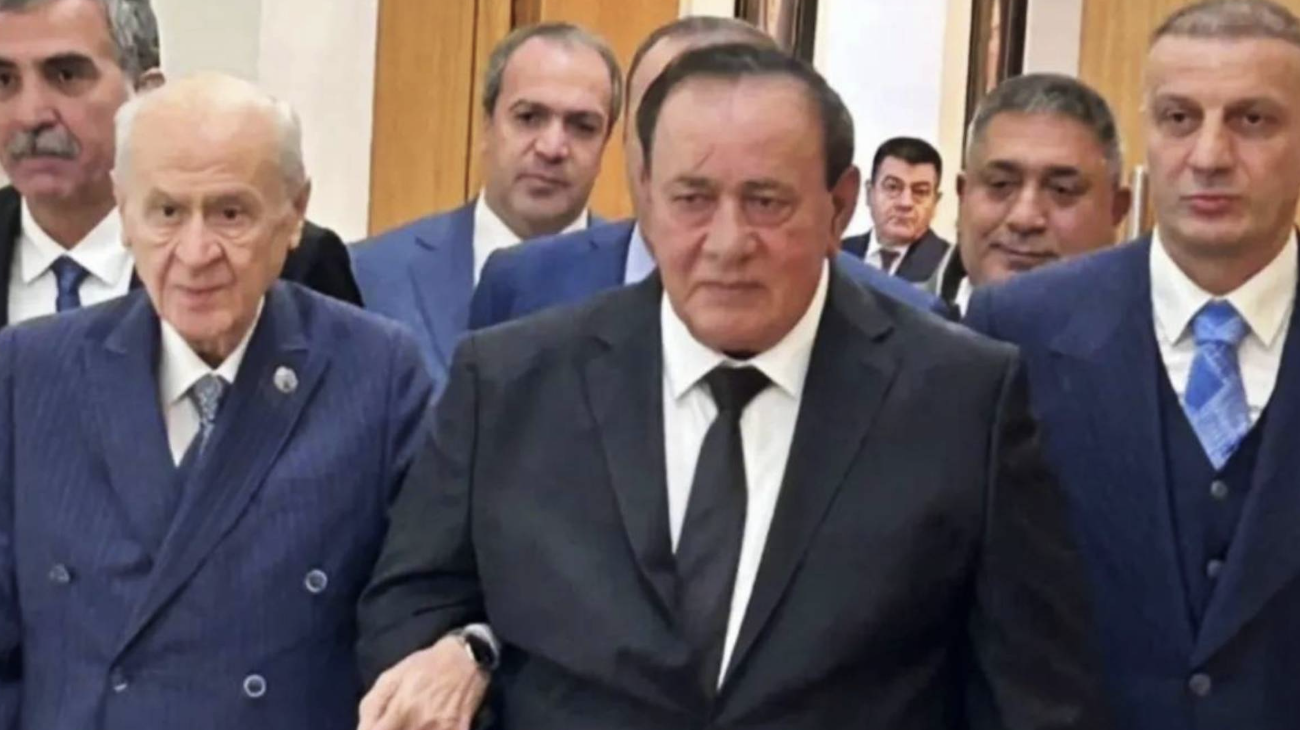
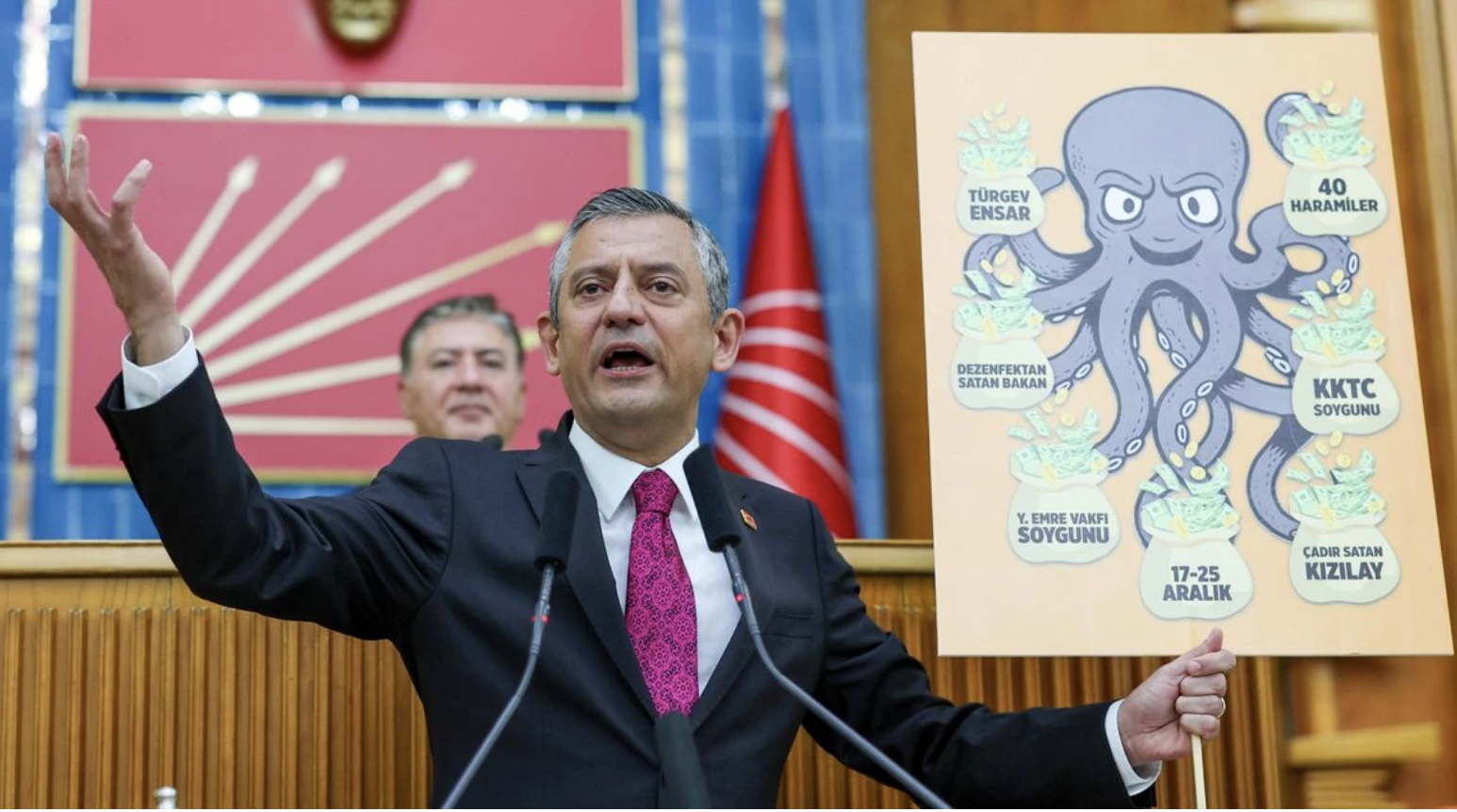
As opposition figures amplify calls for early elections, the government’s allies have responded sharply. Nationalist Movement Party (MHP) leader Devlet Bahçeli reacted forcefully to CHP leader Özgür Özel’s statements.
“The CHP leader’s obsession with early elections and his pointless calls directed at me are nothing but political foolishness,” Bahçeli said during his party’s parliamentary group meeting.
Bahçeli made it clear that elections would be held on schedule and rejected any suggestion of yielding to pressure. He also delivered a strongly worded warning aimed at the opposition.
“When election day arrives, the Turkish nation will show the organized corruption gang exactly where they stand in this country,” he said.
Özgür Özel: “I Did Not Take It Personally”
CHP leader Özgür Özel responded to Bahçeli’s remarks with a measured but pointed statement, avoiding direct confrontation while offering his own interpretation of the message.
“He will either make a call for early elections,” Özel said, “as he has done in the past—warming up the engines while trying to keep his counterparts unaware. Or he will oppose Erdoğan’s candidacy, sending a message that if there is an early election, Erdoğan could become a candidate.”
Özel concluded by downplaying the personal nature of the criticism.
“I did not take it personally at all,” he said.
A Political Countdown Begins
With multiple surveys pointing to majority support for early elections, economists highlighting voter fatigue, and political leaders exchanging increasingly sharp statements, Turkey appears to be entering a decisive political phase.
The question is no longer whether early elections are being discussed—but whether the political system can continue to resist a demand now voiced by more than half of the electorate. As economic pressures persist, calls for the ballot box are growing louder by the day.