



Turkey Prepares a Welfare Revolution: Government to Top Up Family Incomes Below the Poverty Threshold
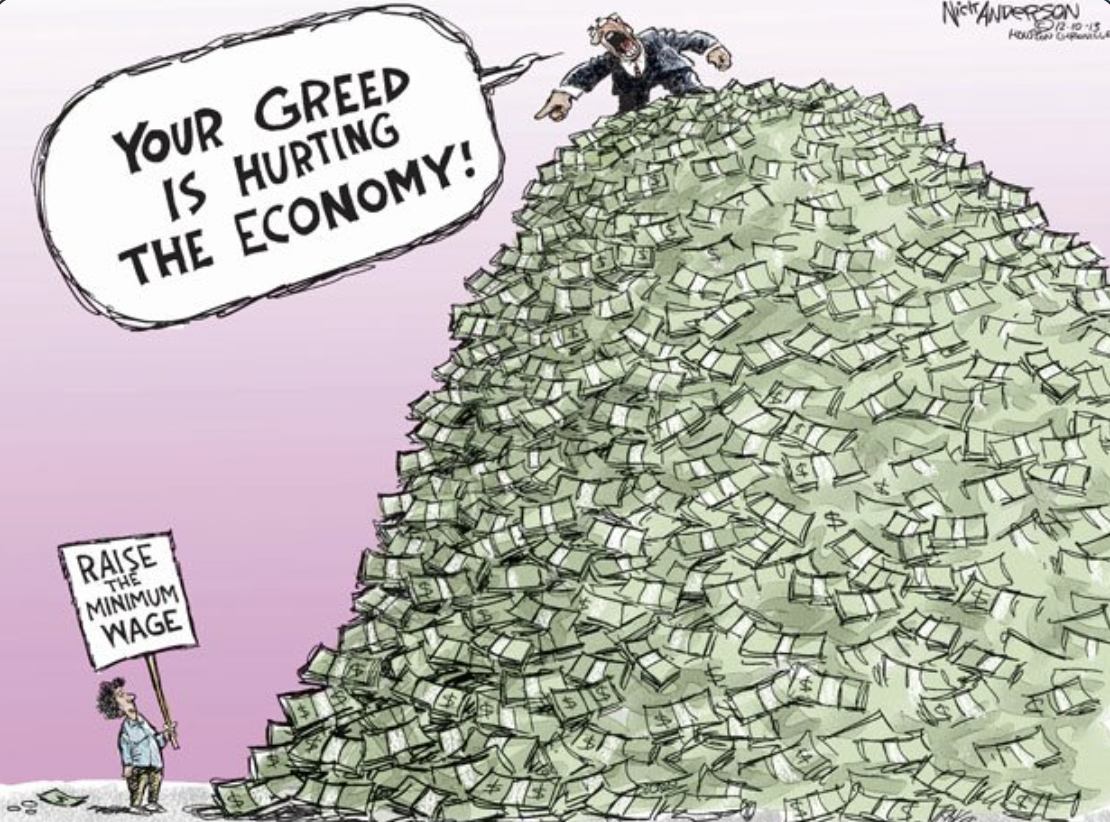 Labor Inequality by by Nick Anderson
Turkey is on the brink of a major transformation in its social welfare system. The government is preparing to launch the Income-Complementary Family Support System (GETAD), a new model designed to guarantee a minimum standard of living for households with incomes below a defined threshold. Built around a dynamic “threshold income” formula, the system will allow the state to directly close the gap between what families earn and what they need to live.
Officials describe the initiative as a form of “citizenship income,” making it one of the most ambitious changes to social assistance policy in recent decades. Preparations are now nearing completion, and pilot implementations are expected to begin within the next few months.
A New Welfare Model Takes Shape
The GETAD project is being coordinated by Vice President Cevdet Yılmaz, with multiple ministries involved in its design. Unlike traditional social aid programs that rely on fixed nationwide figures, GETAD introduces a flexible structure that adapts to local realities.
At its core is the “threshold income” concept. If a household’s total income falls below the locally defined threshold, the state will step in to make up the difference. Crucially, this applies even if household members are employed.
Officials involved in the project say the goal is not merely to provide aid, but to stabilize household welfare at a minimum acceptable level regardless of geography.
A Dynamic System Based on Where You Live
One of the most striking features of GETAD is its rejection of a one-size-fits-all model. Instead of a single national benchmark, threshold income levels will be calculated separately for each province and district.
Living costs in Istanbul will be evaluated differently from those in Şırnak. Antalya’s rental market will not be compared to Ağrı’s. Climate conditions, average rents, food prices, and local economic structures will all factor into the calculation.
This means two families with identical incomes could receive different levels of support depending on where they live.
Under the system, even households with working members will qualify if their combined income fails to meet the local threshold. The state will then bridge the gap to ensure basic living standards are met.
Not Just Cash: Tailored Support Packages
GETAD is designed to go beyond direct cash transfers. Depending on a household’s needs, assistance may take multiple forms.
Support can be provided as rent subsidies, energy assistance, food support, or heating aid, rather than as a single cash payment. Officials argue that this flexibility will enable more efficient use of public resources while directly addressing the most pressing expenses families face.
The aim is to reduce vulnerability without creating dependency, a balance policymakers say is central to the new model.
Minimum Wage Earners and Large Families in Focus
Although the minimum wage will serve as an important reference point, it will not be the sole determinant of eligibility. Household size, housing status, and special circumstances will play a decisive role.
For example, a family living on the minimum wage but raising several children in a rented home may qualify for additional rent or food assistance—even if their income technically matches the minimum wage.
Similarly, retired couples living in a rented apartment may receive income-complementary support if their pension income falls below the local threshold.
By factoring in both income and living conditions, GETAD aims to address what officials describe as the “hidden poverty” affecting working households.
Countdown to the Pilot Phase
With the technical groundwork largely complete, attention has now shifted to implementation. Pilot programs are expected to roll out in selected regions within months, allowing authorities to test the system before nationwide expansion.
If successful, GETAD could fundamentally reshape how social assistance is delivered in Turkey—shifting from fragmented aid programs to a unified, income-based safety net.
Supporters argue the model could reduce inequality, stabilize consumption, and protect households from economic shocks. Critics, meanwhile, warn of fiscal risks and implementation challenges.
What is clear is that GETAD marks a decisive moment. For millions of households living just below the comfort line, the state is preparing to make a direct promise: if your income falls short, it will be made up.