Epstein Files Ignite Controversy in Turkey as Mücahit Ören Comes Under Fire
 epst
epst
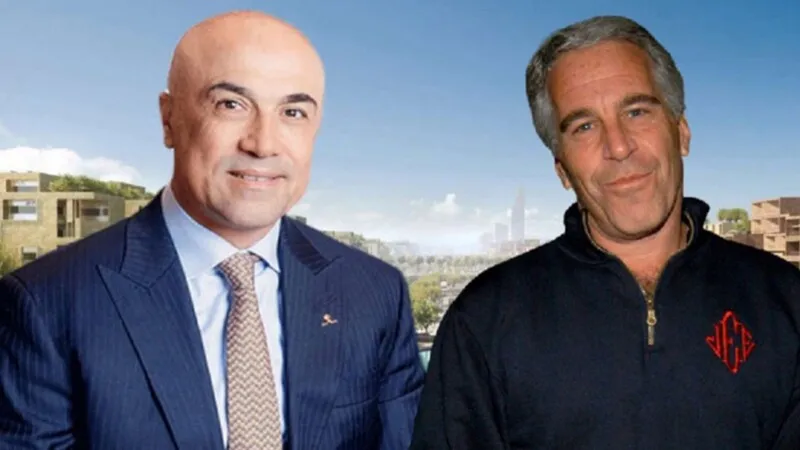
The latest release of documents linked to convicted sex offender Jeffrey Epstein has sent shockwaves through political and media circles worldwide, and Turkey is no exception. The controversy escalated sharply after Republican People’s Party (CHP) leader Özgür Özel publicly named Mücahit Ören, CEO of İhlas Holding and owner of TGRT, accusing him of hypocrisy, defamation, and attempting to distance himself from serious allegations emerging from the Epstein files. Özel’s remarks have placed Ören at the center of an expanding debate over media power, political ethics, and accountability in Turkey.
According to Özel, the Epstein documents have revealed connections that cannot be brushed aside with vague explanations or public relations defenses. He argued that the issue goes far beyond individual emails and touches on a broader pattern of influence, silence, and selective outrage. In his speech, Özel directly addressed Ören, stating in English translation, “The person whose media outlets talked about this alleged plane story day and night now appears in the Epstein documents.” This line quickly became one of the most widely circulated excerpts from the speech, amplifying public attention on Ören’s role and response.
Emails, Denials, and Damage Control
At the core of the controversy are claims that Mücahit Ören exchanged emails with figures closely associated with Epstein. Ören has acknowledged sending emails but has denied any criminal intent, arguing that the correspondence was misinterpreted and unrelated to Epstein’s crimes. He has suggested that the messages were purely about networking or business interests and should not be read as evidence of wrongdoing.
Özgür Özel rejected this defense outright. He argued that Epstein was not an ordinary businessman and that any attempt to normalize contact with such a figure is deeply problematic. Referring to Ören’s explanations, Özel said, “He says, ‘I wrote to him, but not in that sense.’ Then why write at all, and why in that tone?” Özel framed these denials as frantic attempts at damage control rather than transparent clarification.
By emphasizing the global nature of Epstein’s network and the seriousness of the crimes involved, Özel argued that the burden of proof lies with those whose names appear in such documents. In his view, simple statements of denial are insufficient when the subject matter involves international trafficking, exploitation, and abuse.
Media Power and Alleged Smear Campaigns
A significant part of Özel’s criticism focused on what he described as a double standard in Turkish media. He accused pro-government outlets, particularly those linked to İhlas Holding, of orchestrating long-running smear campaigns against opposition figures. These campaigns, he said, relied on fabricated or exaggerated allegations designed to damage reputations and personal lives.
Özel referenced months of coverage centered on an alleged airplane scandal involving opposition politicians, a story he claimed was eventually proven false. He argued that while these accusations dominated headlines, the same media figures now expect restraint and understanding when their own names surface in international scandal documents.
In a sharply worded statement, Özel said, “You spent months accusing us of lies, and now that your name appears in the Epstein files, you ask for understanding. That is not how justice works.” He presented the Epstein controversy as a moment of reckoning for media ethics in Turkey, insisting that accountability must apply to everyone equally.
Epstein, Turkey, and Unanswered Allegations
Özel also expanded the discussion beyond Mücahit Ören, raising broader concerns about Epstein’s alleged connections in Turkey. He referenced claims that Epstein-linked individuals visited luxury hotels in Turkey and maintained close relationships with powerful business figures. While Özel stopped short of making direct legal accusations, he emphasized that these claims deserve a serious and transparent investigation.
He recalled unresolved cases involving suspicious deaths at high-profile hotels, arguing that the Epstein revelations make it harder to dismiss long-standing allegations as baseless speculation. According to Özel, “When the same names and places keep appearing, society has the right to ask questions, and authorities have the duty to answer them.”
By linking the Epstein documents to past controversies, Özel framed the issue as part of a larger pattern of impunity and silence surrounding powerful networks.
“You Will Face the Consequences”
Özel’s strongest language was reserved for the conclusion of his remarks on the Epstein issue. Addressing Mücahit Ören directly, he declared, “You will face the consequences of your slander.” This statement was framed not as a legal threat, but as a political and moral judgment, suggesting that public opinion and history will ultimately hold those responsible to account.
He argued that those who engage in defamation, manipulate media narratives, and dismiss serious allegations cannot expect to remain untouched when global scrutiny intensifies. For Özel, the Epstein files represent a turning point, exposing what he described as the fragility of narratives built on power rather than truth.