Public Sentiment Analysis: Turkey’s “Terror-Free” Initiative and the Peace Process
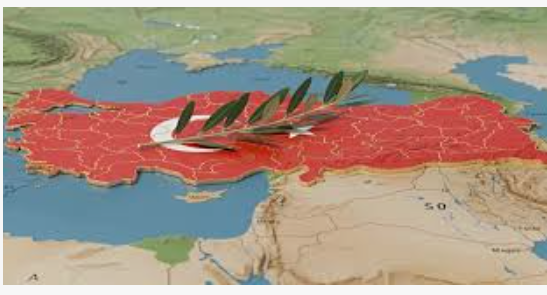 terorsuz turkiye
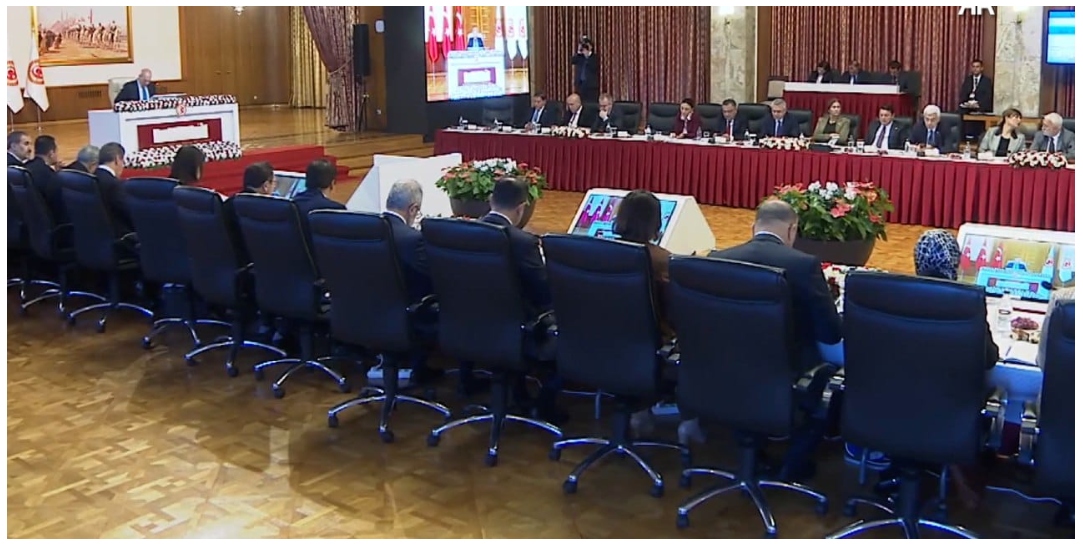
As Turkey enters 2026, the political landscape is dominated by the “National Solidarity, Brotherhood, and Democracy Commission” and the government’s ambitious “Terror-Free Turkey” roadmap. However, a collection of newly leaked and public opinion polls—reportedly sitting on the desk of Parliament Speaker Numan Kurtulmuş—reveals a nation deeply divided by political identity, age, and education level regarding the future of the Kurdish issue.
1. Political Polarization: Who Supports the Process?
The data highlights a massive disparity in support based on party affiliation. While the governing coalition and certain opposition wings show openness, others remain staunchly opposed.
-
The Proponents: Unexpectedly, the highest support comes from Yeniden Refah Party voters, exceeding 90%. Both AK Party and DEM Party supporters show strong alignment, hovering around the 80% mark.
-
The Skeptics: Support among CHP and MHP voters stands at approximately 70%.
-
The Opponents: Nationalist opposition remains the primary hurdle. İYİ Party support drops to 34%, while Zafer Party voters offer the least backing at a mere 14%.
-
Weekly polls show razor-thin race as undecideds reach 37 percent
2. Regional Realities: Economy Over Politics
Polls conducted by SAMER in 16 Eastern and Southeastern provinces reveal that for the local population, the “Kurdish Issue” is often overshadowed by immediate survival needs.
-
Priority Shift: 56.4% of respondents cited the economic crisis and unemployment as Turkey’s number one priority, while the Kurdish issue was ranked first by only 22.3%.
-
Health of the Process: Only 22.1% of regional respondents believe the current “Terror-Free Turkey” process is proceeding healthily, while 55.7% explicitly stated it is not.
-
Fragile Trust: On a scale of 1 to 5, trust in the process averaged a low 2.47, with nearly 30% of participants saying they have “no trust at all”.
3. The “Öcalan Factor” and Electoral Shifts
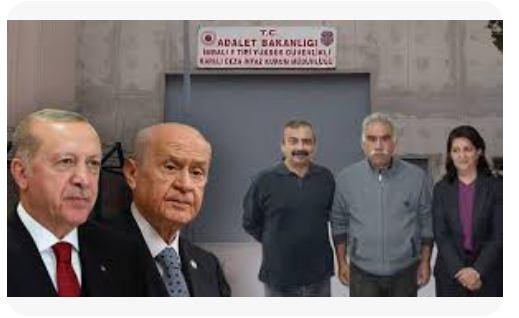
The possibility of Abdullah Öcalan calling for support for the government has created a complex electoral dynamic.
-
The DEM Party Dilemma: According to BUPAR research, over 70% of DEM Party voters state they would not support the People’s Alliance (AKP-MHP) even if Öcalan explicitly directed them to do so.
-
Trust Gap: KONDA research shows that 62% of Turkish voters do not believe the government can successfully resolve the Kurdish issue. Conversely, 66% of Kurdish voters still maintain hope that the government can achieve a resolution.
-
AKP Voter Attrition: SAMER’s data indicates a potential shift in loyalty; while 30.4% of respondents voted for the AKP in 2023, only 20% say they would do so if an election were held this Sunday.
UPDATE (Ocalan comments added)Bahçeli Rules Out Early Elections, Warns Against U.S. Strike on Iran
4. External Pressures: The Syria Variable
Foreign policy continues to cast a long shadow over domestic peace efforts. Regional sentiment is highly sensitive to Turkey’s military and diplomatic stance in Northern Syria. 61.1% of respondents in the Southeast believe that Turkey’s diplomatic stance regarding attacks on Kurdish neighborhoods in Aleppo by the Syrian Interim Government is a factor that negatively impacts the peace process.
Demographic Breakdown of Support
| Demographic | Support Level | Context |
| Ages 45-54 | 80% | Most supportive age group |
| Ages 18-24 | 70% | Optimistic but less engaged than older cohorts |
| High Education | 68% | Support among PhD and Master’s holders is lower |
| Primary Education | 77% | Higher levels of support among less-educated groups |