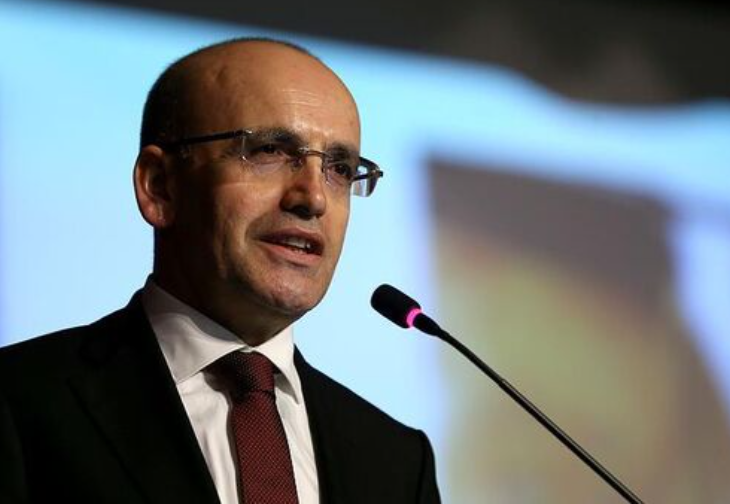
Minister Şimşek Says Weather Conditions Drove January Inflation Spike
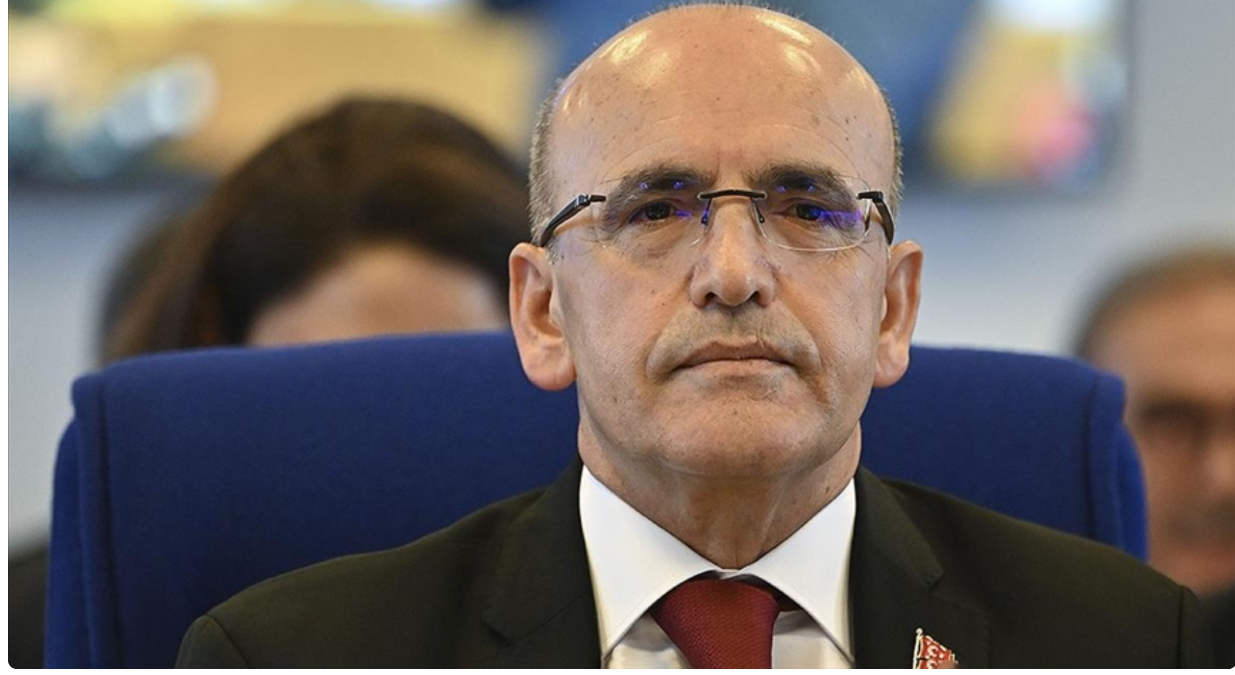 mehmet-simsek
Turkey’s Treasury and Finance Minister Mehmet Şimşek has evaluated January inflation data released by the Turkish Statistical Institute (TÜİK), noting that unfavorable weather conditions were a key driver of monthly inflation exceeding expectations. While acknowledging the short-term spike, Şimşek emphasized that the broader disinflation trend remains intact, pointing to a continued decline in annual inflation.
Following the publication of the January figures, which showed monthly inflation exceeding market forecasts, Şimşek highlighted that annual inflation fell to 30.7 percent, reinforcing the government’s confidence in its ongoing disinflation strategy. He stressed that temporary factors rather than structural weaknesses were responsible for the latest data.
Weather-Driven Food Prices Key Factor in January Data
In his assessment, Şimşek underlined that food prices increased well above their long-term seasonal averages due to adverse weather conditions. He noted that these developments, combined with period-specific factors, were the primary contributors to January’s inflation outcome.
Şimşek said, “In the January inflation outcome, food prices rising significantly above their long-term averages due to adverse weather conditions, along with seasonal factors, were decisive.”
The minister explained that weather-related agricultural supply disruptions temporarily distorted price dynamics, particularly for food items, which traditionally carry a high weight in consumer inflation calculations. According to Şimşek, these pressures are not expected to persist over the medium term.
Monthly Inflation Exceeds Expectations, Annual Rate Continues to Fall
Addressing concerns over the higher-than-expected monthly figure, Şimşek acknowledged that the data surprised markets but urged observers to focus on the broader trajectory. He noted that despite the monthly acceleration, annual inflation continued its downward path, reflecting the cumulative impact of tight monetary and fiscal coordination.
He stated, “While monthly inflation came in above expectations, the annual inflation rate declined to 30.7 percent.”
Şimşek emphasized that one-off shocks should not overshadow the structural progress made in inflation control, adding that the decline in annual inflation demonstrates the effectiveness of the current policy framework.
Decline in Service and Core Goods Inflation Continues
One of the key points highlighted by Şimşek was the sustained slowdown in service inflation, which he said has been decreasing uninterruptedly for 21 months. This trend is widely regarded by economists as a critical indicator of underlying price stability, given the persistence of service-sector inflation.
In addition, core goods inflation continued its downward trend, at 17.4 percent year over year. Şimşek noted that this development reflects easing cost pressures and improving supply conditions across non-energy and non-food goods.
The minister also noted a significant decline in rental inflation, with annual rent inflation down 44 percentage points from the same month of the previous year. He described this as an important signal that price rigidities in housing-related services are beginning to ease.
Temporary Factors Expected to Have Limited Lasting Impact
Şimşek sought to reassure markets, stating that the temporary factors affecting January inflation are not expected to have a lasting impact on the overall inflation trend. According to him, the core disinflation trajectory remains firmly in place.
He said, “We expect the impact of the temporary factors observed in January on the main inflation trend to remain limited.”
This assessment aligns with the government’s broader view that short-term volatility, particularly stemming from supply-side disruptions, should be distinguished from structural inflation dynamics.
Commitment to Disinflation Policies Remains Firm
Reiterating the government’s policy stance, Şimşek stressed that disinflation measures would continue to be implemented decisively, supported by supply-side initiatives to ease price pressures and improve market functioning.
He stated, “We will continue our disinflation policies with determination, supported by supply-side measures. In this way, we expect a decline in the main inflation trend and a reduction in price-setting rigidities.”
Şimşek argued that sustained policy consistency is essential to anchor inflation expectations and reduce persistent pricing behavior that contributes to inflation inertia. He added that restoring price stability remains a top priority for economic policy.
Economists Remain Cautious Despite Official Optimism
While the government maintains a confident outlook, some economists have warned that the January figures highlight ongoing vulnerabilities, particularly in food prices and cost-of-living pressures. The sharper-than-expected monthly rise has renewed debate over the pace and durability of disinflation, even as annual indicators improve.
Nevertheless, Şimşek maintained that the structural direction of inflation remains favorable and that temporary disruptions should not derail the broader stabilization process.
Related articles

Rent Growth Slows Across Turkey as Annual Increases Fall Below Inflation
Finance Minister Şimşek Expects Inflation Expectations to Align with CBRT Forecasts as Rates Fall
Minister Şimşek: “We Will Ensure Lasting Price Stability Through Fiscal Discipline and Structural Reforms”