Iran Orders Nuclear Talks Restart as US Negotiations Set to Take Place in Turkey
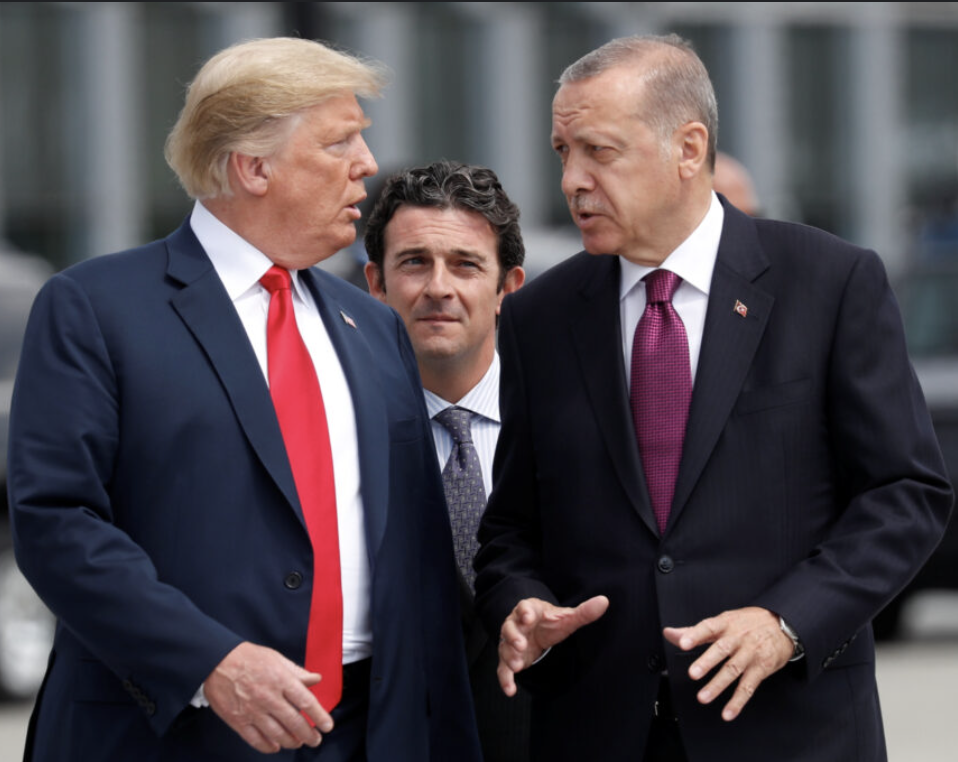 Trump & Erdoğan
Iran is preparing to re-enter nuclear negotiations with the United States after President Masoud Pezeshkian reportedly issued a direct order to resume diplomatic talks, according to Iranian media. The renewed discussions, which could mark a critical turning point in long-stalled diplomacy, are expected to take place in Turkey within the coming days, positioning Ankara once again as a key regional mediator.
Iran Signals Willingness to Reopen Nuclear Diplomacy
Reports in Iran’s domestic press indicate that President Pezeshkian has formally instructed relevant state institutions to resume negotiations with Washington. This development suggests a shift toward diplomatic engagement following months of uncertainty surrounding Iran’s nuclear program and escalating regional tensions.
While Iranian officials have not yet issued an official public statement, sources familiar with the matter describe the directive as a high-level political decision intended to test whether diplomacy remains a viable alternative to confrontation. The move comes amid growing economic pressures and renewed international scrutiny over Tehran’s nuclear activities.
The decision to resume talks does not imply immediate concessions; it signals Iran’s readiness to explore negotiated solutions, particularly on sanctions relief and nuclear compliance frameworks.
Turkey Emerges as the Preferred Venue for Talks
According to Iranian media, Turkey has been selected as the host country for the upcoming round of discussions. The choice reflects Ankara’s long-standing role as a diplomatic bridge between Western powers and regional actors, as well as its ability to maintain dialogue with both Tehran and Washington.
Turkey has previously hosted or facilitated sensitive negotiations involving Iran, Russia, Ukraine, and Middle Eastern stakeholders. Its geopolitical positioning, NATO membership, and regional influence make it a strategically acceptable location for discreet, high-level diplomacy.
Sources indicate that logistical preparations are already underway, with meetings expected within days rather than weeks, underscoring the urgency of the diplomatic push.
US Media Confirms Behind-the-Scenes Diplomatic Efforts
American media outlets had earlier reported that Turkey, Egypt, and Qatar were jointly working to facilitate a meeting between senior Iranian officials and Steve Witkoff, the US President’s Special Envoy for the Middle East. These reports indicated that Ankara was actively coordinating efforts to bring both sides to the table.
The emerging consensus among mediators is that Turkey offers the most politically neutral and operationally feasible environment for such talks. Diplomatic sources claim that both delegations could arrive in Ankara as early as this week, though official confirmation from Washington remains pending.
Trump Administration Open to a Diplomatic Path
An unnamed official quoted in US reports stated, “The process is moving forward. We are doing the best we can.” The same source emphasized that President Donald Trump has not made a final decision regarding potential military action against Iran and remains open to resolving disputes through diplomacy.
This stance aligns with recent signals from the White House suggesting that, despite mounting pressure from regional allies, particularly Israel, the administration is still evaluating non-military options. Trump’s openness to dialogue may provide the political space necessary for negotiations to proceed without immediate escalation.
Israel Watches Closely as Talks Take Shape
The prospect of renewed US-Iran talks has drawn close attention from Israel, which has consistently expressed concern over Iran’s nuclear ambitions. Israeli officials have reportedly communicated their conditions and red lines to US counterparts, emphasizing the need for strict verification mechanisms and long-term guarantees.
While Israel is not a direct participant in the negotiations, its security concerns are expected to influence the broader diplomatic environment, particularly in Washington. The outcome of talks in Turkey could therefore have implications far beyond bilateral US-Iran relations.
Related articles
Turkey Condemns Israel’s Strikes on Gaza, Calls It a “Clear Violation of the Ceasefire”
Zelensky to Visit Turkey in Bid to Reignite U.S.-Backed Peace Diplomacy With Russia
U.S. Sanctions Seven Turkish Companies Over Iran Drone Supply Network