CHP Claims Planned Highway Privatization Could Trigger 300pct Toll Hikes
 istanbul-bridge
Turkey’s main opposition party has raised new alarms over an alleged plan to transfer publicly operated highways to private companies, warning that the move could sharply increase toll fees for motorists and generate billions of dollars in long-term private revenue.
CHP Deputy Chair and Zonguldak lawmaker Deniz Yavuzyılmaz claimed that the government is preparing to privatize seven state-run highways for a 25-year period. According to his assessment, such a move would push toll prices toward levels seen on build-operate-transfer (BOT) highways, resulting in increases of up to 300 percent and creating what he describes as a massive rent mechanism benefiting private operators.
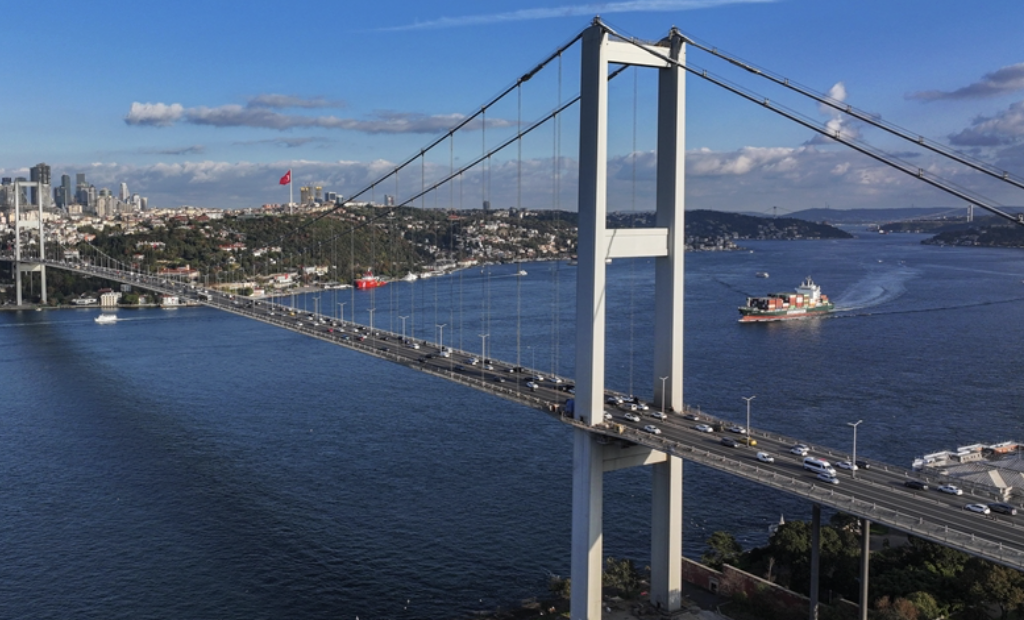
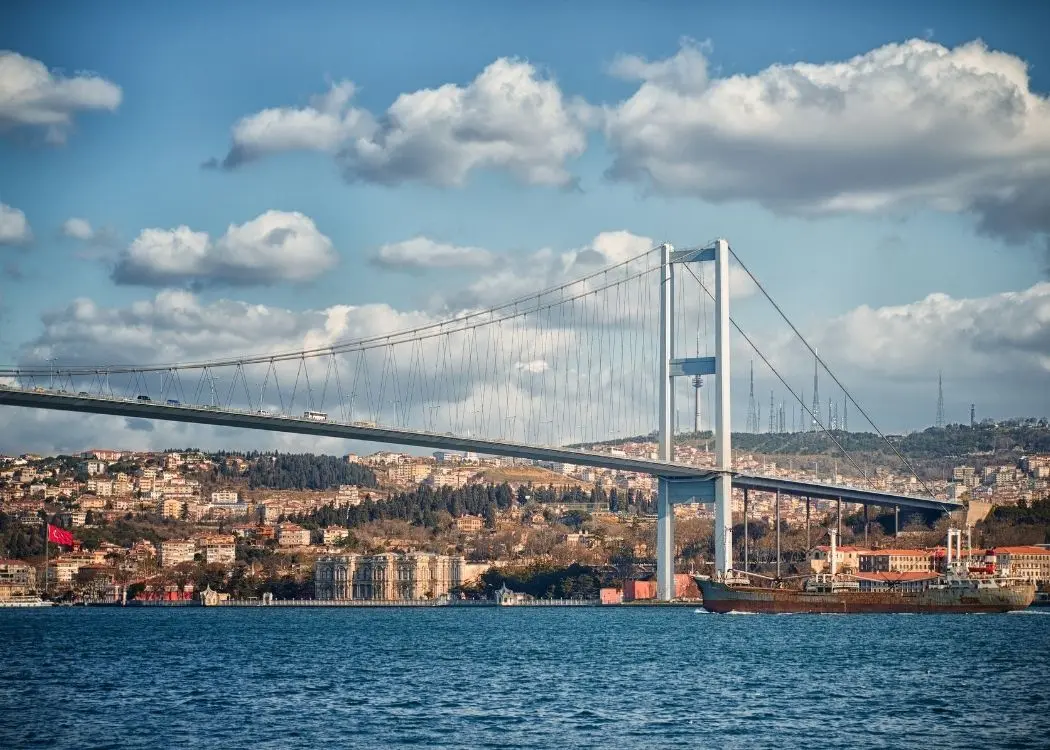
The claims follow earlier statements by Yavuzyılmaz regarding the possible privatization of the July 15 Martyrs Bridge and the Fatih Sultan Mehmet Bridge. He now argues that the scope of the privatization agenda is broader, encompassing some of Turkey’s most strategically important road networks.
Alleged Feasibility Study Conducted by Foreign Consultancy
Yavuzyılmaz said documents indicate that the General Directorate of Highways (KGM) commissioned a feasibility study from a foreign firm as part of the preparation process. The company named in the documents is BTY Construction Cost Consultants Co., a North America–based consultancy.
According to the claims, the study covers highways operated by KGM’s Istanbul (1st Region), Izmir (2nd Region), Ankara (4th Region), and Mersin (5th Region) offices. Yavuzyılmaz argued that this points to an advanced stage of planning rather than a preliminary review.
He also questioned the process’s transparency, noting that outsourcing such a study to a foreign company raises concerns about public oversight and the long-term national interest.
Seven Highways Allegedly Targeted for Privatization
Based on the documents shared publicly, the following highways are said to be included in the proposed 25-year privatization package:
KGM European Motorway
KGM Anatolian Motorway
Izmir–Aydın Motorway
Izmir–Çeşme Motorway
Niğde–Mersin–Adana Motorway
Adana–Gaziantep Motorway
Gaziantep–Şanlıurfa Motorway
These routes form a critical part of Turkey’s transportation infrastructure, connecting major cities, industrial zones, and ports while carrying hundreds of millions of vehicles each year.
Price Gap Between Public and Private Highways
A key element of Yavuzyılmaz’s argument is the toll disparity between publicly operated highways and privately run BOT projects. According to the data he shared, the average toll cost per kilometer on state-run highways is approximately 0.84 Turkish lira. On BOT highways operated by private companies, the average rises to around 3.45 Turkish lira per kilometer.
Yavuzyılmaz stated that if the seven highways are privatized, tolls would be adjusted to align with BOT standards. He warned that this would translate into an effective 300 percent increase for drivers currently using public roads.
As an example, he cited the KGM European Motorway, which is 211 kilometers long. The current toll is around 168 lira, based on a rate of roughly 0.80 lira per kilometer. Under BOT-style pricing similar to the Northern Marmara Motorway, the cost per kilometer could increase to approximately 3.14 lira, significantly raising the total toll.
$17.6 Billion Revenue Projection Over 25 Years
Using 2024 income and expenditure figures, Yavuzyılmaz estimated that the seven highways currently generate a combined annual net income of about $176 million. However, he argued that with a 300 percent toll increase and a 25-year operating concession, total net revenue could reach $17.663 billion, equivalent to roughly 768 billion Turkish lira.
“The government is trying to collect this money upfront before the elections,” Yavuzyılmaz said.
He suggested that the projected revenue explains the timing and urgency of the alleged privatization efforts.
“Citizens Will Be Turned Into Mandatory Customers”
Yavuzyılmaz strongly criticized the plan’s potential social impact, arguing that it would burden citizens who have already paid for the infrastructure through taxes.
“By selling highways whose costs were already covered by taxpayers and which the state operates at a high profit, millions of citizens will be turned into mandatory customers of pro-government companies,” he said.
He also warned of labor consequences, stating that thousands of KGM employees, including civil servants and workers, could be displaced from public-sector employment if the privatization proceeds.
According to the data cited, the seven highways handle approximately 405 million vehicle crossings per year. Critics argue that transferring such heavily used and profitable assets could permanently alter transportation costs, logistics expenses, and regional economic balance.
The government has not publicly responded to the claims. The allegations have nevertheless reignited debate over infrastructure privatization, toll pricing, and the balance between public benefit and private profit in Turkey’s transport policy.