COMMENTARY: Did the DEM Party Fumble the Peace Process?
 baris sureci
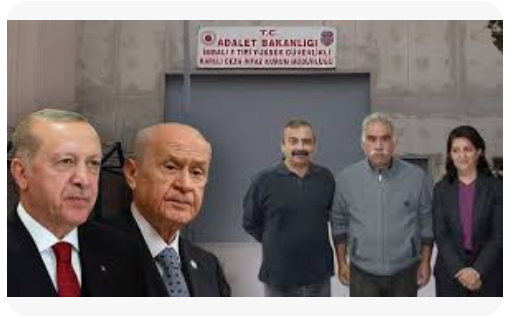
Debate is intensifying over whether the İmralı-centered peace process has reached an impasse, amid escalating regional tensions and growing skepticism within Türkiye’s Kurdish political landscape.
Recent clashes in Syria that began on January 6 have revived concerns that developments across the border could derail Ankara’s fragile domestic reconciliation efforts. The DEM Party has described the situation as a “major rupture for Kurds,” fueling speculation that the process involving imprisoned PKK leader Abdullah Öcalan may be stalling.
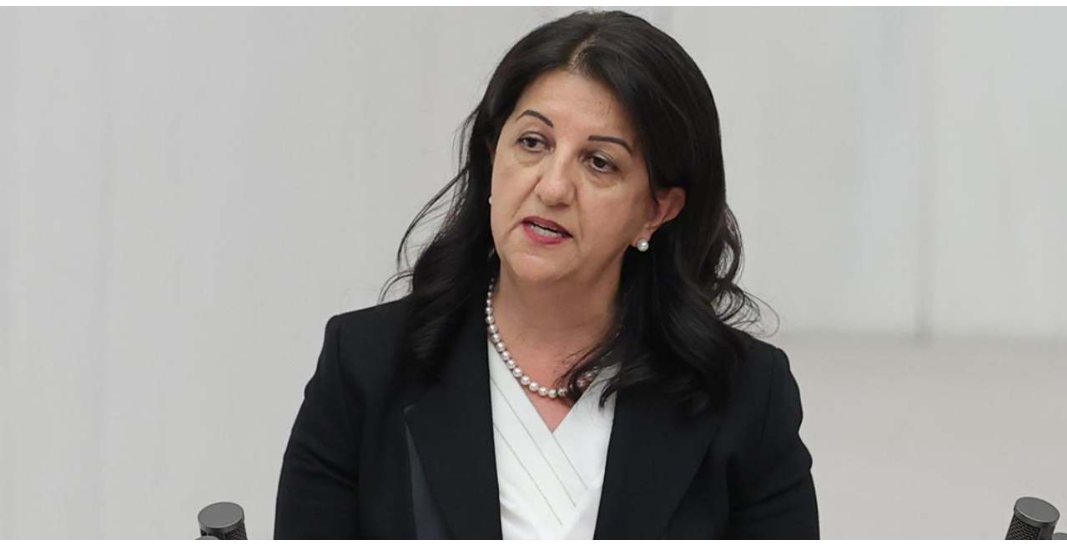
Responding to these claims, Pervin Buldan, a parliamentary deputy speaker and member of the DEM Party’s İmralı delegation, rejected the notion of a deadlock. Citing Öcalan’s past interventions, Buldan argued that dialogue had repeatedly overcome obstacles and that the current phase required his views to reach society more broadly.
Pervin Buldan, Co-chair of DEM Party
Acknowledging a slowdown, Buldan said global and regional dynamics had temporarily dampened momentum, stressing that such fluctuations were typical in conflict-resolution processes. However, she also warned that dialogue must now deliver tangible outcomes. “We are not avoiding dialogue,” she said, “but it must produce results.”
Buldan emphasized the need to move talks firmly onto the ground of democratic politics and law, calling for concrete steps and a comprehensive joint report capable of meeting public expectations. She also criticized the prioritization of security discourse over freedom-oriented legislation, arguing that “peace itself is the greatest security.”
Syria Factor and Kurdish Public Opinion
Addressing Syria’s impact on Türkiye’s peace efforts, Buldan warned that military pressure, embargoes, and isolation targeting Rojava risk deepening fractures among Kurds in Türkiye. She reiterated the DEM Party’s long-standing position that Kurds on both sides of the border share deep familial and social ties, cautioning against subordinating domestic peace efforts to developments in Syria.
Buldan also confirmed that discussions were ongoing within the parliamentary “National Solidarity, Brotherhood and Democracy Commission,” which is expected to finalize a joint report before transitioning to the legislative phase.
Critical Voices: Strategic Confusion and Political Costs
Political analyst Dr. Berk Esen offers a far more skeptical assessment. He argues that recent claims portraying the Syrian settlement as the result of Öcalan’s dialogue efforts do not align with realities on the ground. According to Esen, the turning point stemmed instead from a shift in U.S. policy under President Donald Trump, the defection of Arab tribes from the Syrian Democratic Forces, and subsequent military setbacks for the YPG.
Academic and political commentator Dr Berk Esen

“If any Kurdish actor gained leverage in negotiations, it was Mesut Barzani — not Öcalan,” Esen notes. He suggests that alternative narratives are being circulated to manage Kurdish public opinion and limit backlash against elite-level bargaining.
Esen further argues that non-state armed groups such as Hezbollah and the PKK are losing relevance as regional proxy conflicts wind down. Compared to a decade ago, the Kurdish movement faces a far weaker strategic position, having lost municipalities, key leaders, and political momentum amid Türkiye’s post-2015 authoritarian turn.
DEM Party’s Strategic Dilemma
According to Esen, DEM Party leaders risk further alienating their base by continuing to defend a peace process that has yet to deliver concrete gains. He contends that the party’s heavy reliance on Öcalan for legitimacy reflects its eroding political weight.
This dynamic, Esen argues, creates two broader problems for the opposition. First, elevating Öcalan further entrenches negative perceptions among much of the Turkish electorate, raising the political cost of cooperation with DEM. Second, transforming Öcalan into a central political actor weakens DEM’s remaining democratic credentials and exposes it to future political engineering by the government.
A Missed Opportunity?
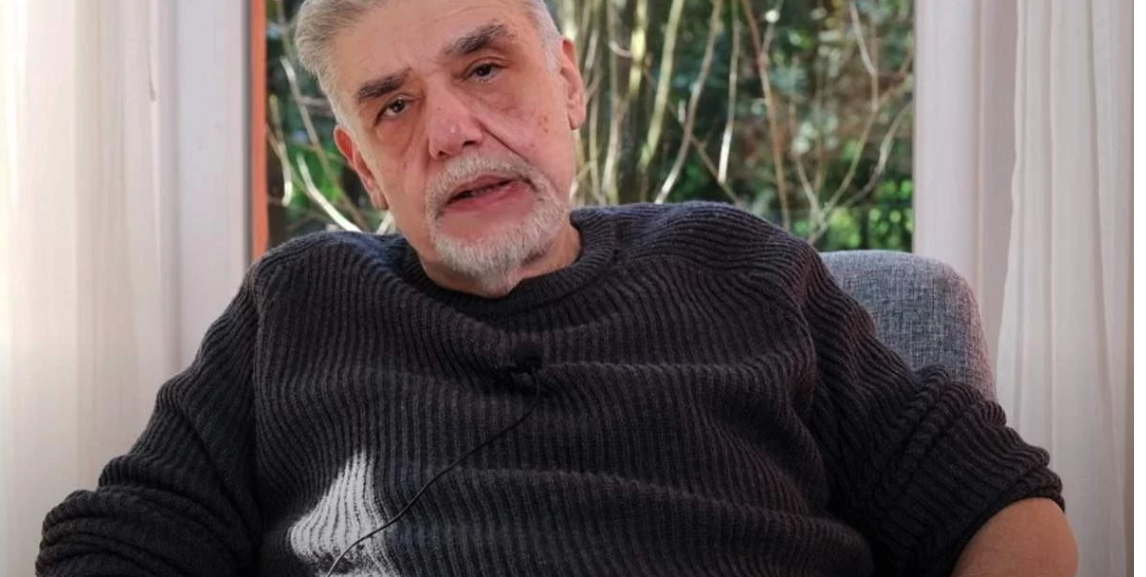
In a parallel assessment, Atilla Yeşilada argues that DEM Party messaging has suffered from internal inconsistency. While insisting that the Autonomous Administration of North and East Syria (AANES) is an independent entity whose military decisions should not shape Türkiye’s peace process, the party simultaneously organized protests against Syrian National Army operations. The lowering of Turkish flags during those rallies, Yeşilada notes, enabled nationalist actors to frame DEM and AANES as PKK extensions.
Atilla Yesilada
Yeşilada also argues that DEM would have been better served by elevating imprisoned former HDP leader Selahattin Demirtaş as its primary interlocutor with the government. Demirtaş, he notes, commands sympathy among Turkish social democrats and lacks the heavy historical baggage associated with Öcalan.
What Comes Next
Despite these tensions, both analysts agree that the ruling AKP–MHP alliance remains committed — for now — to advancing limited peace-related legislation, including measures addressing alleged PKK affiliates in prison and conditional amnesties for returning militants.
However, Yeşilada cautions that such steps could erode nationalist support and weaken the ruling bloc at the ballot box, reducing its willingness to pursue the next — and far more consequential — phase: constitutional reform to enshrine full equality between Kurds and the Turkish majority.
Whether the peace process can survive these contradictions may ultimately depend on whether political actors can move beyond symbolism and deliver credible, inclusive solutions.
Analysis & commentary: Dr. Berk Esen, Atilla Yeşilada
Source reporting: Bianet / Ayşegül Başar
PA Turkey intends to inform Turkey watchers with diverse views and opinions. Articles on our website may not necessarily represent the view of our editorial board or count as endorsement.
Follow our English YouTube channel (REAL TURKEY):
https://www.youtube.com/channel/UCKpFJB4GFiNkhmpVZQ_d9Rg
Twitter: @AtillaEng
Facebook: Real Turkey Channel: https://www.facebook.com/realturkeychannel/
Related articles
Erdoğan Replaces Justice and Interior Ministers in Cabinet Reshuffle. Why?
PKK Chieftain: Peace Process is Stuck — “No Decision at the Convention Without Apo’s Participation”
Bahçeli announced completion of 100-article constitution