Hunger Line in Turkey Tops 31,000 TL as Living Costs Surge
 poverty
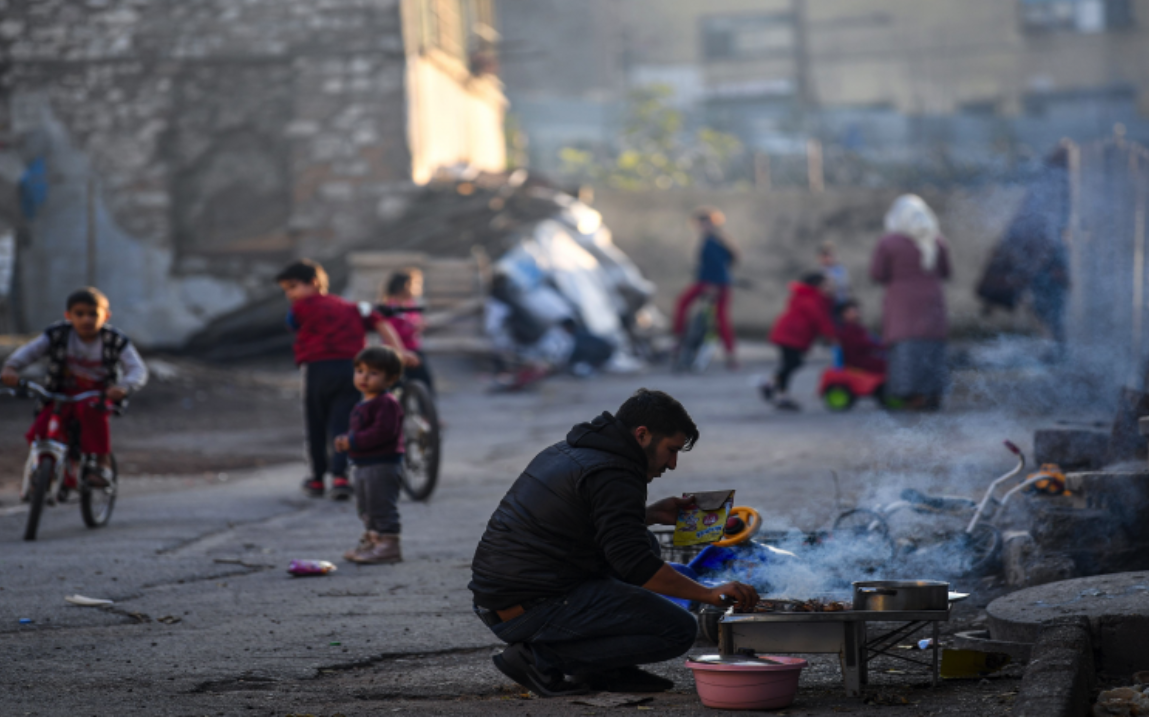
Türkiye’s cost-of-living pressures continued to intensify at the start of 2026, with new data from TÜRK-İŞ showing a sharp rise in both the hunger and poverty thresholds. According to the labor confederation’s January 2026 Hunger and Poverty Line Survey, the minimum income required for a four-person household to meet basic needs has risen to levels well above current wage benchmarks.
The study calculates that a family of four living in Ankara must now spend ₺31,224 per month on food alone to maintain a healthy, balanced, and adequate diet. When essential non-food expenses such as housing, transportation, education, healthcare, and utilities are included, the poverty line climbed to ₺101,706.
For a single worker, the monthly cost of living was measured at ₺40,541, reflecting the growing strain on individual earners amid rising prices.
Food Inflation Accelerates Sharply
TÜRK-İŞ data indicate continued acceleration in kitchen inflation, a key indicator closely monitored by households. In January, food prices rose 3.58% month-on-month, while the annual increase reached 41.08%. The 12-month average food inflation rate was 39.79%.
The pace of increase is striking when viewed over a longer period. In January last year, the hunger line stood at ₺22,131. Within one year, it increased by nearly ₺9,000, reaching today’s ₺31,224. Over the same period, the poverty line increased from around ₺72,000 to more than ₺101,000, highlighting the widening gap between incomes and basic living costs.
These figures underline the growing difficulty faced by workers and low-income households in meeting essential needs.
Rising Pressure From Core Food Items
The survey shows that price increases remain widespread across core food categories, even though some items experienced limited or temporary relief. Prices for milk, yogurt, and cheese rose more slowly than in previous months, yet these products continue to place a heavy burden on household budgets.
Meat prices remain a key source of pressure. TÜRK-İŞ reported ongoing increases in beef, lamb, and chicken, while fish prices also moved higher. Eggs were one of the few categories to record a modest decline, offering limited relief to consumers.
Fresh produce prices exhibited mixed trends. Vegetable prices increased overall, while fruit prices posted a slight decrease. Average prices were calculated at ₺89.94 per kilogram for vegetables and ₺109.06 for fruit, levels that remain elevated by historical standards.
Staples and Oils Show Mixed Trends
In the grains category, flour and pasta prices increased, whereas bulgur wheat prices declined. TÜRK-İŞ reported no significant change in bread and rice prices, thereby providing some stability in staple food consumption.
Cooking oils presented a more stable outlook. Prices for sunflower oil, butter, and margarine remained unchanged, while olive oil continued to fluctuate, reflecting ongoing volatility in supply and import costs. Beverage-related items also experienced upward pressure, with tea and linden tea prices increasing, whereas tomato paste prices declined slightly.
Despite occasional price drops in specific items, the overall trend remains upward, reinforcing the persistence of food inflation.
Poverty Line Is Not a Wage Benchmark
TÜRK-İŞ emphasized that the poverty line should not be interpreted as the wage a worker must earn, but rather as the minimum total household income required to live with human dignity. However, the confederation acknowledged that limited income sources often lead the public to perceive the poverty line as a de facto wage target.
In its report, TÜRK-İŞ made the following clarification:
“The poverty line amount is not the wage that should be paid to a worker. Such an interpretation would reflect an incomplete approach. The poverty line represents the level of expenditure required for a family to live in accordance with human dignity and indicates the minimum total income that must enter the household.”
Income Constraints Deepen Nutritional Risks
The study highlights the social consequences of income erosion, warning that many low-income households are unable to access healthy and balanced nutrition. As fixed expenses, such as rent and utilities, absorb a growing share of income, families are increasingly forced to reduce food spending.
TÜRK-İŞ warned that this adjustment comes at a cost:
“As a result, low and insufficient income levels lead low-income individuals and families to consume unhealthy and unbalanced diets.”
According to the confederation, these trends pose long-term risks not only to household welfare but also to public health and labor productivity.
Cost-of-Living Pressure Remains Central Challenge
The January 2026 data confirm that food inflation and rising living costs remain one of Türkiye’s most pressing economic challenges. While some categories showed temporary stabilization, the overall picture indicates sustained pressure on household budgets, particularly for workers on fixed incomes.
TÜRK-İŞ’s findings reinforce the growing gap between wages and the cost of living, making affordability and income adequacy central issues in the months ahead.
Related articles

İmamoğlu Calls for National Mobilization After Devastating Agricultural Frost Hits Farmers
Turkey’s Minimum Wage Countdown: Early 2026 Scenarios
Poverty Line in Turkey Rises Sharply as Inflation Outpaces Wages