Şimşek: Export and Tourism Gains Strengthen External Balance
 mehmet-simsek
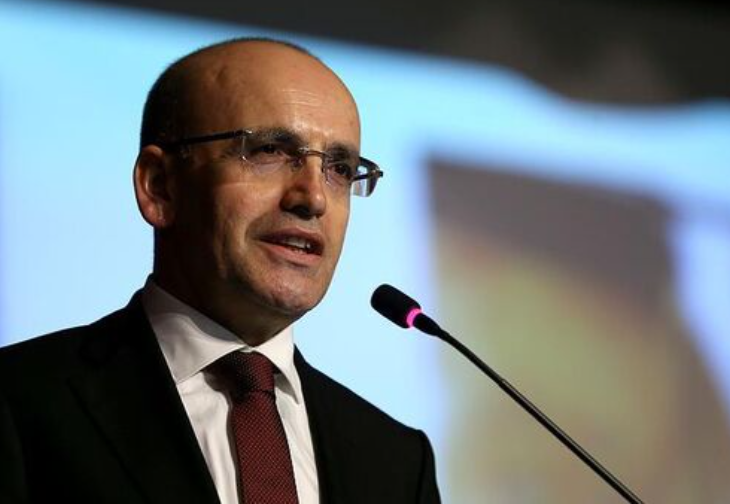
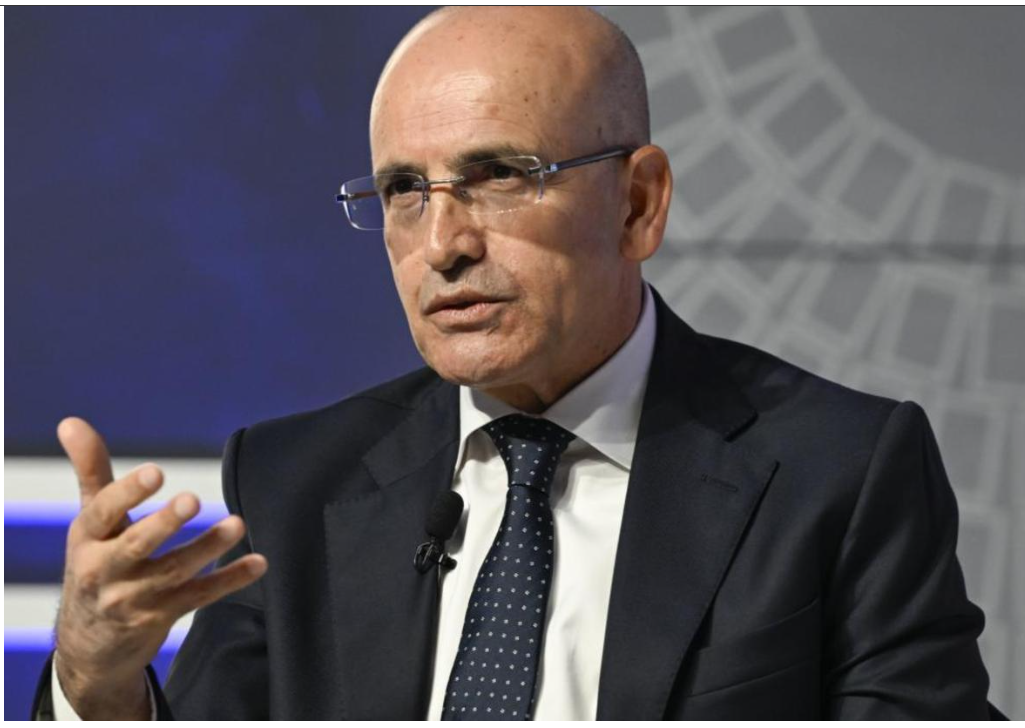
Türkiye’s export and tourism performance in 2025 continued to reinforce progress toward a sustainable current account balance, Treasury and Finance Minister Mehmet Şimşek said, noting improved external indicators despite ongoing global uncertainties.
Commenting on the latest foreign trade and tourism data released by the Turkish Statistical Institute (TÜİK), Şimşek said the figures point to a broadly positive trajectory for the economy. In a statement shared on social media, the minister emphasized that strong performance in key foreign-currency–generating sectors has supported Türkiye’s medium-term economic objectives.
“Our performance in exports and tourism in 2025 continued to support the gains we have achieved toward our sustainable current account balance target,” Şimşek said.
Exports Rise Despite Global Headwinds
According to TÜİK data cited by the minister, exports increased by 4.4% in 2025 to $273.4 billion, reflecting Türkiye’s resilience in international markets despite weakening global trade conditions. Şimşek noted that export growth remained a critical driver in containing external imbalances.
Imports, meanwhile, rose during the year, partly due to higher gold prices. However, Şimşek emphasized that this increase did not derail the broader adjustment process.
“Although imports increased, partly driven by higher gold prices, the foreign trade deficit remained below the level projected in the Medium-Term Program,” he stated.
This outcome, he added, highlights the effectiveness of policy coordination under the Medium-Term Program (OVP), particularly in managing external vulnerabilities while supporting economic activity.
Tourism Revenue Exceeds Medium-Term Targets
Tourism emerged as another key pillar supporting external balance. Şimşek noted that Türkiye hosted 63.9 million visitors in 2025, underscoring the country’s continued appeal as a global travel destination.
Tourism revenues rose 6.8% year-on-year to $65.2 billion, surpassing official OVP targets and boosting foreign exchange inflows.
“In 2025, tourism revenues increased by 6.8% to $65.2 billion, exceeding the Medium-Term Program target,” Şimşek said.
He also highlighted improvements in visitor spending patterns, noting that policies aimed at spreading tourism across all seasons and diversifying tourism offerings have delivered tangible results.
“Thanks to our policies to expand tourism across four seasons and into different segments, average spending per visitor increased to over $1,000,” he added.
Services Trade Cushions External Risks
Şimşek pointed out that Türkiye’s strong position in services trade, led by tourism, logistics, and transport, continues to act as a buffer against volatility in global goods trade. As international trade faces heightened uncertainty due to geopolitical tensions and slower global growth, services exports are playing an increasingly stabilizing role.
“Our strong position in services trade limits the impact of uncertainties in global goods trade on the external balance,” the minister said.
This structural strength, he argued, has contributed to a more durable improvement in the current account balance.
Focus on Structural Reforms and High Value-Added Production
Looking ahead, Şimşek stressed that maintaining and deepening these gains will require continued focus on structural reforms. He reaffirmed the government’s commitment to policies that promote high-value-added production, reduce dependence on external energy, and support long-term competitiveness.
“To sustain the structural improvement in the current account balance, we will continue to prioritize active industrial policies that support high value-added production and investments that expand domestic and renewable energy capacity,” he said.
According to Şimşek, these measures are essential to strengthening Türkiye’s external resilience and ensuring sustainable growth amid shifting global economic conditions.