Türkiye’s Wage Earners Face Deepening Income Erosion as Living Costs Accelerate
 emek isci
Summary:
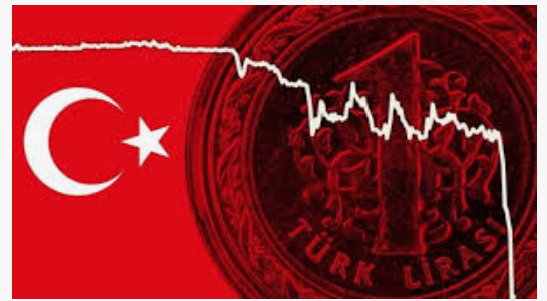
The economic pressures facing wage earners in Türkiye have moved beyond rising living costs and evolved into a broad-based erosion of real incomes. As 2026 begins, households are confronting shrinking purchasing power, surging debt burdens and weakening repayment capacity, raising concerns about financial distress becoming systemic.
The economic conditions facing wage earners in Türkiye are increasingly defined not only by high inflation, but by a sustained erosion of real incomes. While official inflation data released by the Turkish Statistical Institute (TÜİK) continues to be questioned by the public, the underlying cost-of-living pressures appear set to intensify further in early 2026, driven in part by global developments and a sharp rise in gold prices.
Türkiye has ranked among the countries experiencing the steepest declines in real wages in recent years. According to OECD data, the country stands near the top of global rankings for reductions in net incomes measured in purchasing power parity terms. OECD assessments have repeatedly highlighted that while unit labor costs have declined, labor’s share of national income has continued to shrink.
Comparisons across G20 economies show that while real wages in advanced economies have remained broadly flat or declined modestly, Türkiye has suffered pronounced real wage losses. Persistently high food and housing inflation have been key drivers. Studies by both the International Labour Organization (ILO) and the OECD indicate that conditions for wage earners in Türkiye have deteriorated significantly.
Rising Debt as Incomes Fall Short
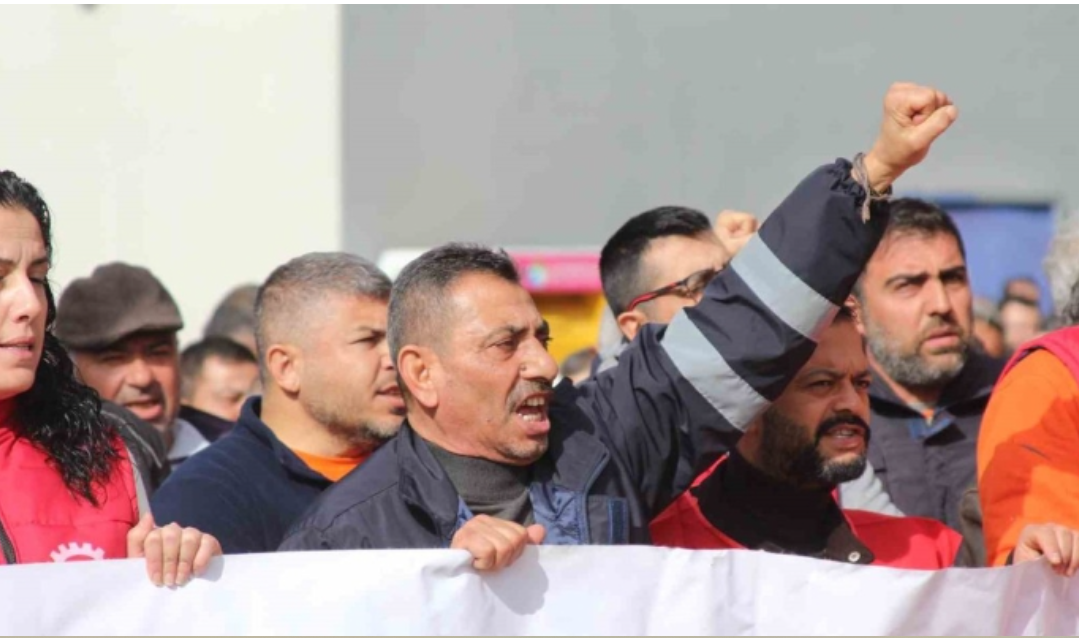
With approximately 72% of the working population employed as wage earners, a large majority of Turkish households are now grappling with what economists describe as a structural income erosion problem. As disposable incomes fail to keep pace with basic expenses, many households have increasingly turned to borrowing to maintain daily consumption.
Recent data underscore how rapidly household debt has accumulated. According to figures from the Banking Regulation and Supervision Agency (BDDK), credit card balances stood at relatively manageable levels in January 2025. By January 2026, outstanding credit card debt had exceeded TRY 2.7 trillion, with annual growth far outpacing headline inflation.
The composition of this borrowing has raised particular concern. Unlike past credit cycles driven by discretionary spending, much of the recent increase has been used to cover essential needs such as food, housing and utility bills, indicating mounting financial stress at the household level.
Loan Defaults Accelerate
The deterioration is also visible in banks’ asset quality. While non-performing loans remained relatively contained a year earlier, total overdue receivables reached approximately TRY 610 billion in the first weeks of January 2026. The annual increase in non-performing loans has exceeded 90%, suggesting a sharp decline in households’ ability to service debt.
Economists note that this pace of deterioration implies that repayment capacity has effectively fallen by around half compared with the previous year.
From Falling Purchasing Power to Financial Distress
Just a year ago, the dominant concern for households was declining purchasing power. Today, for millions of wage earners, the challenge has shifted to an even more severe stage: the inability to sustain living standards even through borrowing, leading to defaults and financial exclusion.
Compared with the same period last year, households are now more indebted, poorer, and facing heightened social risks, including undernutrition among vulnerable groups such as children and the elderly.
Analysts warn that unless comprehensive measures are taken to halt the long-running erosion of real incomes — a trend that has accelerated markedly over the past year — even debt-financed consumption may soon become unsustainable. In such a scenario, borrowing would no longer serve as a temporary buffer, but would cease to be a viable option for maintaining basic living standards.
Author: Erkan Aydaoganoglu, Evrensel Gazette
PA Turkey intends to inform Turkey watchers with diverse views and opinions. Articles on our website may not necessarily represent the view of our editorial board or count as endorsement.
Follow our English YouTube channel (REAL TURKEY):
https://www.youtube.com/channel/UCKpFJB4GFiNkhmpVZQ_d9Rg
Twitter: @AtillaEng
Facebook: Real Turkey Channel – https://www.facebook.com/realturkeychannel/