CHP Alleges Istanbul Bridge Privatization Could Double Toll Fees
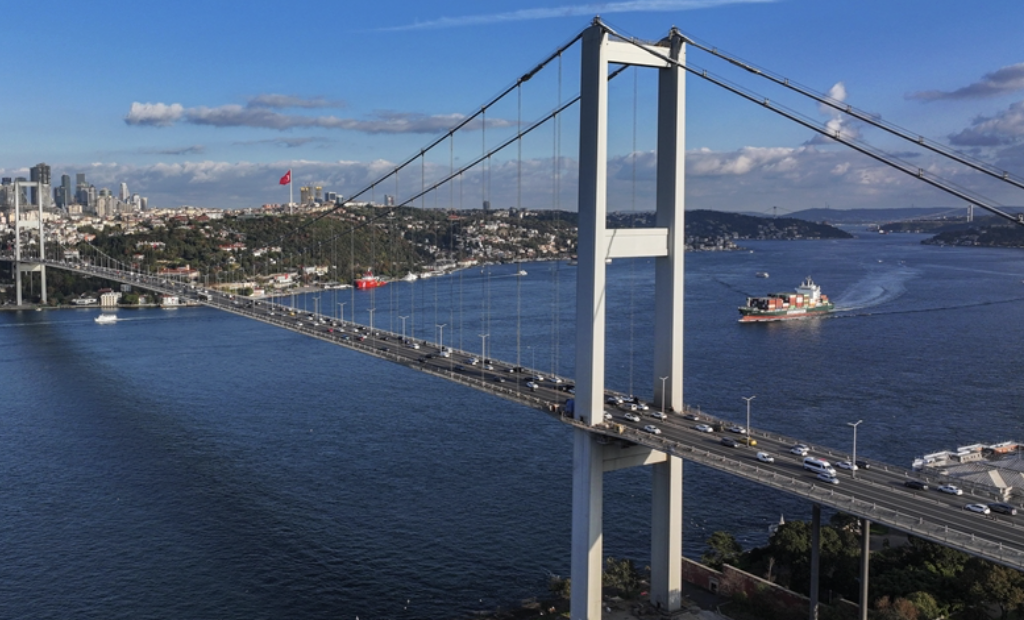 Bosphorus Bridge
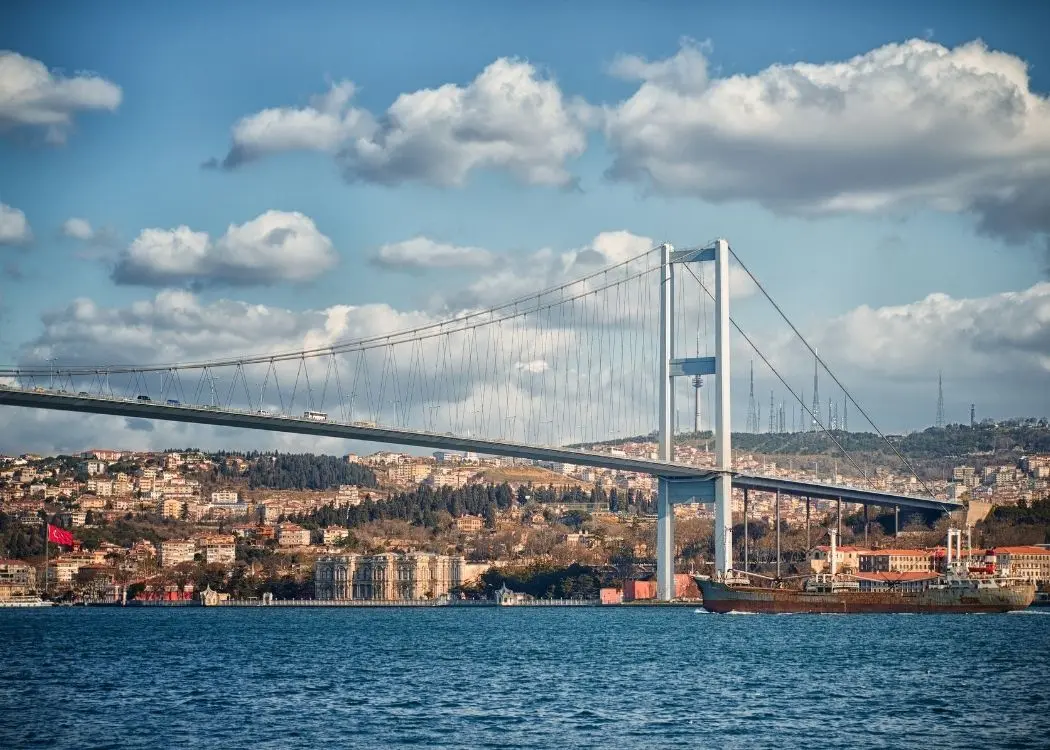
Turkey’s main opposition party has raised fresh concerns about a potential privatization plan for two of Istanbul’s most critical transportation links, warning that the move could lead to sharp toll increases and long-term public losses. Deniz Yavuzyılmaz, Deputy Chair of the Republican People’s Party (CHP), claimed that the government is preparing to privatize the 15 July Martyrs Bridge and the Fatih Sultan Mehmet (FSM) Bridge for a period of 25 years and has already commissioned a foreign firm to conduct a feasibility study.
According to Yavuzyılmaz, the process is being carried out quietly and risks transferring assets that were built with public funds into private hands, with significant consequences for millions of commuters who rely on the bridges daily. His statements were based on official documents prepared by Turkey’s General Directorate of Highways (KGM), which he shared publicly via social media.
Feasibility Study Allegedly Conducted by North American Firm
Yavuzyılmaz stated that the feasibility study for the proposed privatization was commissioned from a North America–based consultancy, BTY Construction Cost Consultants Co. He said this conclusion was drawn from a report titled “2024 Highway Maintenance, Operation, and Toll Collection Costs,” prepared in July 2025 by KGM’s Strategy Development Department.
In his remarks, Yavuzyılmaz accused the government of attempting to “mortgage Turkey’s future,” arguing that outsourcing strategic infrastructure planning to a foreign company raises serious transparency and public-interest concerns. He emphasized that the bridges are not ordinary commercial assets but essential components of Istanbul’s urban mobility and economic life.
Bridges Generate Over $111 Million in Annual Net Revenue
To underline his argument, Yavuzyılmaz released detailed figures on the revenue and expenses of both bridges for 2024, citing official data from the highway authority. The numbers suggest that the bridges are already highly profitable under public operation.
The 15 July Martyrs Bridge reportedly handled more than 72 million vehicle crossings in 2024. It generated $53.9 million in revenue, while operating expenses totaled just $1.76 million, resulting in net annual income of approximately $52.2 million.
The Fatih Sultan Mehmet Bridge, which carried close to 88 million vehicles during the same period, produced $63.2 million in revenue. After deducting expenses of $3.41 million, the bridge delivered a net profit of nearly $59.8 million.
Combined, the two bridges generated a total annual net income of $111.9 million, equivalent to roughly 3.6 billion Turkish lira at current exchange rates. Yavuzyılmaz argued that these figures demonstrate that the bridges are already financially sustainable and do not require privatization to remain viable.
Warning: Toll Fees Could Rise by Up to 100 Percent
One of the most striking warnings in Yavuzyılmaz’s statement concerned the potential impact on toll prices. He noted that traffic volumes on both bridges are already close to capacity, with a combined annual flow of around 160 million vehicles. As a result, he argued, any private operator would have limited room to increase revenue through higher traffic and would instead rely on raising toll fees.
Referring to the privately operated Yavuz Sultan Selim Bridge, where the current toll fee stands at 95 Turkish lira, Yavuzyılmaz suggested that similar pricing logic could be applied to the two publicly operated bridges. He warned that the existing 59 TL toll fee could increase by nearly 100 percent under private management.
He kept the following quote unchanged while explaining the scenario:
“Devletin işlettiği iki köprünün 59 TL olan mevcut araç geçiş ücretine, yaklaşık yüzde 100 oranında zam yapılması bekleniyor.”
Yavuzyılmaz added that if a private company were to offer more than the state’s estimated $2.798 billion in net income over 25 years, the additional cost would likely be passed directly on to drivers through higher tolls.
Estimated Total Rent Reaches $5.6 Billion Over 25 Years
Based on his calculations, Yavuzyılmaz claimed that a scenario involving a 100 percent toll increase would generate a total net revenue of approximately $5.6 billion over 25 years, equivalent to around 243 billion Turkish lira at today’s exchange rate. He described this figure as a massive “rent transfer” from citizens to private operators.
According to Yavuzyılmaz, this projection highlights the imbalance between public interest and private profit. He argued that the bridges’ construction costs were paid years ago through taxpayer money and that continued public operation would ensure revenues remain within the public budget rather than flowing to private entities.
“Privatizing Paid-Off Bridges Is a Betrayal,” Says Yavuzyılmaz
In his final remarks, Yavuzyılmaz used strong language to criticize the alleged plan, stating that privatizing bridges already paid for by citizens amounts to a betrayal of the public. He called on the government to immediately abandon any privatization initiative involving the two bridges and to make all related studies and negotiations transparent.
While the government has not publicly confirmed the claims, the allegations have reignited debate over infrastructure privatization, toll pricing, and public accountability in Turkey. If proven accurate, the proposal could have wide-reaching economic and social implications for Istanbul’s residents and the country’s broader transportation policy.
Related articles
Turkey Revives Multibillion-Dollar Privatization Plan for Istanbul Bridges and Highways
CHP Warns of Hidden 130% Electricity Hike on Apartment Common Areas Starting 2026
CHP Lawmaker Alleges New Highway Privatization Plan: “This Is Theft”