‘Made in Europe’ Push Raises Alarm for Türkiye’s Automotive and Industrial Base
 made in europe
Summary:
The European Union’s proposed “Made in Europe” industrial strategy is raising concerns in Türkiye over the country’s future role in Europe’s production chains. Analysts warn that if Ankara is excluded from the initiative, key sectors such as automotive, steel and energy-intensive manufacturing could face significant competitive losses, intensifying pressure for long-delayed economic and political reforms.
EU Industrial Strategy Creates New Uncertainty for Türkiye
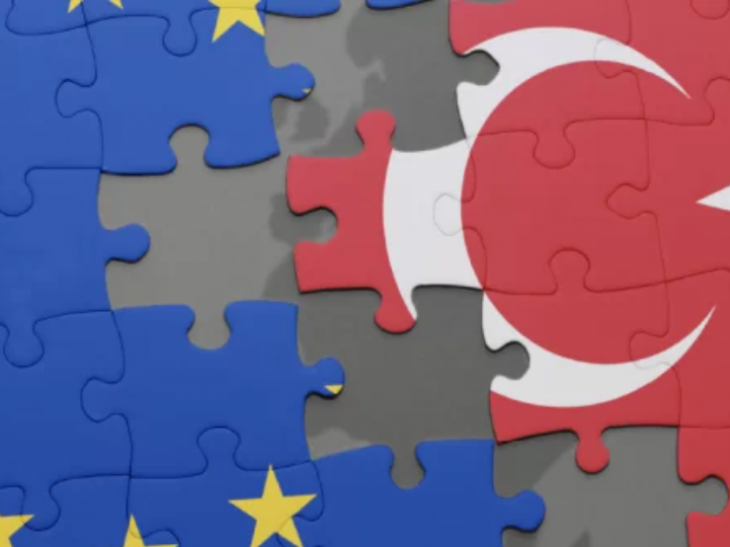
The European Union’s efforts to strengthen its global competitiveness through a new “Made in Europe” strategy have introduced a fresh source of uncertainty for Türkiye, its largest trading partner.
The initiative, designed to boost domestic European production, is expected to be discussed at the EU Council this week. Draft proposals reportedly include requirements that up to 70% of a product’s content must originate within Europe. The threshold would apply across a broad range of industries, from electric vehicles and battery cells to green energy technologies, steel and textiles.
For Türkiye, the issue goes beyond trade mechanics. Analysts say the country now faces a strategic crossroads between securing its position within Europe’s industrial ecosystem or being gradually pushed to the margins of regional supply chains.
Strategic Sectors at Risk
If Türkiye falls outside the “European content” definition, questions arise over how deeply its strategic industries would be affected, whether the EU-Türkiye Customs Union would offer any legal or political protection, and what policy roadmap Ankara should pursue.
Industry specialists warn that the consolidation of supply chains within EU borders could weaken Türkiye’s competitiveness in sectors that have long been integrated with European manufacturing networks.
‘The Cost of Being Unprepared Would Be High’
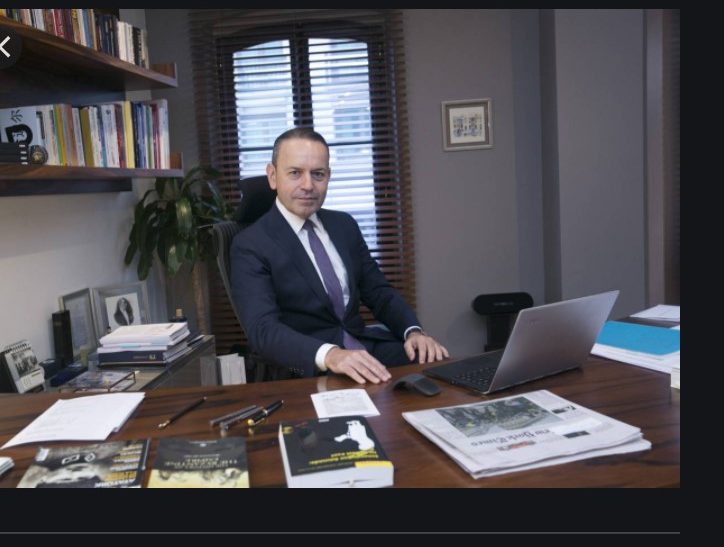
Bahadır Kaleağası, President of the Paris Bosphorus Institute, says the debate reflects a broader shift in global paradigms, where geopolitics now encompasses supply chains, technology and climate security alongside traditional military considerations.
“In an era shaped by finance, technology and social dynamics, short-term protectionist policies by the EU would have very negative consequences for Türkiye,” Kaleağası said. He noted that while the EU continues to operate the world’s most extensive network of trade agreements, Türkiye’s Customs Union — negotiated under 1990s conditions — has become outdated.
“To strengthen our negotiating position, Türkiye must urgently accelerate domestic economic and political reforms,” he said. “The cost of being caught unprepared would be heavy, with consequences capable of shaking the economy.”
Automotive Sector Seen as Most Exposed
Sinan Ülgen, Director of the Istanbul-based think tank EDAM, argues that the Customs Union could still provide Türkiye with certain political and legal advantages and that the initiative should be evaluated within World Trade Organization rules.
However, he cautioned that without safeguards, Türkiye would face a serious competitive disadvantage in energy-intensive sectors such as automotive manufacturing, iron and steel, aluminium, cement and construction materials.
The automotive industry appears particularly vulnerable. Türkiye ranks second among EU vehicle import partners and third in vehicle exports to the bloc, underscoring its deep integration with Europe’s auto supply chain.
Industry Voices Warn of Structural Break
Former Renault Group Türkiye CEO Hakan Doğu highlighted the scale of the challenge in a post on social media.
“Being pushed out of a market that has been integrated with European automotive production since 1996 is not something that can be accepted lightly,” Doğu wrote. “But an irreversible path may already be unfolding. Türkiye now needs to write a new story.”
Industry representatives say the coming months will be critical in determining whether Türkiye can maintain its role as a manufacturing hub closely tied to Europe, or whether it will need to recalibrate its industrial and trade strategy in response to a more inward-looking EU.
Source: Domestic reporting, expert commentary
PA Turkey intends to inform Turkey watchers with diverse views and opinions. Articles on our website may not necessarily represent the view of our editorial board or count as endorsement.
Follow our English YouTube channel (REAL TURKEY):
https://www.youtube.com/channel/UCKpFJB4GFiNkhmpVZQ_d9Rg
Twitter: @AtillaEng
Facebook: Real Turkey Channel – https://www.facebook.com/realturkeychannel/