



Nipah Virus Outbreak in India Sparks Airport Screenings Across Asia
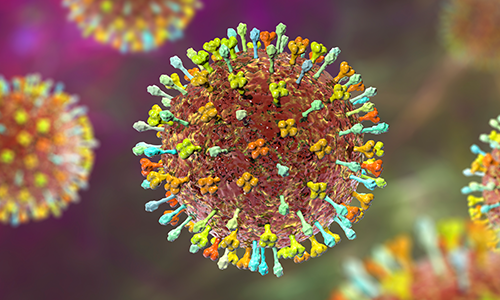 Nipah-Virus
An outbreak of the Nipah virus in India has raised fresh public health concerns across Asia, prompting several countries to introduce enhanced airport screening measures for travelers arriving from affected regions. The response reflects growing regional vigilance around a virus the World Health Organization (WHO) has repeatedly warned could trigger a serious epidemic if left unchecked.
Health authorities in India’s West Bengal state have confirmed two Nipah virus cases since December, both reportedly involving healthcare workers. According to India’s health ministry, 196 individuals who came into close contact with infected patients have been traced and tested, with all results so far returning negative. While officials say the situation is under control, neighboring countries are taking no chances.
Asian Countries Tighten Border Health Controls
Thailand is among the first nations to act, launching screening protocols at three major airports that receive direct or connecting flights from West Bengal. At Bangkok’s Suvarnabhumi Airport, Thai health officials wearing protective masks have been seen monitoring passengers arriving from international flights, underscoring the seriousness of the response.
Nepal has followed suit by beginning health screenings at Kathmandu’s international airport and at multiple land border crossings with India. Authorities there have cited the porous nature of land travel and regional mobility as key risk factors in the potential spread of infectious diseases.
Public health experts say these preventive steps are critical, especially given the virus’s high fatality rate and lack of approved medical countermeasures.
What Is the Nipah Virus?
The Nipah virus is a zoonotic disease, meaning it can be transmitted from animals to humans. Fruit bats are considered the natural hosts, while pigs have historically acted as intermediate carriers in some outbreaks. Humans can become infected through direct contact with infected animals, consumption of contaminated food, or via person-to-person transmission, particularly in healthcare settings.
The virus has gained global attention due to its deadly nature, with fatality rates ranging between 40% and 75%, depending on the outbreak and quality of medical care available. Unlike many other viral diseases, there is currently no approved vaccine or antiviral treatment for Nipah virus infections.
Because of these factors, the WHO has listed Nipah among its top ten priority diseases, alongside threats such as Covid-19 and Zika, citing its epidemic potential and the urgent need for research and preparedness.
Symptoms and Incubation Period
The incubation period for the Nipah virus typically ranges from four to 14 days, although longer periods have been reported in rare cases. This window complicates containment efforts, as infected individuals may travel or interact with others before showing symptoms.
Symptoms vary widely. Some infected individuals may remain asymptomatic, while others develop flu-like signs, including fever, headaches, muscle pain, vomiting, and sore throat. In more severe cases, patients may experience drowsiness, altered consciousness, and pneumonia, indicating respiratory involvement.
One of the most dangerous complications of the virus is encephalitis, a condition characterized by inflammation of the brain. Encephalitis can lead to seizures, coma, and death, making early detection and supportive care crucial.
Why Authorities Are Concerned
Health officials emphasize that Nipah virus outbreaks are unpredictable, often emerging sporadically and spreading rapidly in close-contact environments such as hospitals. The recent cases in West Bengal involving healthcare workers have heightened anxiety, as they point to possible human-to-human transmission, one of the most feared aspects of the virus.
While India’s health ministry reports that all known contacts have tested negative so far, epidemiologists caution that continued surveillance is essential, especially in densely populated regions and areas with frequent cross-border travel.
Airport screenings, though not foolproof, are seen as a first line of defense. They help identify symptomatic travelers early and raise public awareness about the risks, symptoms, and need for immediate medical attention if illness develops after travel.
No Cure, Only Prevention
To date, no drugs or vaccines have been approved to treat or prevent Nipah virus infections. Medical care remains largely supportive, focusing on symptom management and prevention of complications. This reality underscores the importance of early detection, isolation, and contact tracing as the primary tools for outbreak control.
Global health agencies continue to call for increased investment in research, improved surveillance systems, and stronger international cooperation to address diseases with pandemic potential, such as Nipah.
As Asia watches developments in India closely, the current outbreak serves as a reminder that emerging infectious diseases remain a constant global threat, requiring vigilance, transparency, and rapid response to prevent wider spread.