



Turkey’s New Tobacco Law Could Remove Cigarettes From Store Shelves and Public Parks
 Turkey-no-smoking-law
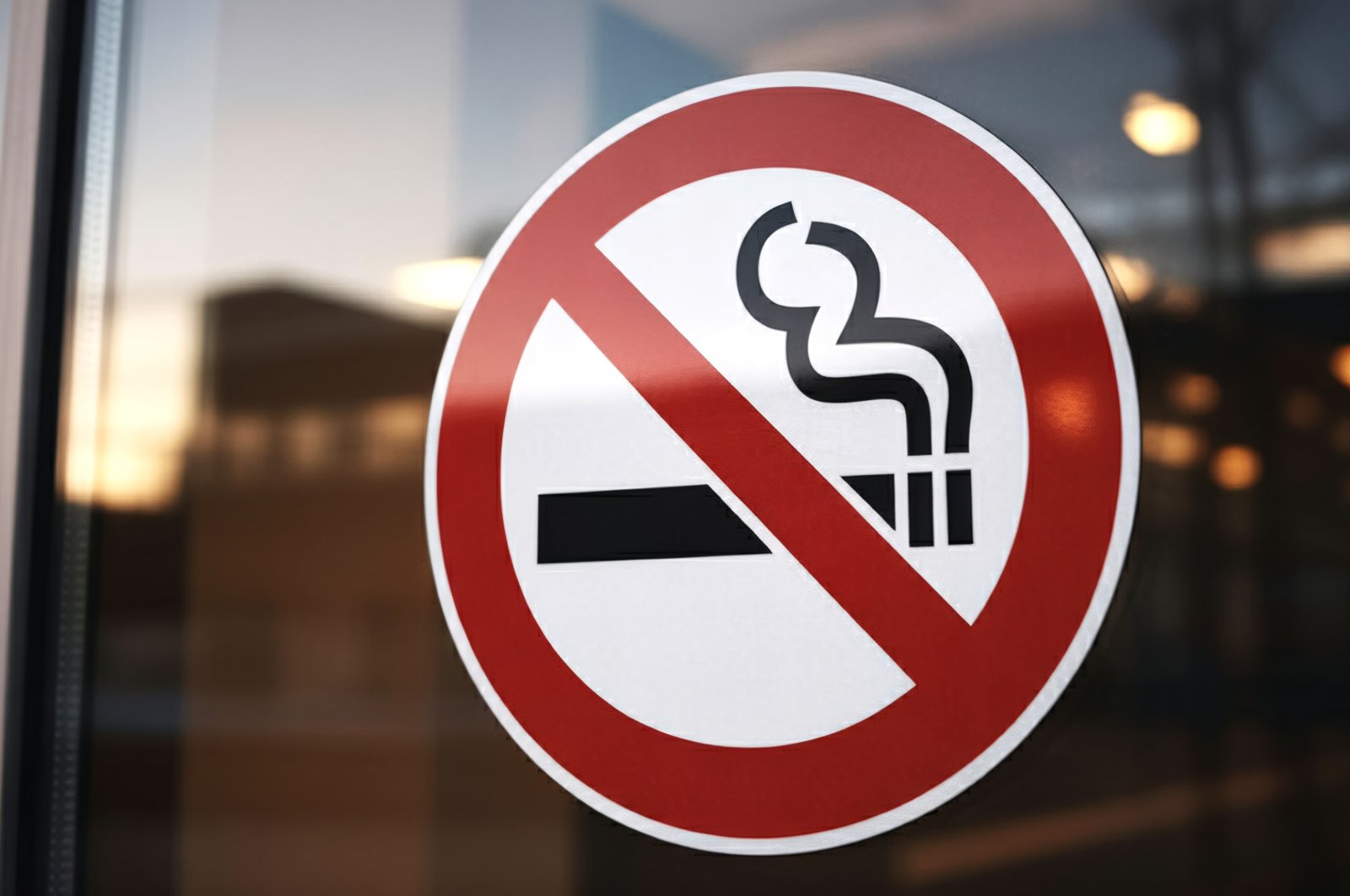
Turkey’s Ministry of Health is preparing to introduce one of the most far-reaching tobacco control laws in the country’s history. The comprehensive draft legislation, now in its final stage, aims to fundamentally reduce the visibility of tobacco products in everyday life. Once enacted, cigarette packs will no longer be displayed on market shelves, and smoking in parks, gardens, and children’s play areas will face significantly stricter oversight.
The proposed regulation is part of a broader public health strategy designed to protect society at large, with a particular emphasis on preventing young people from developing tobacco dependence. Health officials argue that reducing the social visibility of smoking is as critical as restricting access, especially for children and adolescents who are more vulnerable to behavioral imitation.
Eliminating the Social Visibility of Smoking
At the core of the draft law lies a clear objective: to remove tobacco from public sight as much as possible. Policymakers believe that cigarettes have long benefited from passive exposure, whether through store displays or casual use in family-friendly public spaces. The new framework seeks to reverse that dynamic by making tobacco products far less noticeable in daily routines.
The Ministry of Health views this approach as a cultural intervention rather than merely a regulatory one. By minimizing visual cues associated with smoking, authorities hope to weaken the normalization of tobacco use and reinforce the perception of smoking as a health risk rather than a social habit.
The Start of the “Hidden Sales” Era in Markets
One of the most striking components of the draft law concerns how cigarettes are sold in retail environments. According to details obtained by Habertürk, the familiar sight of cigarette packs displayed behind checkout counters will soon disappear.
Under the new rules, tobacco products will be stored in fully closed cabinets that are not visible from outside. Customers will no longer be able to see brand logos, packaging designs, or product names while standing at the counter. This effectively ends what public health experts refer to as “point-of-sale advertising,” where visibility alone can influence purchasing decisions.
By removing visual exposure, lawmakers aim to reduce impulse purchases and prevent brand recognition from forming at an early age. Retailers will still be allowed to sell tobacco products, but the transaction will occur without any promotional or visual elements, fundamentally changing the consumer experience.
Protecting Children Through Smoke-Free Public Spaces
Another central pillar of the draft legislation focuses on public outdoor areas, especially those frequented by children. The Ministry of Health has identified parks, playgrounds, and public gardens as environments where smoking behavior can have a strong indirect influence on minors.
The new proposal introduces tighter regulations on tobacco use in these spaces. In parks and gardens, smoking will either be heavily restricted or managed in a way that completely removes it from children’s view. The intention is not only to limit secondhand smoke exposure but also to eliminate the role-model effect of adults smoking in shared family spaces.
Zero Tolerance Around Playgrounds
Children’s play areas are set to receive the highest level of protection under the new framework. Even though these spaces are outdoors, the draft law treats them as sensitive zones where child health takes precedence over smoking freedoms.
Existing regulations will be revised to reflect a “zero tolerance” approach when children are present. Authorities emphasize that open air does not fully eliminate the health risks associated with tobacco smoke, nor does it neutralize the behavioral impact of witnessing smoking at a young age. The updated rules are designed to create environments where children can play without exposure to either direct smoke or smoking behavior.
A Public Health Strategy, Not a Punitive One
Officials stress that the goal of the legislation is not to stigmatize smokers, but to reshape social norms around tobacco use. By limiting visibility and redefining acceptable spaces for smoking, the government aims to support long-term reductions in smoking rates without relying solely on fines or penalties.
This approach aligns with global public health trends, where countries increasingly focus on environmental and behavioral factors in tobacco control. Studies consistently show that reduced exposure to tobacco imagery is linked to lower initiation rates among young people.
What Comes Next
With the draft now finalized, the next step will be legislative review and, if necessary, parliamentary approval. If passed, the regulation will mark a significant turning point in Turkey’s tobacco policy, placing it among countries that prioritize visibility reduction as a core anti-smoking strategy.