



Water Crisis Paused, Not Solved: Istanbul Dams Still at Risk
 Istanbul Drought
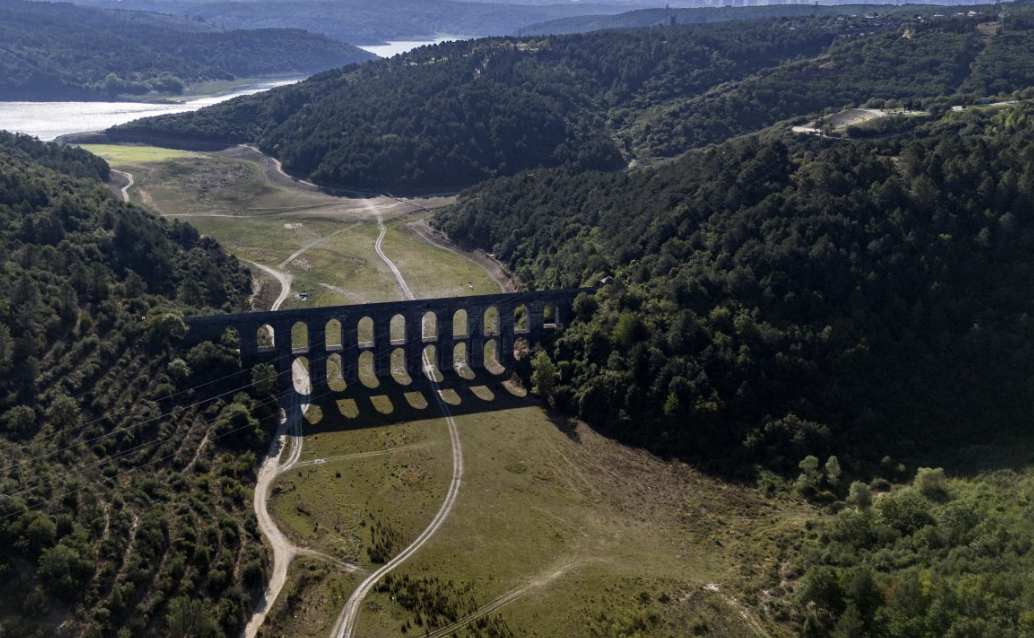
New data released by İSKİ (Istanbul Water and Sewerage Administration) shows a modest recovery in Istanbul’s reservoir levels after weeks of drought, offering limited relief for Turkey’s largest city while underscoring that water stress remains a serious concern. Although January rainfall has halted the sharp decline seen in late autumn, overall storage levels are still far below safe thresholds.
As of January 26, the average reservoir occupancy rate across Istanbul reached 27.14%, according to official figures. This marks a noticeable improvement from January 12, when levels had fallen to 22.01%, signaling one of the weakest readings of the season. The roughly 5-point increase over two weeks reflects the impact of long-awaited rainfall, yet experts warn the recovery remains fragile.
Rainfall Brings Relief — But Not Security
The latest figures confirm that precipitation in January has begun replenishing the basins supplying Istanbul’s water system. After a dry November and December that sharply depleted reserves, recent rainfall has slowed the downward trend and reversed it slightly.
Despite this improvement, reservoir levels remain well below historical averages for this time of year. With winter nearly halfway through, the current figures suggest that sustained rainfall will be required in the coming months to avoid renewed water stress ahead of summer.
Sharp Imbalances Across Reservoirs
One of the most striking aspects of İSKİ’s data is the uneven distribution of water across Istanbul’s reservoirs. While some basins show relatively healthy levels, others remain critically low.
The Elmalı Reservoir, located on Istanbul’s Asian side, continues to stand out as the city’s strongest water source, with a filling rate of 80.55%, making it the most resilient reservoir in the system.
At the opposite extreme, the Kazandere Reservoir, situated in the Kırklareli region, has dropped to a dangerously low 4.84%, placing it on the brink of drying out. This stark contrast highlights the vulnerability of certain basins to prolonged dry conditions.
Reservoir Levels as of January 26
According to İSKİ’s latest report, the current status of Istanbul’s ten main reservoirs is as follows:
Elmalı: 80.55%
Darlık: 45.77%
Ömerli: 39.17%
Istrancalar: 38.30%
Alibey: 22.02%
Büyükçekmece: 18.62%
Terkos: 16.79%
Sazlıdere: 16.29%
Pabuçdere: 7.55%
Kazandere: 4.84%
While reservoirs such as Darlık, Ömerli, and Istrancalar remain above the citywide average, several key basins — including Terkos, Sazlıdere, and Büyükçekmece — are still hovering below 20%, reinforcing concerns over supply sustainability.
Water Outlook Remains Fragile
Although the recent uptick has eased immediate fears, officials and analysts caution that 27% occupancy is still considered a risk zone for a megacity of Istanbul’s size. Without consistent rainfall through late winter and early spring, reservoirs could again face rapid depletion as consumption rises.