



Turkey’s Domestic Energy Drive Accelerates: Natural Gas to Reach 17 Million Homes by 2028
 gas
gas
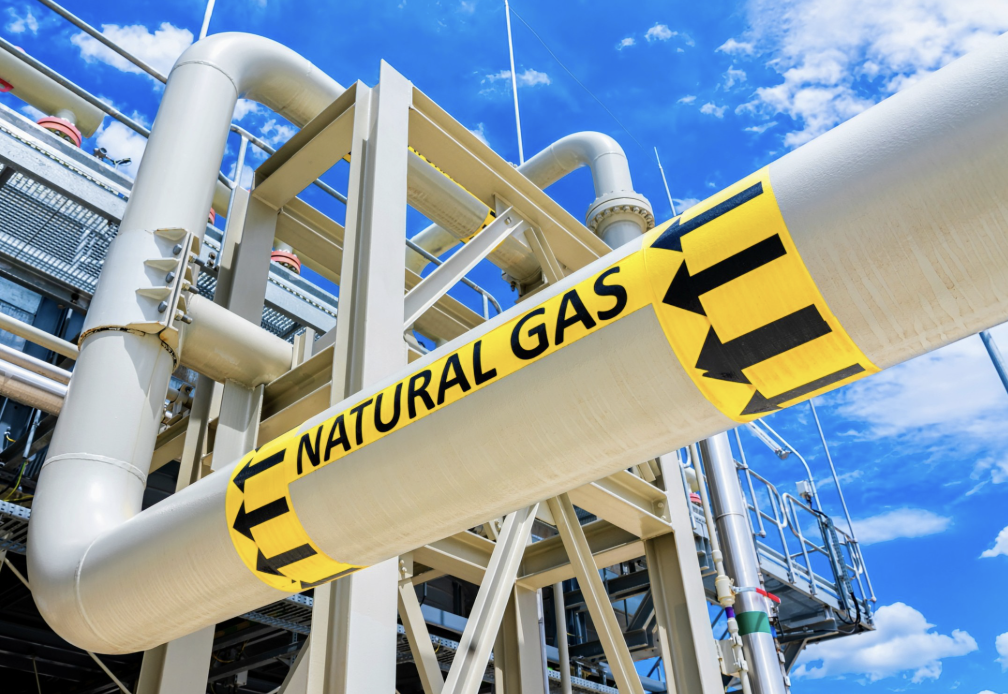
Turkey is rapidly reshaping its energy landscape, with domestic natural gas production emerging as a central pillar of the country’s long-term strategy for economic resilience and energy independence. Speaking at a major public housing lottery event in Manisa, Energy and Natural Resources Minister Alparslan Bayraktar outlined ambitious milestones that aim to significantly reduce Turkey’s reliance on imported energy while expanding social housing and infrastructure nationwide
According to Bayraktar, 4 million households are currently using domestically produced natural gas, a figure expected to double to 8 million homes by 2026. The long-term target is even more striking: by 2028, Turkey plans to supply 17 million households with its own natural gas, a level that would cover a substantial share of national residential demand. These projections are closely tied to discoveries in the Black Sea and continued investment in upstream and distribution infrastructure.
From Imported Energy to Domestic Production
For decades, Turkey relied heavily on imported natural gas from countries such as Russia, Azerbaijan, Iran, Algeria, and Nigeria. This dependency exposed the economy to external price shocks and geopolitical risks. Bayraktar recalled that shift in thinking began after 2016, when Turkey committed to exploring its own resources using domestically owned drilling vessels and seismic ships.
That strategy paid off in 2020, when Turkey announced its largest-ever natural gas discovery in the Black Sea, located roughly 170 kilometers offshore at a depth of 2,000 meters. The gas was brought ashore, processed, and integrated into the national grid. Today, that discovery underpins the current supply serving millions of households and forms the backbone of future expansion plans.
Bayraktar emphasized that these developments are a key part of the broader “Türkiye Century” vision, which aims to transform Turkey into a more self-sufficient, competitive, and resilient economy. Energy independence, he stressed, is inseparable from economic strength.
Expanding Access: Natural Gas Across All 81 Provinces
Beyond production, Turkey has focused heavily on distribution. Since 2002, the natural gas network has expanded from just five provinces to all 81 provinces, reaching more than 960 settlements nationwide. Bayraktar noted that Manisa, which once lacked access to natural gas, is now fully connected, with the final remaining district, Köprübaşı, scheduled to receive natural gas services by February.
Over the past 23 years, Turkey has laid approximately 240,000 kilometers of natural gas pipelines, extending supply not only to residential neighborhoods but also to organized industrial zones, supporting manufacturing and employment growth. The expansion has significantly improved household comfort, reduced pollution, and lowered long-term heating costs.
Housing, Infrastructure, and Energy Go Hand in Hand
The minister’s remarks came during the “Ev Sahibi Türkiye” (Homeowner Turkey) housing lottery, organized by the Housing Development Administration (TOKİ). The project is part of a broader plan to build 500,000 new homes, with priority given to first-time buyers, young people, retirees, people with disabilities, and families of martyrs and veterans.
Bayraktar highlighted TOKİ’s track record, noting that over 1.75 million housing units have been built nationwide in the last 23 years, including 455,000 earthquake-resistant homes delivered in less than three years following recent disasters. He stressed that energy infrastructure is an inseparable component of these projects.
“Because 500,000 homes need electricity. What else do they need? Natural gas,” Bayraktar said, underlining that new housing developments will be delivered with fully completed electricity, gas, and lighting infrastructure, as was done successfully in post-earthquake reconstruction efforts.
Oil Production and Broader Energy Independence
Natural gas is not the only focus of Turkey’s domestic energy push. Bayraktar also pointed to major oil discoveries in the Gabar region, once associated with insecurity and conflict. Since 2021, production there has reached 80,000 barrels per day, and the crude is considered among the highest-quality produced domestically.
Today, around 3,600 workers are employed in the region, contributing to both local development and national energy supply. Bayraktar argued that these projects demonstrate how energy investments can transform regions economically and socially, particularly in a future free from terrorism and instability.
Energy Subsidies and Economic Support
Addressing cost-of-living pressures, Bayraktar reiterated that the state continues to subsidize energy bills. Currently, the government covers approximately 45% of households’ natural gas bills and nearly 50% of their electricity bills. Between 2023 and 2024, total energy subsidies reached 1 trillion Turkish lira, a scale of support that, according to the minister, is only possible with a strong public treasury.
He framed these subsidies as a temporary but necessary measure to protect citizens while domestic energy production expands and long-term costs decline.
A Long-Term Vision
Bayraktar concluded by emphasizing continuity and public trust, calling on citizens to support ongoing projects aimed at making Turkey stronger, more self-reliant, and more resilient. With domestic natural gas production scaling up, nationwide distribution nearing completion, and large-scale housing projects underway, energy policy is poised to be a cornerstone of Turkey’s economic and social development in the years ahead.
Related articles
Economic Coordination Board Sets 2026 Roadmap, Vows Firm Fight Against Inflation
Turkey to Introduce Tiered Natural Gas Pricing in 2026
Türkiye’s Economy Coordination Board Highlights Inflation Drop, Housing Supply Measures, and Energy Security