ANALYSIS | As the Syrian Map Shifts, Where Does Turkish Public Opinion Stand?
 syria-kurds
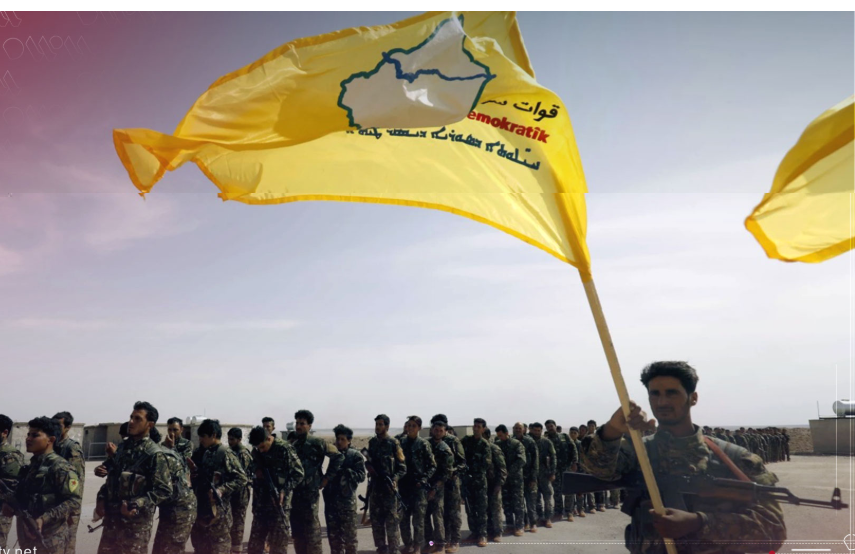
The swift collapse of the AANES structure and the retreat of SDF forces toward Hasakah in early 2026 have sent shockwaves through Turkish society. Latest polling data from January 2026 reveals a nation divided between a sense of strategic triumph and growing concerns over long-term domestic social cohesion.
ISTANBUL – The geopolitical earthquake in Syria, which saw the decade-long Kurdish-led autonomous administration lose nearly 80% of its territory in a matter of weeks, has reshaped the political discourse in Ankara. As the newly formed transitional government under Ahmad al-Sharaa consolidates power in Damascus, Turkish public opinion is grappling with the ramifications of a Syria without a dominant “Kurdish corridor.”
According to the latest data from the IstanPol Institute and ASAL Research conducted in the third week of January 2026, the Turkish public’s reaction is characterized by a complex mix of nationalist vindication and humanitarian anxiety.
A Strategic Victory or a New Power Vacuum?
For a significant portion of the Turkish electorate, the dismantling of the AANES (Autonomous Administration of North and East Syria) is viewed as the ultimate validation of Turkey’s decade-long military and diplomatic pressure.
The January 2026 “Foreign Policy Perception” report indicates that 57.6% of Turkish citizens view the recent map changes as a major victory for Turkey’s national security. The narrative that the “terror corridor” has been permanently severed resonates deeply with voters from the ruling People’s Alliance, where support for the current interventionist policy remains as high as 85%.
However, the question of political representation for Syrian Kurds remains a polarizing flashpoint:
-
Opposition to Kurdish Autonomy: 48.7% of respondents believe that the YPG-linked SDF should have no seat at the negotiation table for the new Syrian Constitution.
-
Support for Constitutional Rights: Conversely, 35.8%—largely comprised of pro-Kurdish DEM Party voters and urban liberals—argue that excluding Kurds from the new administration will only sow the seeds of a future insurgency.
Turkish Parliament Commission Advances Cross-Party Peace and Democracy Report
The “Stay or Leave” Dilemma for the TSK
With the Syrian National Army (SNA) and the new Damascus administration taking control of former SDF strongholds like Raqqa and Deir ez-Zor, the Turkish public is now debating the future of the Turkish Armed Forces (TSK) presence in the region.
The polls show a nation split down the middle: 44.2% believe the TSK should maintain its “Observation Points” and buffer zones to ensure the safe return of refugees, while 41.4% argue that since the “YPG threat” has been neutralized, Turkish troops should return home immediately to alleviate the economic burden of the occupation.
Domestic Fallout: The “Emotional Disconnect”
While the headline figures suggest a nationalist surge, a deeper dive into the demographics reveals a growing “emotional disconnect” within Turkey. In the predominantly Kurdish southeastern provinces, the mood is starkly different from the rest of the country.
Field research conducted in mid-January shows that 65% of citizens in cities like Diyarbakır and Mardin express “grave concern” for the safety of their kinsmen across the border. The perceived “abandonment” of Syrian Kurds by the international community—and Turkey’s role in that process—has caused a 5-point dip in social cohesion indices compared to late 2025.
This internal friction poses a significant challenge to the government’s “Grand Peace” initiative, as nationalist segments view the Syrian collapse as a prerequisite for peace, while Kurdish segments view it as a betrayal of regional identity.
Public Sentiment Overview (January 2026)
| Key Metric | Support/Positive (%) | Oppose/Negative (%) |
| Dismantling of the SDF/YPG | 58% | 32% |
| Normalization with New Damascus Govt | 52% | 28% |
| Continued TSK Presence in Syria | 44.2% | 41.4% |
| Trust in Refugee Repatriation Plans | 72% | 15% |
The “Refugee Dividend”
The single most unifying factor in the January polls is the expectation of refugee returns. An overwhelming 72% of Turks believe that the recent territorial shifts finally provide a “safe and dignified” window for the 3.5 million Syrians in Turkey to go home. For the average voter, the collapse of the Kurdish administration is less about ethnic politics and more about the hope that the “temporary protection” era is finally coming to an end.
As the snow melts in the Taurus mountains and the spring of 2026 approaches, the Turkish government faces the delicate task of turning this “geopolitical win” into a sustainable domestic peace—a task that the polls suggest will be much harder than the military victory itself.
Related articles
COMMENTARY: Did the DEM Party Fumble the Peace Process?

UPDATE: Syrian President Issues Decree Guaranteeing Kurdish Rights as SDF Withdraws East of the Euphrates
CHP Surges Ahead Among Women Voters: ORC Poll