Smartphone Prices in Turkey May Rise Soon
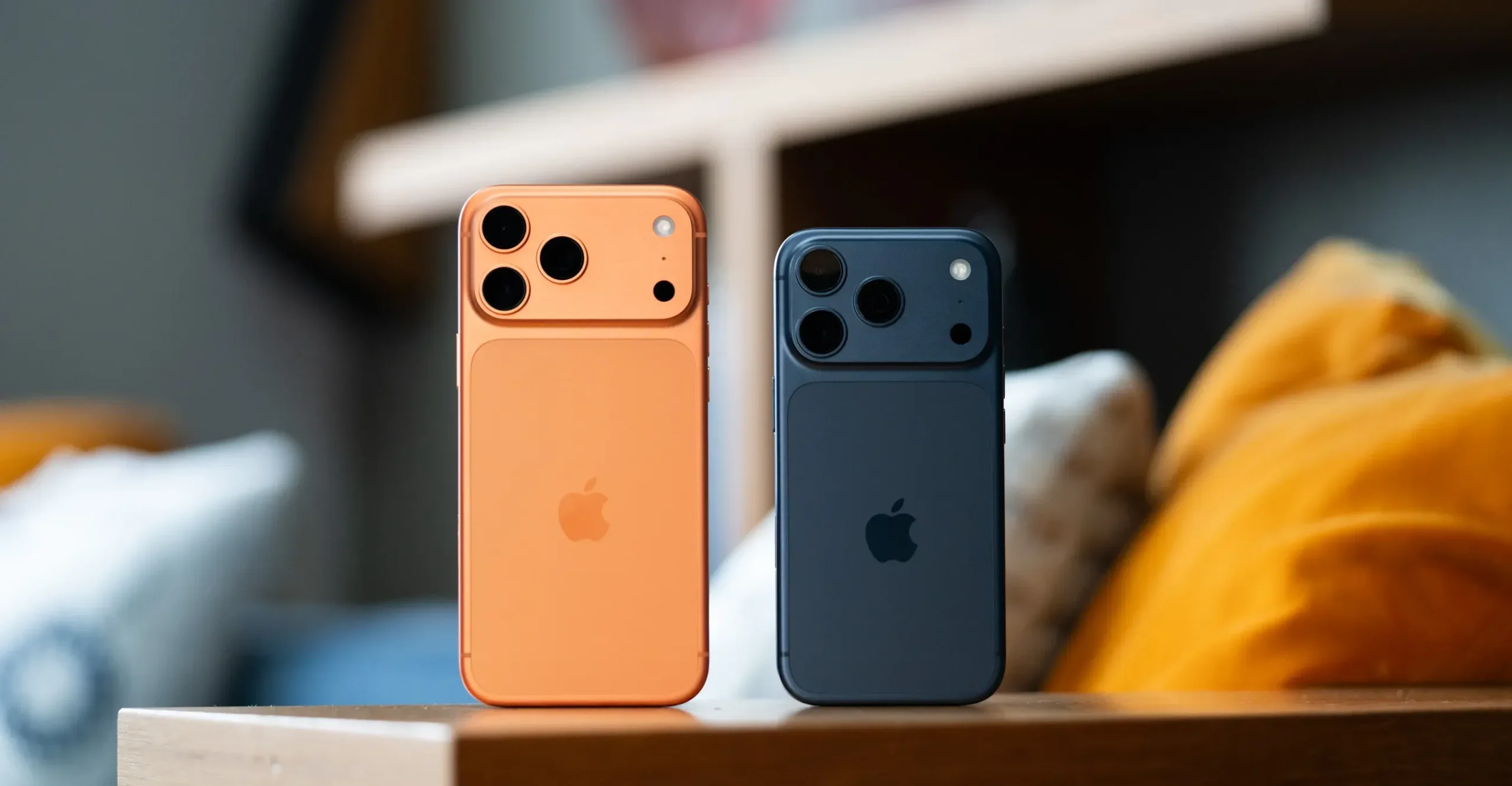 iphone-17-pro-pro-max
Turkey’s telecommunications sector is bracing for potential price increases in mobile phones amid exchange rate volatility and rising input costs, intensifying pressure on import-dependent products. According to industry representatives, while no official price hike has yet been announced, current market dynamics are making upward price revisions increasingly likely, particularly for premium smartphones such as Apple’s iPhone models.
The warning comes from Mustafa Kemal Turnacı, President of the Mobile Communication Devices and Information Technologies Businessmen Association (MOBİSAD), who emphasized that sustained currency fluctuations and higher operational costs are forcing companies to reassess their pricing strategies.
Currency Volatility Drives Cost Pressures
Speaking on recent developments, Turnacı highlighted that technology products relying heavily on imports are directly exposed to exchange rate movements. The rise in the US dollar against the Turkish lira has increased procurement costs, while additional operational expenses have further strained profit margins across the sector.
According to Turnacı, these pressures are difficult to absorb indefinitely without adjusting retail prices. Even if current macroeconomic conditions remain stable, industry sources note that import costs alone are sufficient to trigger price increases in the near term.
Sector insiders underline that manufacturers and distributors are closely monitoring currency trends before taking concrete steps, but warn that prolonged volatility may leave little room for delay.
Premium Smartphones Face Higher Risk
Market assessments suggest that any potential price increases will be most pronounced in imported devices, particularly within the premium smartphone segment. High-end models, which are typically priced directly in line with foreign exchange rates, are especially vulnerable to currency-driven cost increases.
Among these, Apple’s iPhone lineup is expected to be hit hardest. Due to Apple’s global pricing structure and limited local cost buffers, even modest exchange rate movements can translate into noticeable price adjustments at the retail level.
Industry analysts note that premium devices already sit at the upper end of consumer affordability in Turkey. Additional price increases could further narrow demand, pushing consumers toward older models, refurbished devices, or alternative brands.
Pricing Pressure Goes Beyond Exchange Rates
Sector representatives also stress that currency movements are not the only factor affecting smartphone prices. Existing regulatory and fiscal measures continue to exert significant pressure on the market.
High special consumption taxes, rising IMEI registration fees, and ongoing installment payment restrictions have already constrained consumer demand and limited purchasing power. These factors have contributed to a contraction in the smartphone market, particularly for new and high-priced models.
Experts warn that when these structural pressures are combined with exchange rate volatility, the likelihood of a broader pricing adjustment increases significantly. For distributors, maintaining current price levels under these conditions may no longer be sustainable.
Consumers Watching the Market Closely
As uncertainty grows, consumers are closely tracking both new model launches and developments in the foreign exchange market. Many buyers are delaying purchase decisions in hopes of price stability, while others are accelerating purchases amid fears of imminent hikes.
Industry observers note that this wait-and-see behavior is adding to market volatility, as demand patterns become increasingly sensitive to currency movements and policy signals.
Outlook for the Coming Period
While no immediate price hike has been formally confirmed, sector representatives agree that the risk of higher smartphone prices is rising. If exchange rate pressures persist and cost increases continue, retailers may have little choice but to pass these changes on to consumers through shelf prices.
For now, the telecommunications sector remains cautious but alert. The coming months are expected to be critical in determining whether currency stabilization measures can ease pricing pressure, or whether Turkish consumers should prepare for more expensive smartphones—especially in the premium segment.