Trump: I like Kurds, BUT….
 trump
trump
Trump Signals Shift in Northeast Syria as Integration Talks Stumble and ISIS Jailbreaks Loom
DIKEN, Istanbul: President Donald Trump has signaled a transactional shift in the United States’ relationship with the Syrian Democratic Forces (SDF), even as northeast Syria teeters on the edge of renewed chaos following a series of prison breaks and a breakdown in “integration” talks between Kurdish leadership and the Syrian transitional government.
Trump: “We Paid the Kurds Tremendous Amounts”
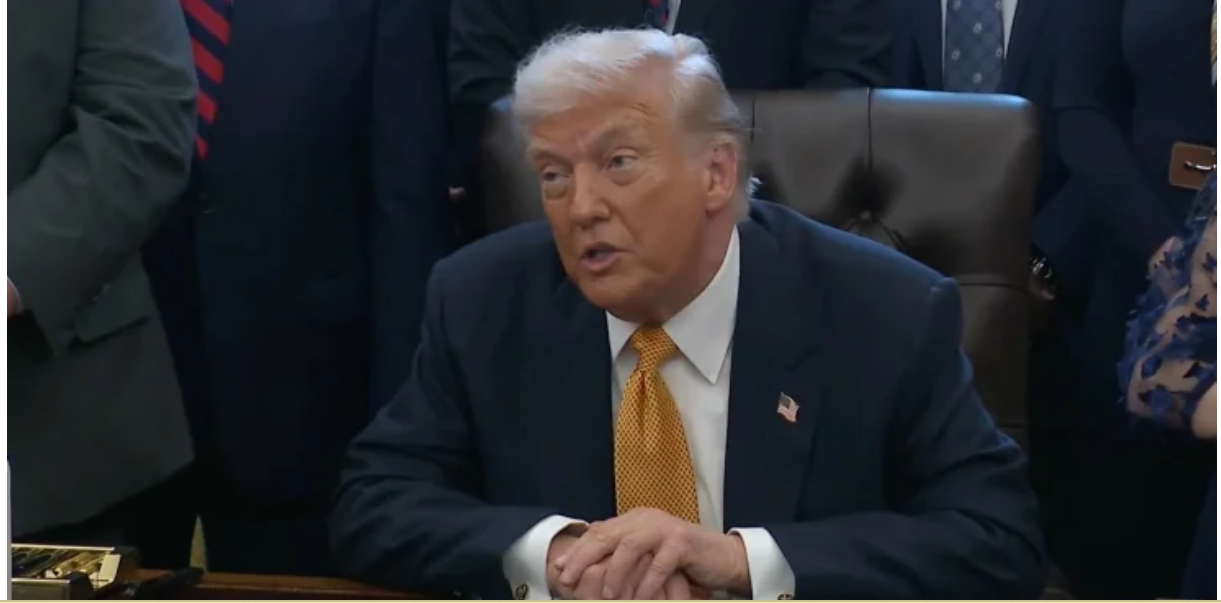
Speaking at a White House press conference on January 21, 2026, President Trump offered a blunt assessment of the U.S. partnership with Kurdish forces. While expressing a personal affinity for the group, he emphasized the financial and material costs of the alliance.
“I like the Kurds, but the Kurds were paid tremendous amounts of money, they were given oil and other things,” Trump stated. “So, whatever they did, they did it mostly for themselves. But we get along with the Kurds and we are trying to protect them.”
The President’s comments coincide with a notable shift in American diplomatic rhetoric. Tom Barrack, the U.S. Ambassador to Ankara, recently suggested that the SDF’s primary role as the lead force against ISIS has “largely expired.” Barrack noted that the transitional government in Damascus, led by Interim President Ahmed Shara, is now “both willing and able” to assume security obligations, including the control of ISIS detention centers.
Failed Integration and Resurgent Violence
The diplomatic shift in Washington comes at a critical moment on the ground. Despite a ceasefire agreement announced on January 18, 2025, high-level talks between Ahmed Shara and SDF Commander Mazlum Abdi have reportedly reached an impasse.
Sources close to the SDF indicate that the central government in Damascus is demanding “total surrender” and the immediate absorption of Kurdish forces into the national army. The SDF has resisted these terms, seeking a more autonomous model of integration. Syrian UN Ambassador Ibrahim Olabi informed journalists in New York that while a “common understanding” has been reached on the future of Al-Hassakeh, the SDF has been granted a four-day window for internal consultations to finalize “practical mechanisms” for the area’s transition.
While politicians negotiate, the security vacuum is being exploited by remnants of the Islamic State. Reports surfaced today of a major prison break in Al-Shaddadi, where roughly 120 ISIS fighters escaped. Although most were reportedly recaptured, the incident has sounded alarms at the United Nations.
UN Concerns: A Fragile Transition
UN Secretary-General António Guterres expressed “great concern” regarding the renewed clashes in Aleppo, Raqqa, and Deir-ez-Zor. Through a spokesperson, Guterres called for the protection of civilians and the absolute security of detention facilities like the notorious Al-Hol camp, which still houses over 30,000 people with suspected ties to militants.
Human rights officials at the UN have also warned that any integration of SDF forces into Syrian state institutions must include a rigorous, human rights-based vetting process to ensure that individuals involved in past abuses are not grandfathered into the new security apparatus.
As Syrian troops remain on the outskirts of Al-Hassakeh and Qamishli pending a final plan, the situation remains a powder keg. The combination of Trump’s “America First” withdrawal sentiment and Damascus’s push for centralization threatens to undo the fragile stability maintained in the northeast since the fall of the Assad regime in late 2024.
Related articles
Analysis | Güldem Atabay: Kurdish Question Re-Emerges in the U.S.–Syria–Turkey Triangle
Pro AKP Columnist: Quo Vadis the Peace Process? Syria, Kandil and the Limits of Control
Israel’s Worst Nightmare — Turkey Rises | Yanis Varoufakis