



Turkey’s Mall Sector Enters a New Era
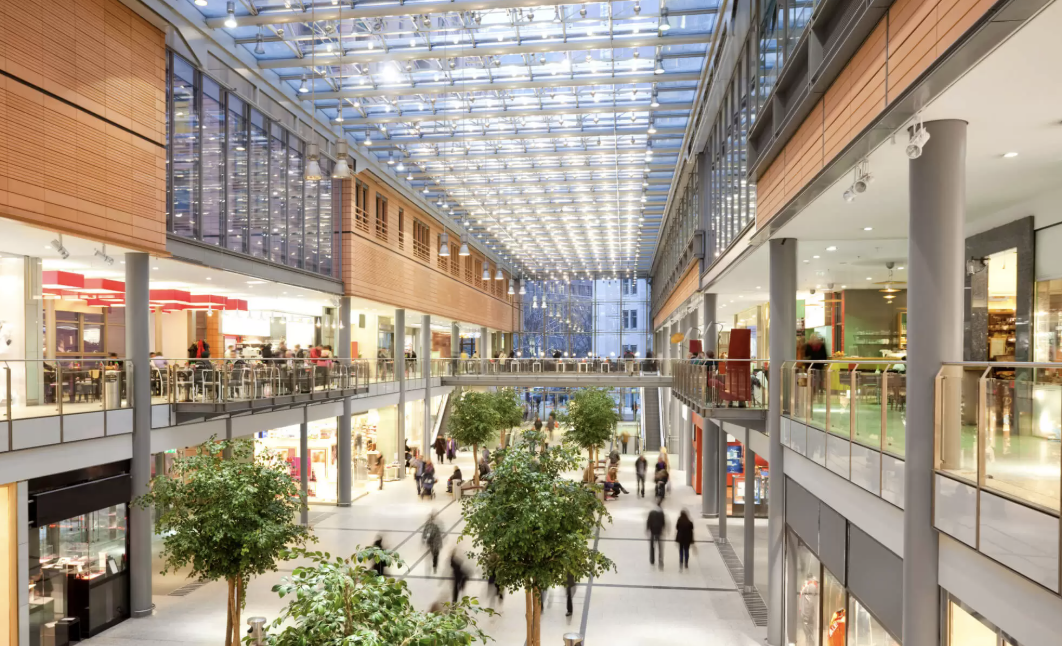 shopping malls
Turkey’s shopping mall (AVM) industry is undergoing a fundamental structural shift. Rising construction costs, high interest rates, and limited access to financing have effectively ended the era of building shopping malls from scratch. Instead, the sector is now pivoting toward redevelopment, modernization, expansion, and ownership transfers of existing properties, marking a new chapter for commercial real estate in the country.
Industry representatives emphasize that the focus is no longer on “greenfield” investments, but on bringing idle or underperforming assets back into the economy. As financial constraints tighten, transforming existing buildings has become the dominant strategy shaping the future of Turkey’s mall ecosystem.
“Building From the Ground Up Is No Longer Feasible”
The financial realities facing the sector were clearly summarized by Nuri Şapkacı, Co-CEO of ECE Türkiye and Chairman of the Shopping Centers and Investors Association (AYD). Speaking about the challenges of launching new mall projects, Şapkacı said:
“Developing a shopping mall from the ground up has become extremely difficult. Financial resources are limited, and projects can now only be realized with equity capital. For this reason, over the next five years, the shopping mall sector will continue through ownership transfers, transformations, and expansions.”
This assessment highlights a decisive break from past decades, when large-scale mall projects were frequently developed on vacant land with extensive financing support. Today, such models are widely seen as financially unsustainable.
High Interest Rates and Costs Drive Strategic Change
The transformation of the AVM sector is closely linked to macroeconomic conditions. Elevated interest rates have significantly increased borrowing costs, while construction expenses—from materials to labor—remain at historically high levels. These pressures have made long-term, debt-financed mall investments increasingly risky.
As a result, investors are prioritizing lower-risk strategies, such as acquiring existing properties at discounted valuations and upgrading them to meet current consumer expectations. This approach allows developers to avoid lengthy permitting processes and reduce upfront capital requirements while still generating economic value.
Tourist Spending Declines, Revenues Lag Inflation
Financial pressures are not limited to the development side. According to data shared by Semet Yolaç Canlıel, General Manager of ECE Türkiye, operational performance indicators are also under strain.
Tourist-driven retail sales—an important revenue source for many malls—have declined by approximately 25%. At the same time, shopping mall revenues over the past two years have failed to keep pace with inflation, eroding real income for both operators and retailers.
This divergence between rising costs and lagging revenues has further reinforced the need for efficiency-focused transformation, rather than costly new investments.
Idle Properties Turn Into Mixed-Use Life Centers
Instead of pursuing new construction permits, major investment groups are increasingly targeting debt-laden or underutilized properties. These assets are being repurposed into modern, multifunctional spaces designed not only for shopping but also for social interaction, dining, entertainment, and services.
One notable example involves a shopping center that closed during the pandemic, which is now set to be revitalized through investment by the Akpolat Family. The project aims to reintroduce the property to the local economy with a renewed concept and updated infrastructure.
Similarly, the Adapalm AVM project in Adana, scheduled to open toward the end of 2026, is expected to create around 2,500 jobs, underlining the employment potential of redevelopment-focused investments.
From Shopping Malls to “Life Centers”
Industry leaders stress that the future of AVMs in Turkey lies in evolving beyond pure retail. Over the next five years, the sector is expected to focus on “life center” concepts, integrating shopping with lifestyle-oriented experiences.
These transformed spaces are designed to respond to changing consumer behavior, including longer visit durations, demand for open and social areas, and a growing emphasis on food, culture, and leisure. By repositioning malls as community hubs rather than transactional spaces, investors aim to sustain foot traffic and tenant demand despite economic headwinds.
Taken together, current trends suggest that Turkey’s shopping mall sector is entering a phase of consolidation and transformation rather than an expansion cycle. New construction is likely to remain limited, while asset rotation, renovation, and functional diversification will define industry activity.