Pax Turkica or Imperial Illusion? The Limits of Erdoğan’s Regional Ambition
 rte1
rte1
By Asli Aydintasbas
When Turkish President Recep Tayyip Erdoğan visited the White House in late 2025, he wasn’t just seeking a diplomatic victory; he was looking for an American endorsement of a “Büyük Strateji” (Grand Strategy) that would position Turkey as the undisputed leader of the Middle East. Following the dramatic collapse of the Assad regime, Turkey has moved swiftly to fill the vacuum, operating under the mantra that “Turkey is bigger than Turkey.” However, according to veteran analyst Aslı Aydıntaşbaş, this “Pax Turkica” vision faces a daunting gap between imperial rhetoric and the grounded reality of a hollowed-out state and a fragile economy.

The “Trump Bump”: A Transactional Bromance
The return of Donald Trump to the Oval Office has provided Erdoğan with a strategic lifeline. Trump’s preference for “strongman” leadership and transactional diplomacy aligns with Erdoğan’s own governing style. By securing a seat at the table for high-stakes negotiations—such as the October 13 Gaza ceasefire—Erdoğan has signaled to his domestic audience that Turkey is once again a global power broker.
To his supporters, this is more than policy; it is destiny. Over a century after General Allenby ended four centuries of Ottoman rule in Jerusalem, Erdoğan’s presence at the heart of Holy Land politics serves as a potent symbol of neo-Ottoman reclamation. Yet, Aydıntaşbaş warns that Trump’s impulsive and unstructured foreign policy is a shaky foundation for a permanent regional order.
The Three Pillars of the “Century of Turkey”
Erdoğan’s project rests on three strategic foundations designed to project power far beyond the country’s 782,000 square kilometers:
-
Hard Power & Defense Exports: From Libya to Somalia and the Caucasus, Turkish drones and military advisors have created a “forward defense” posture.
-
The “Sultan’s Ghost”: A massive propaganda machine that rehabilitates the Ottoman Empire as a golden age of stability, positioning modern Turkey as its natural successor.
-
Illiberal Solidarity: Moving away from the “zero problems with neighbors” democratic model, Ankara now focuses on pragmatism, building alliances with Sunni regimes based on security and economic interests rather than shared values.
Syria: The Laboratory of Ambition
Post-Assad Syria has become the primary laboratory for Turkey’s regional vision. By backing the new administration led by Ahmed al-Sharaa, Ankara aims to achieve two critical goals: the voluntary return of millions of refugees and the total dismantling of Kurdish autonomy in the north.
The recent January 2026 integration deal between Damascus and the SDF—which effectively dissolves the Kurdish-led militia into the Syrian army—is viewed by Ankara as a “historic turning point.” This development is inextricably linked to Turkey’s domestic peace process. If Kurdish aspirations for independence are successfully “integrated” away in Syria, Erdoğan hopes to neutralize the PKK at home, securing his legacy as the leader who finally solved the Kurdish question through a mix of military pressure and regional diplomacy.
The Economic Ceiling and the “Hollow State”
Despite these strategic wins, Aydıntaşbaş highlights a critical weakness: Turkey lacks the “institutional machinery” to sustain an empire.
-
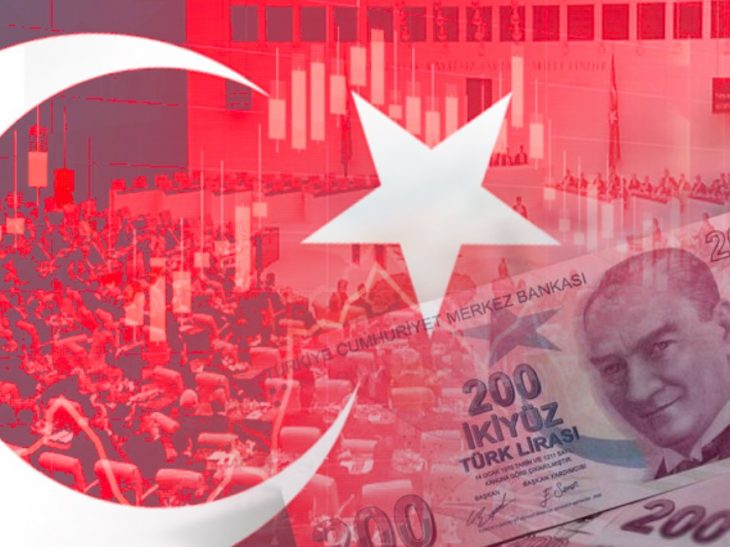
Fiscal Constraints: With inflation still lingering in the 20-30% range as of early 2026, Turkey cannot afford the estimated $400 billion price tag for Syria’s reconstruction. Damascus is already looking toward Qatar and Saudi Arabia for budgetary support, a shift that could sideline Turkish influence in favor of Gulf capital.
-
Institutional Atrophy: Two decades of hyper-centralized rule have concentrated all decision-making in the Presidential Palace. Purges and loyalty-based appointments have erased the technocratic know-how required for the “patient management” of complex regional transitions.
Israel: The Hegemonic Spoiler
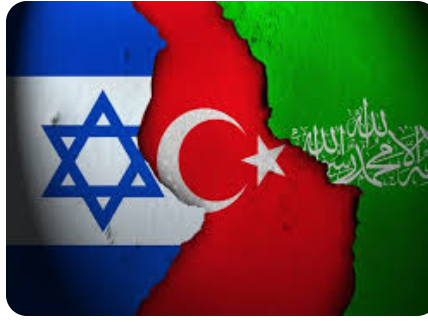
The most immediate external challenge is Turkey’s deepening rivalry with Israel. As Israel expands its own buffer zones in southern Syria—often defying U.S. warnings—the two regional powers are on a collision course. While Ankara wants a strong, centralized Syrian state under its orbit, Israel prefers a fragmented, decentralized Syria to ensure no unified threat emerges on its northern border. This “competitive buffering” has already led to direct friction, including Israeli strikes on sites intended for Turkish bases.
Conclusion: The Gap Between Dream and Ability
For the average Turkish citizen, “imperial grandeur” often feels disconnected from the daily struggle against high costs of living. Aslı Aydıntaşbaş’s analysis suggests that while Erdoğan may harbor the dreams of a Sultan, modern Turkey remains hobbled by domestic fragility. Turkey will undoubtedly remain a dominant force in Syria and a major regional player, but the vision of a “Pax Turkica” may ultimately be remembered as a reminder of the gap between a leader’s grand ambition and a nation’s actual capacity to deliver.
PA Turkey intends to inform Turkey watchers with diverse views and opinions. Articles on our website may not necessarily represent the view of our editorial board or constitute endorsement.
Follow our English YouTube channel (REAL TURKEY): https://www.youtube.com/channel/UCKpFJB4GFiNkhmpVZQ_d9Rg
Twitter: @AtillaEng
Facebook: Real Turkey Channel: https://www.facebook.com/realturkeychannel/