Turkey’s Central Bank Warns of Short-Term Inflation Volatility, Reaffirms Tight Policy Stance
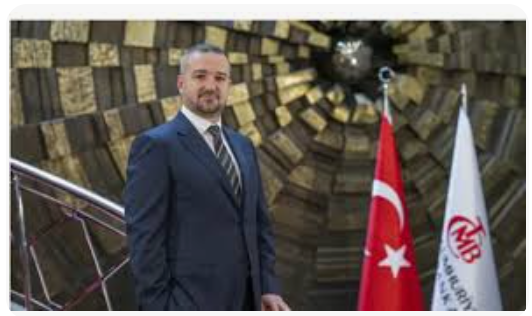 fatih karahan
Summary:
Turkey’s central bank governor Fatih Karahan told international investors in London and New York that while the disinflation trend is strengthening, inflation could show volatility over the next two months. Karahan emphasized that monetary policy will remain tight, cautious, and data-driven, with further tightening possible if inflation deviates from interim targets.

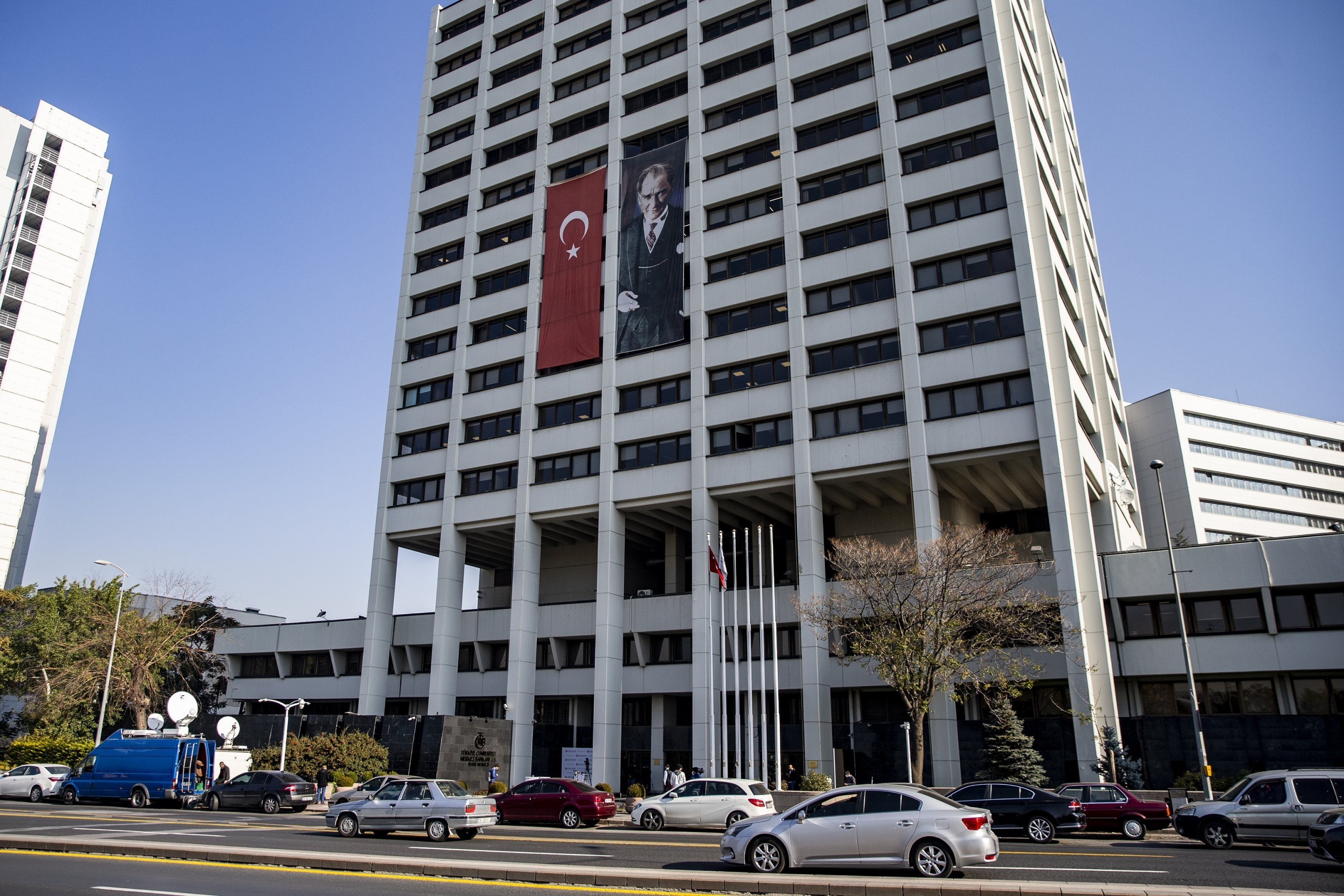

Investor Roadshows in London and New York
Speaking at a series of closed-door investor meetings in London and New York, Central Bank of the Republic of Turkey (CBRT) Governor Fatih Karahan outlined Ankara’s monetary policy roadmap and reaffirmed the authorities’ commitment to restoring price stability.
Karahan told global fund managers that Turkey remains firmly in a disinflation process, supported by tighter financial conditions, improving inflation expectations, and a gradual normalization of pricing behavior. However, he cautioned that short-term risks persist and that headline inflation could fluctuate over the next two months due to temporary factors.
Despite these near-term risks, Karahan stressed that the central bank would not compromise on its core objective of price stability and would maintain a restrictive policy stance until inflation is decisively anchored at target-consistent levels.
Disinflation Broadening Beyond Headline Data
According to Karahan’s presentations, the disinflation process is no longer confined to base effects or favorable comparisons but is increasingly visible across underlying indicators.
He noted that pricing behavior has begun to improve structurally, supported by declining inflation expectations among households and firms. This shift, Karahan said, is critical for ensuring that the slowdown in inflation becomes durable rather than temporary.
The central bank highlighted that both consumer and real-sector inflation expectations have moved lower, reinforcing pricing discipline across the economy. Officials see this trend as one of the most important signals that monetary tightening is gaining traction.
Another encouraging development cited during the meetings was the gradual easing of rigidity in service-sector inflation, traditionally the most persistent component of Turkey’s price dynamics. The moderation in service prices was described as the strongest source of optimism for 2026, when policymakers expect the disinflation process to become more entrenched.
Short-Term Risk: “Volatility Over the Next Two Months”
While emphasizing medium-term progress, Karahan issued a clear warning about near-term inflation risks. He said the central bank expects some volatility in inflation readings over the next two months, reflecting temporary and technical factors rather than a deterioration in the underlying trend.
This outlook, Karahan explained, is precisely why the CBRT continues to favor a cautious and patient approach to monetary policy. “We are encouraged by the direction of travel, but we are not complacent,” he told investors, according to people familiar with the meetings.
Karahan added that economic activity remains resilient overall, though high-frequency indicators are sending mixed signals. As a result, policy decisions will continue to rely on a comprehensive assessment of incoming data rather than any pre-committed path.
Interest Rate Policy: Cautious, Data-Driven, Meeting-by-Meeting
Addressing investor questions on interest rates, Karahan outlined a clear and disciplined framework for future decisions.
First, he underscored that all policy moves would be strictly data-driven, taking into account realized inflation, the underlying trend, and alignment with interim inflation targets.
Second, Karahan emphasized that decisions would be made on a meeting-by-meeting basis, rejecting the idea of a fixed or predetermined easing path. Each policy meeting, he said, would involve a reassessment of risks, inflation dynamics, and financial conditions.
Third, the governor left the door open to additional tightening if necessary. Should inflation deviate materially from the central bank’s projections or interim targets, the CBRT would respond decisively with further tightening measures, without hesitation.
This conditional approach, Karahan argued, is essential to maintaining credibility at a time when inflation expectations remain sensitive and global financial conditions are uncertain.
Reinforcing Policy Credibility with Global Investors
The London and New York meetings were widely seen as part of Ankara’s broader effort to rebuild investor confidence after years of unorthodox policies and credibility erosion.
Participants said Karahan’s tone was notably cautious and technocratic, underscoring continuity in the policy normalization process launched in mid-2023. The central bank’s message, they said, was that Turkey is prepared to tolerate short-term growth moderation in order to secure lasting price stability.
Officials also highlighted improvements in macro-financial transmission, noting that tighter monetary conditions are increasingly reflected in credit growth, domestic demand, and pricing decisions.
While Karahan did not provide explicit guidance on the timing of any potential easing cycle, investors interpreted his remarks as a signal that rate cuts are not imminent and that the CBRT remains focused on managing inflation risks rather than responding to short-term market pressure.
Outlook: Cautious Optimism Anchored in Discipline
In closing his presentations, Karahan reiterated that the central bank’s strategy is built around patience, consistency, and credibility. Disinflation, he said, is progressing in the right direction, but the job is not yet complete.
Short-term volatility should not be misread as a reversal, Karahan warned. Instead, policymakers will continue to prioritize underlying trends, expectations, and policy transmission as they steer the economy toward lasting stability.