Turkey’s Central Bank Signals Steady Hand as Karahan Meets Global Investors
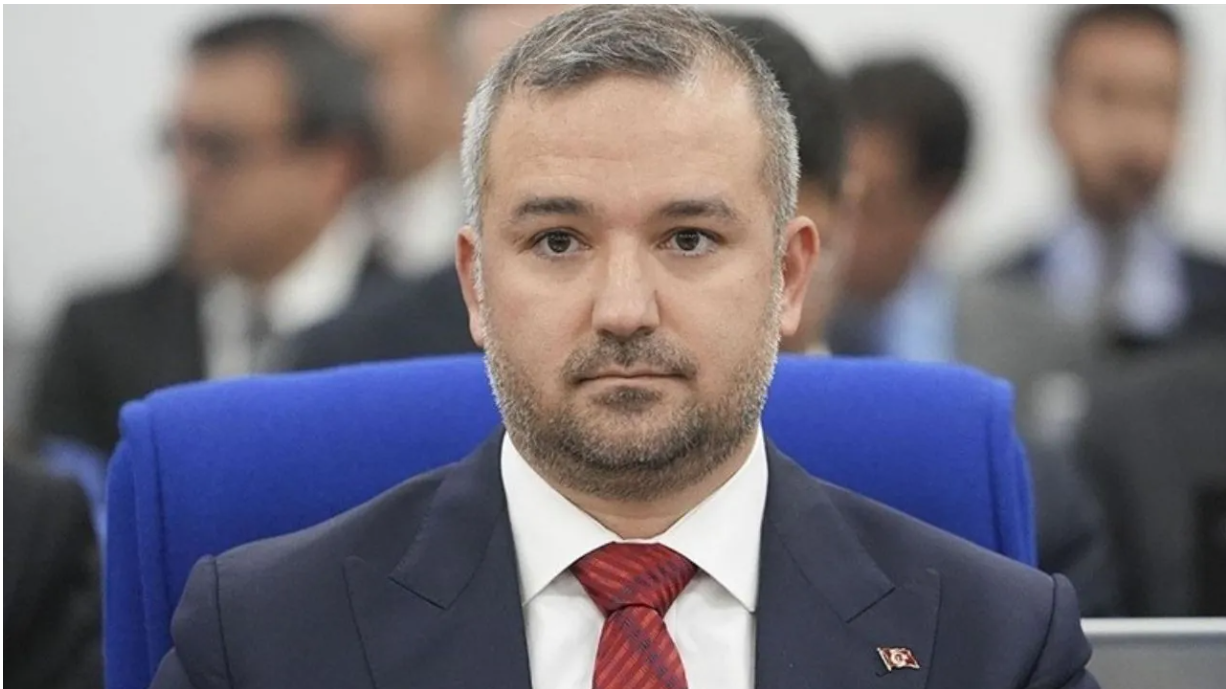 fatih karahan
Turkey’s monetary policy direction took center stage in London and New York as Central Bank Governor Fatih Karahan met with international investors to outline the country’s updated economic roadmap. Speaking at a time of heightened global uncertainty, Karahan delivered a clear message: the disinflation process is gaining strength, but the Central Bank of the Republic of Türkiye (TCMB) will remain cautious, data-driven, and ready to act against short-term risks.
The meetings, held in two of the world’s most influential financial hubs, were closely watched by global funds seeking clarity on Türkiye’s policy resolve. Karahan’s presentations reinforced a familiar but critical theme: price stability remains the non-negotiable priority, and tight monetary conditions will be maintained until that objective is firmly secured.
Commitment to Price Stability Remains Unshaken
During the investor briefings, Karahan emphasized that the TCMB has no intention of relaxing its stance prematurely. Monetary tightening, he noted, will stay in place until inflation is durably aligned with the Central Bank’s targets. Should the inflation outlook deviate from interim goals, additional tightening measures could be implemented without hesitation.
This message was designed to reassure investors that policy credibility is being restored not just through words, but through a consistent framework. The Central Bank’s approach, according to Karahan, is anchored in prudence rather than preset promises, rejecting any notion of an automatic or time-bound easing cycle.
Disinflation Gains Breadth Across the Economy
One of the most closely followed aspects of Karahan’s remarks concerned the quality of disinflation. He underlined that progress is no longer limited to headline inflation figures. Instead, structural improvements in pricing behavior are beginning to take hold across the economy.
Expectations among both households and the real sector are gradually declining, a shift that directly supports pricing discipline. As inflation expectations cool, businesses become less inclined to front-load price increases, helping reinforce the broader disinflation trend.
A particularly notable development has been observed in the services sector, traditionally the most inflation-resistant component of the consumer basket. Karahan highlighted early signs that price stickiness in services is starting to ease, a shift he described as one of the most encouraging signals for the 2026 outlook.
Short-Term Volatility Still on the Radar
Despite the improving medium-term picture, Karahan was careful to temper optimism with realism. He warned investors that the next two months could bring inflationary volatility, driven by seasonal effects and lingering cost pressures.
This acknowledgment was not framed as a policy weakness, but rather as the justification for the Central Bank’s continued cautious stance. Karahan stressed that temporary fluctuations should not be mistaken for a reversal in trend, yet they demand vigilance from policymakers.
Economic activity, he added, remains resilient overall, but incoming indicators are sending mixed signals. Growth has not stalled, yet certain sectors show signs of uneven momentum. In this environment, rigid policy commitments would be counterproductive. Instead, flexibility grounded in data will guide each decision.
Interest Rate Policy: Flexible, Meeting-by-Meeting Decisions
Addressing the question most investors care about—interest rates—Karahan laid out a clear and disciplined framework.
First, data dependence sits at the core of all decisions. Actual inflation outcomes, underlying trends, and alignment with interim targets will determine the policy path, rather than market speculation or calendar-based expectations.
Second, the Central Bank will continue to operate on a meeting-by-meeting basis. Rather than signaling a fixed trajectory, policymakers will reassess conditions at every Monetary Policy Committee meeting, allowing room to respond swiftly to new information.
Finally, Karahan reiterated that additional tightening remains a live option. If inflation dynamics were to drift materially away from projections, the policy stance would be strengthened further. This conditional approach was presented as a safeguard for credibility, not a threat to growth.
Related articles
Türkiye’s Economy Coordination Board Highlights Inflation Drop, Housing Supply Measures, and Energy Security
CBRT governor Karahan: Tight monetary stance to continue until disinflation achieved
CBRT Expectations Survey: Participants predict lower inflation, stronger TL, policy easing in 2024