



Reuters: Iran Protest Death Toll Reaches 2,000
 Iran-protests
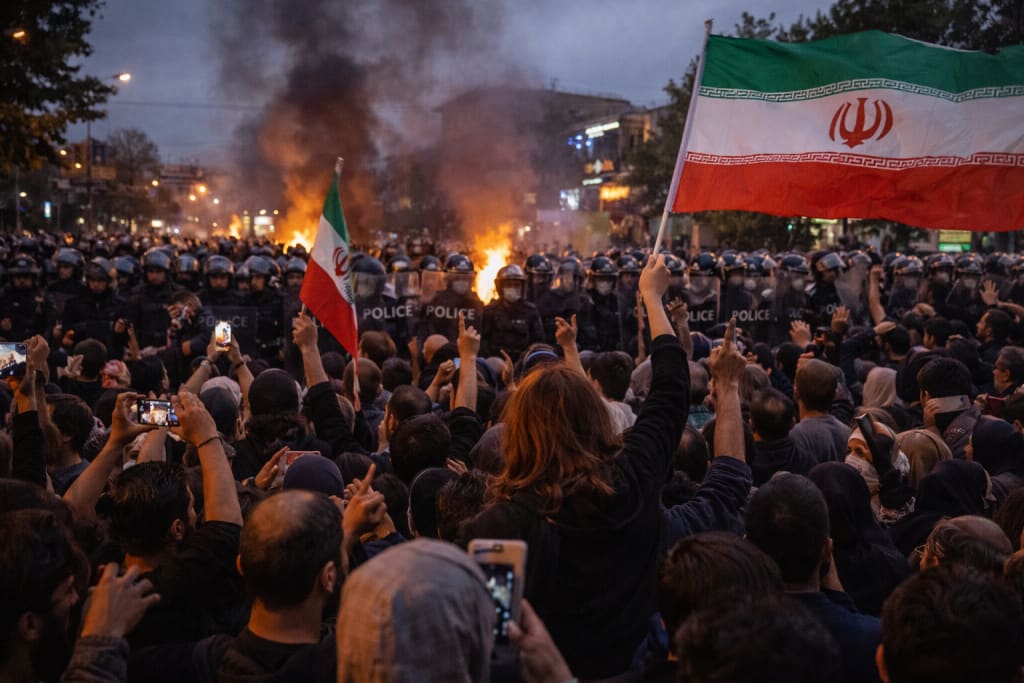
Iran’s ongoing nationwide protests have entered a more alarming phase, with a reported surge in fatalities, deepening restrictions on communication, and heightened pressure on students and academic institutions. According to an English-language report by Reuters, an Iranian official claimed that approximately 2,000 people have been killed since demonstrations began on December 28, marking one of the deadliest periods of unrest in the country’s recent history.
Reuters Cites Iranian Official on Rising Death Toll
Reuters reported that an Iranian official, speaking on condition of anonymity, stated that the death toll from the protests had reached around 2,000 people. The demonstrations, which have persisted for weeks, have spread across multiple cities and provinces, evolving into a sustained challenge to public order and state authority.
The official attributed the deaths of both civilians and members of the security forces to what were described as “terrorists,” echoing a narrative frequently used by Iranian authorities during periods of unrest. No independent verification of the figure has been provided, and the lack of access for international observers has made it difficult to confirm casualty numbers. Human rights groups have historically warned that official figures during similar crises may understate or selectively frame the scope of violence.
Conflicting Narratives and Limited Transparency
The reported death toll underscores the widening gap between official statements and accounts from activists, witnesses, and international organizations. While Iranian authorities emphasize security threats and external involvement, protest participants and opposition groups describe the demonstrations as largely driven by domestic grievances, including political restrictions, economic hardship, and social freedoms.
The absence of transparent reporting mechanisms has further complicated efforts to assess the true scale of the unrest. Analysts note that during previous protest waves, information control played a central role in shaping public perception both inside and outside Iran.
Internet Shutdown Continues Across Iran
Amid the unrest, access to information remains severely restricted. According to the BBC, internet services across Iran are still largely unavailable. The prolonged shutdown has limited communication among protesters and significantly reduced the flow of images and videos from inside the country.
Despite the blackout, some individuals have reportedly managed to access the internet using Starlink, the satellite-based service operated by Elon Musk’s SpaceX. These connections, however, are believed to be limited in number and reach, offering only a partial workaround to the broader digital isolation imposed by authorities.
Digital rights experts argue that extended internet shutdowns not only restrict freedom of expression but also hinder access to emergency services, economic activity, and basic communication, amplifying the humanitarian impact of political crises.
Universities Under Pressure as Student Housing Closes
Academic institutions have also become a focal point of the government’s response. Tehran University, widely regarded as one of Iran’s most prominent centers of higher education and a historical hub for political activism, announced the closure of its student dormitories for 10 days.
The decision was confirmed through a written statement issued by the university’s Office of Educational Affairs and published by the semi-official Tasnim News Agency. According to the announcement, undergraduate student dormitories were closed effective immediately, and students were instructed to vacate the premises as soon as possible.
Students Seen as Key Participants in Protests
Local media reports suggest that the dormitory closures are intended to curb student participation in the demonstrations, which have now entered their 17th day. University students have traditionally played a significant role in protest movements in Iran, often serving as organizers and amplifiers of dissent.
By dispersing students and limiting their ability to gather, authorities appear to be attempting to reduce momentum on campuses that have historically been difficult to control during periods of unrest. Critics argue that such measures disrupt education and violate students’ rights, while supporters of the decision frame it as a temporary security precaution.
Broader Implications for Iranian Society
The combination of a high reported death toll, communication blackouts, and restrictions on academic life reflects the depth of the current crisis. Observers note that the government’s approach prioritizes containment and control, even at the cost of economic disruption and international criticism.
International reactions have been cautious but increasingly concerned. Human rights organizations have called for independent investigations into protest-related deaths and urged Iranian authorities to restore internet access and respect the right to peaceful assembly.