Borsa Istanbul Braces for IPO Surge in 2026 Amid Concerns Over Asset Quality
 halka arz
ISTANBUL – Following a lackluster 2025, Borsa Istanbul (BIST) has entered 2026 with a feverish pace of New Listings. While the main index hits record highs fueled by expectations of Central Bank rate cuts, a massive pipeline of 125 companies awaits regulatory approval to go public. However, the quantity of new arrivals is sparking a heated debate regarding the quality of these firms and the protection of retail investors.
A Flying Start to the Year
The first weeks of 2026 have already seen a significant uptick in activity. Following the late-2025 listing of Arf Bio Energy, three more companies—Meysu Gıda, Z GYO, and Formül Plastik—successfully completed their IPOs. The demand remains robust; Meysu Gıda alone saw an oversubscription rate of 8.5 times, attracting 648,000 investors.
By mid-January, the total size of new offerings has already surpassed 4 billion TL. With Üçay Mühendislik set to collect book-building orders between January 14-16, analysts suggest that 2026 could see 30 to 35 successful listings if the current momentum holds.
Tighter Rules for a New Era
In response to the volatility of the previous year—where the number of stock market investors dropped by 5% to 6.5 million—the Capital Markets Board (SPK) has significantly raised the bar for entry.
As of 2026, companies seeking an IPO must meet stricter financial criteria:
-
Active Asset Size: Minimum 3.6 billion TL (up from 2.4 billion TL in 2025).
-
Net Sales (Turnover): Minimum 1.8 billion TL (up from 1.2 billion TL in 2025).
The Critical View: “A Marketplace, Not an Exchange”
Despite the record numbers, veteran market observers are sounding the alarm. The surge in listings from sectors like food (dairy, jam, and even simit/bagel producers) has led some critics to argue that the exchange is losing its industrial “heavyweight” character.
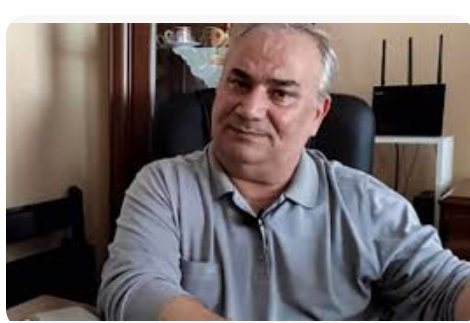
The most stinging criticism comes from analysts like Remzi Özdemir, who warns that many companies are using IPOs not for growth, but as a last-ditch effort to restructure unmanageable debt. A recent scandal involving a car rental company—which saw its share price collapse from 33 TL to 3 TL in just two months after failing to meet coupon payments—serves as a grim cautionary tale.
“We are seeing companies that cannot even pay their checks being offloaded to small investors,” says Özdemir. “While regulators acknowledge manipulation in certain funds, the slow pace of enforcement is leaving retail investors exposed to massive losses.”
Outlook for 2026
The market remains at a crossroads. On one hand, the influx of 125 applicants from diverse sectors (energy, technology, tourism) suggests a deepening of the Turkish capital markets. On the other, the “burn rate” of retail investors who entered during previous furies—nearly 4 million by some estimates—remains a psychological barrier. For 2026 to be a true success, the quality of the “merchandise” on the exchange may matter more than the quantity of the listings.
Related articles

Fitch/ Erich Arispe Morales: Returning to sustainable, predictable and credible economic policy-making increasingly unlikely under Erdoğan
HSBC Research: Sentiment for Turkey is positive, again

Turkey on the verge of a weak currency-inflation spiral