US Weighs Iran Strike Scenarios Amid Rising Unrest, WSJ Reports
 Iran-protests
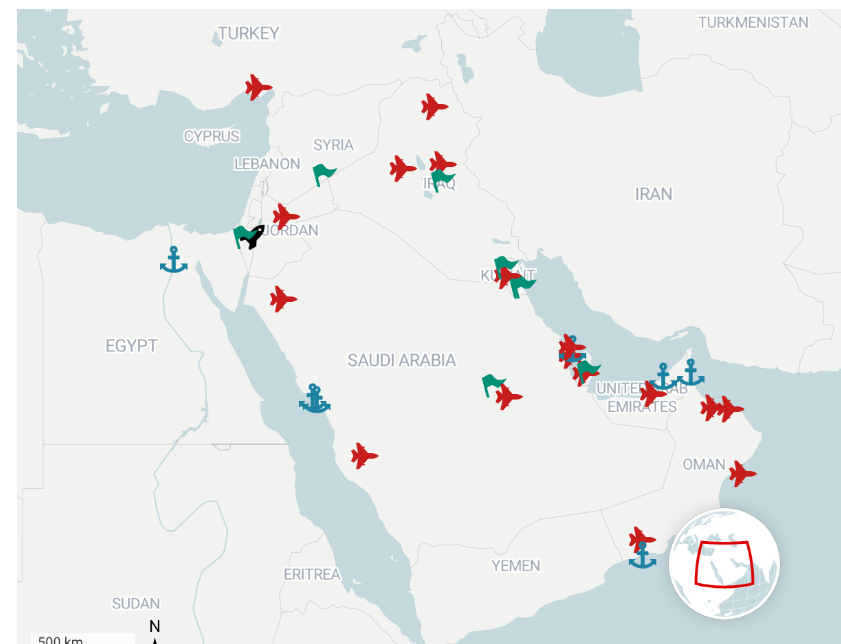
The United States has reportedly held internal discussions on how a potential military strike against Iran could be carried out if President Donald Trump’s warnings were ever acted upon. According to a report by The Wall Street Journal (WSJ), these conversations are described by officials as preliminary contingency planning rather than an indication of imminent action. Still, the claims have drawn international attention as tensions rise inside Iran amid widespread protests driven by economic distress.
Based on information from anonymous US officials cited by the WSJ, members of the Trump administration have examined possible military options in the event that diplomatic pressure or verbal warnings fail. These discussions reportedly focused on operational details, including how an attack might be conducted and which strategic targets inside Iran could be considered. The officials emphasized that such conversations are part of standard national security planning, particularly during periods of regional instability.
Internal US Discussions on Military Scenarios
One source familiar with the talks suggested that a large-scale air campaign targeting multiple Iranian military facilities was among the scenarios reviewed. This option, according to the source, would involve striking several strategic locations simultaneously, a move that would represent a significant escalation in US-Iran relations. However, another official cautioned that there is no unified action plan and no consensus within the administration on whether or how such a strike would ever be executed.
Importantly, the WSJ report notes that there has been no movement of US troops, aircraft, or military equipment that would signal preparations for an imminent attack. Officials stressed that no orders have been issued, and no logistical steps have been taken to put these theoretical plans into motion. This distinction underscores the claim that the discussions remain hypothetical rather than operational.
Trump’s Rhetoric and Warnings to Tehran
President Donald Trump has made several pointed remarks regarding the situation in Iran, particularly as protests have intensified. Addressing Iranian leadership directly, Trump stated, “I am telling Iranian leaders, you better not shoot, because we will start shooting.” The president also framed the unrest as a potential turning point for the Iranian people, saying, “Iran is maybe looking at freedom for the first time in many, many years.” These quotes, widely circulated in international media, have amplified speculation about Washington’s next steps.
While Trump’s language has been unusually direct, US officials speaking to the WSJ sought to downplay the idea that his statements represent a firm commitment to military intervention. Instead, they portrayed the remarks as part of a broader strategy aimed at applying pressure while monitoring developments on the ground.
Protests Spread Across Iran
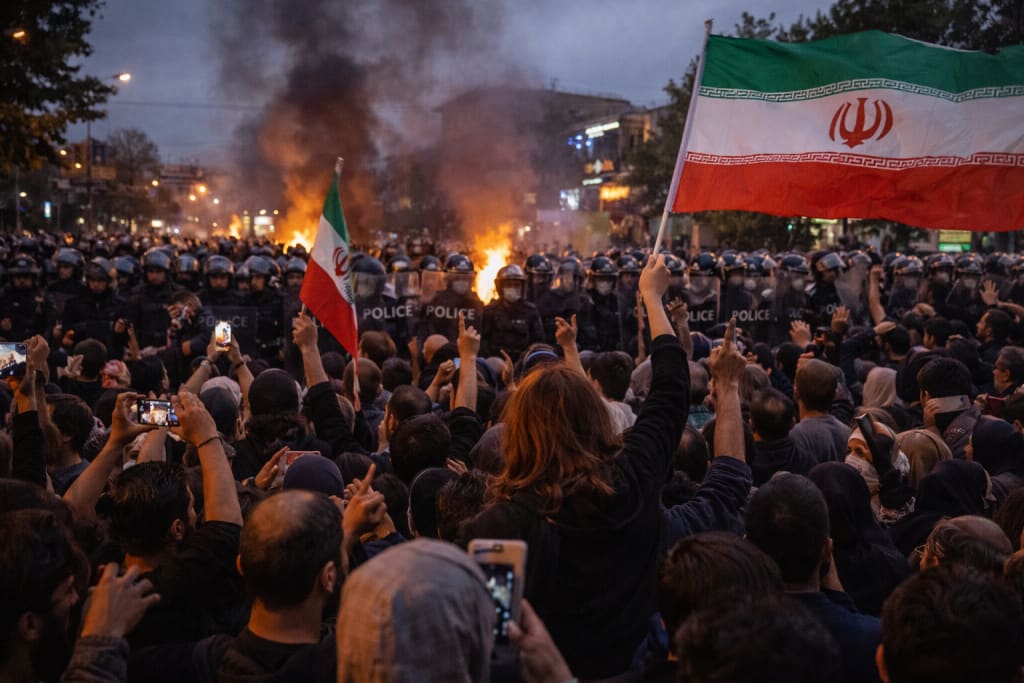
The backdrop to these discussions is a wave of protests that began in Iran on December 28, 2025. Demonstrations initially erupted in Tehran’s Grand Bazaar after the national currency suffered a sharp decline against foreign currencies, worsening already severe economic conditions. What started as localized protests by shopkeepers quickly spread to numerous cities across the country, reflecting deeper public frustration over inflation, unemployment, and living costs.
As the protests expanded, clashes between demonstrators and security forces were reported in several regions. Iranian authorities have provided limited official information about casualties and arrests, contributing to uncertainty and speculation about the scale of the unrest.
Casualty Reports and Security Response
Independent monitoring groups have attempted to fill this information gap. The Human Rights Activists News Agency (HRANA) reported on January 9, the thirteenth day of demonstrations, that 65 people had been killed, including 15 security personnel. The same report claimed that dozens were injured and that 2,311 individuals had been detained. Meanwhile, Iran’s semi-official Tasnim News Agency stated that 568 police officers and 66 members of the Basij militia were injured during the unrest.
Damage to public buildings and vehicles has also been reported, signaling the intensity of confrontations in some areas. In Tehran, authorities issued warnings urging residents not to leave their homes, a measure that highlighted concerns about maintaining order in the capital.
Strategic Uncertainty and Regional Implications
Despite the dramatic rhetoric and ongoing protests, US officials maintain that there are no immediate signs of an impending American strike on Iran. By characterizing the discussions as routine contingency planning, Washington appears intent on keeping its options open without committing to a specific course of action. This approach allows the US to respond flexibly as events in Iran continue to unfold.
From a broader perspective, the situation illustrates the complex intersection of internal unrest, international diplomacy, and military strategy. Any miscalculation could have far-reaching consequences for regional stability, global energy markets, and diplomatic relations well beyond the Middle East.
As protests continue and political statements on both sides remain charged, global observers are closely watching whether rhetoric will give way to concrete action—or whether diplomacy and internal developments within Iran will reshape the trajectory of the crisis.
Related articles
Trump’s “Armada Alert”: U.S. Navy Headed to Iran with a Bigger Fleet Than Venezuela
The “Third Front”: Kurdish Insurgency and Tehran’s Sweeping Internal Crackdown
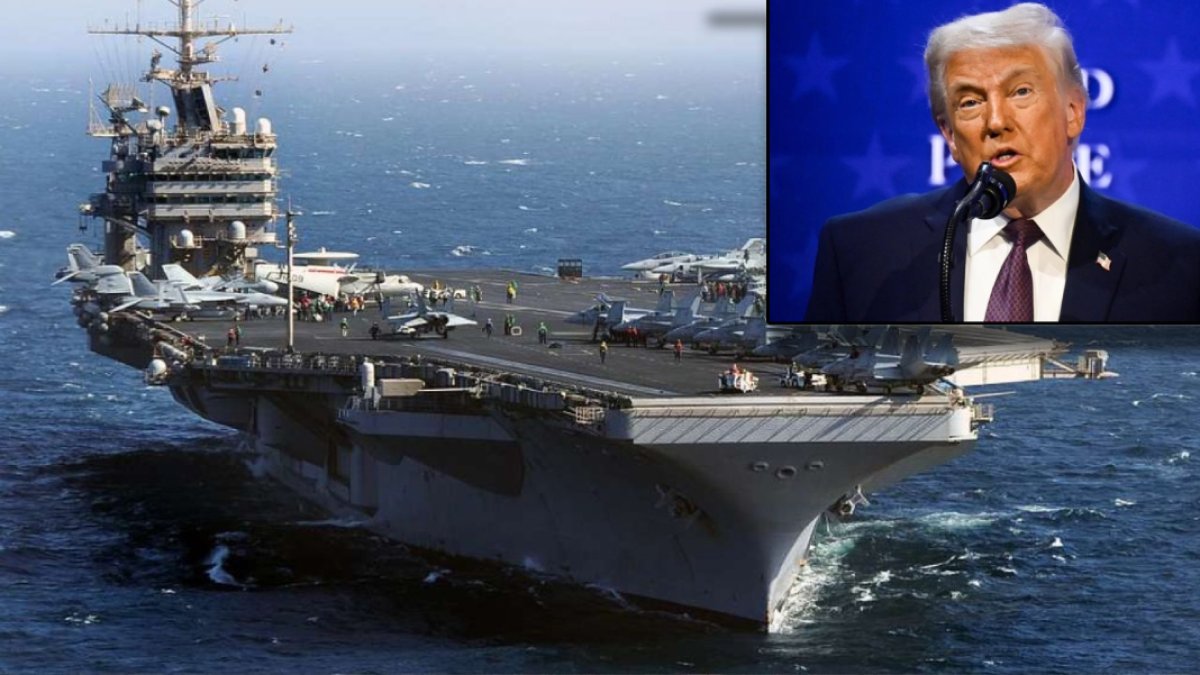
US–Iran Tensions Surge as Aircraft Carrier Deployment Raises War Fears