Syrian Operations Concluded, But Peace Process Remains on Thin Ice
 syria clashes
ANKARA/ALEPPO – As the Syrian army consolidates control over former YPG strongholds in Aleppo, the geopolitical focus is shifting toward the fragile “Peace Process” within Turkey. While tactical victories are being celebrated on the ground, strategic entanglements involving the United States, Israel, and domestic Turkish public opinion suggest the road to a lasting resolution is fraught with obstacles.
The Syrian Stalemate: A State Within a State
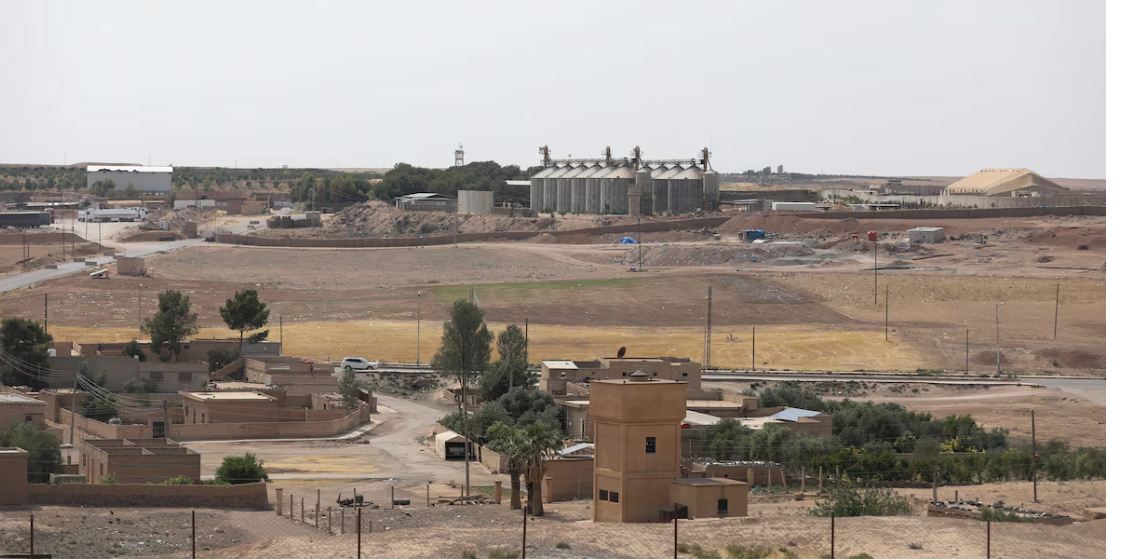
The Kurdish political and military structure in Syria continues to resist the March 10 agreement, despite losing its fortresses in Aleppo. However, it maintains its existence almost like an independent state to the east of the Euphrates. This situation is perceived as a security risk for Ankara, and data is emerging that the internal Peace Process in Turkey is difficult to conclude unless the Syrian Kurds are brought under the full command of the central government in every aspect. For Turkey, the expectation is either a joint operation with the al-Shar’a administration to force the Kurdish structure east of the Euphrates to its knees, or for Trump to persuade the Kurds.
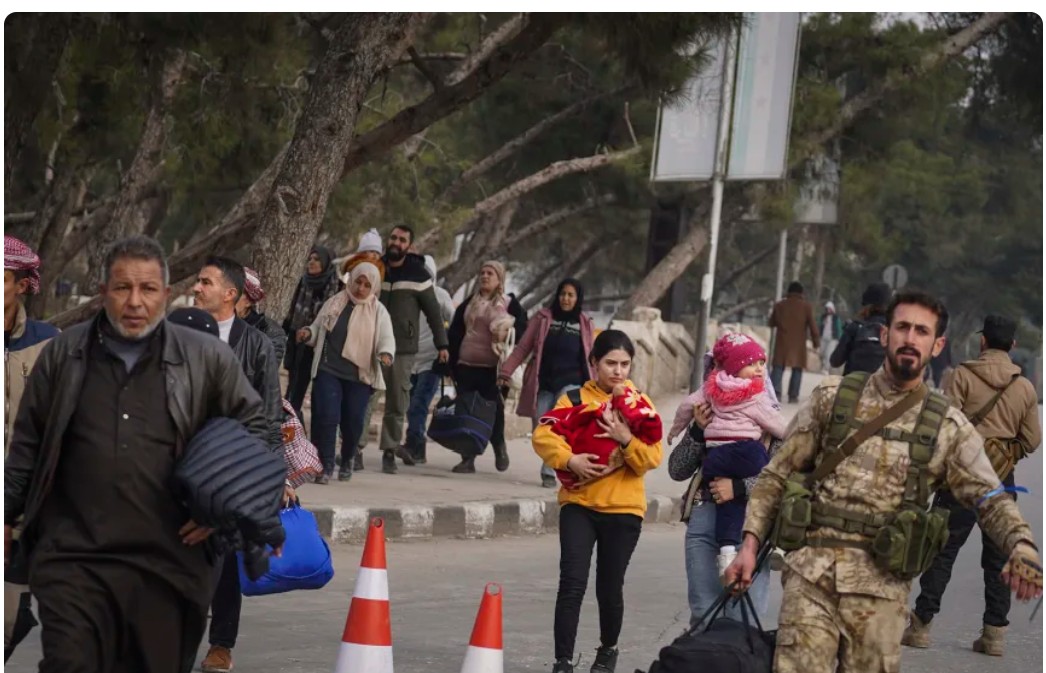
The Syrian army has completed its operation against the YPG terror organization in Aleppo’s Sheikh Maqsoud neighborhood. Security sources announced that search and sweep activities are being carried out against booby traps left by terrorists. “All Syrians, especially Kurds, regardless of ethnic or sectarian discrimination, have been secured,” the statement said, noting that Turkey will continue its support.
Domestic Shock: The “Imralı Effect” on Polls
Despite the military momentum, the ruling AKP is facing a significant setback in domestic public opinion. According to veteran journalist Nuray Babacan, internal government polling shows a sharp decline in support for the “new opening” or Peace Process.
-
Approval Drop: While support previously hovered around 60-65%, a survey conducted by an AKP-affiliated firm in December 2025 revealed a 14% drop in approval.
-
The Visit Factor: The decline is directly attributed to the parliamentary visit to Abdullah Öcalan at Imralı prison. The public reaction suggests that while voters want peace, direct engagement with the imprisoned PKK leader remains a “red line” for many.
This shift has bolstered the position of opposition leaders, such as CHP Chairman Özgür Özel, who recently stated that his party’s decision not to visit Imralı was “very correct.”
The Demirtaş Dilemma and Soft Language
Optimists within the AKP argue that the process must not be derailed by Syrian complications or the activities of the Syrian Democratic Forces (SDF). However, the recent sentencing of Kurdish leader Selahattin Demirtaş for “insulting the President” has dampened hopes. Critics argue that if the state cannot tolerate small legal steps or lenient language in such high-profile cases, the larger, more complex steps required for a peace process may never materialize.
Intelligence Briefings: The Israel-SDF Nexus
Briefings held at the Turkish Grand National Assembly (TBMM) reveal a divide in the state’s security apparatus. While MIT Director İbrahim Kalın is reportedly more optimistic about the process, intelligence field staff remain wary of the SDF-Israel-US cycle.
-
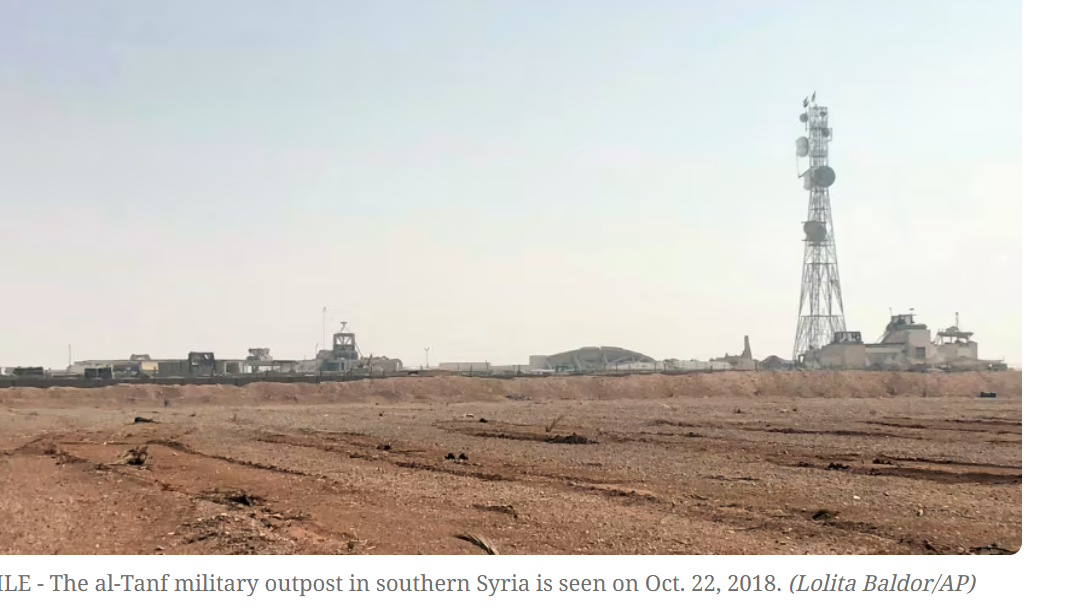
The Druze Connection: Intelligence reports claim the SDF/YPG is providing military training to Druze armed groups in southern Syria.
-
A Strategic Tool: Analysts suggest the SDF is no longer just a local militia but has become a functional extension of Israeli strategy in Syria, aimed at weakening the Damascus government and keeping Turkey’s security concerns triggered.
The Trump Factor and the Path Forward
While the Syrian central government has signaled it will no longer remain a spectator to the SDF’s “state-like” autonomy, diplomacy remains an open, albeit narrow, door. The ultimate outcome may depend on the position of the Trump administration. Ankara is watching closely to see if the U.S. will facilitate a deal between the SDF and the Syrian central government, effectively removing Israel from the northern Syrian equation and securing Turkey’s borders.
Turkish press sources, Atilla Yesilada