Fires Break Out at Turkey’s Eber Lake as Drought Intensifies Environmental Risks
 eber golu
Summary:
Multiple fires erupted at Eber Lake in western Türkiye after prolonged drought dried out reed beds, highlighting how worsening water stress is amplifying wildfire risks across the country. Climate experts warn that recent snowfall is insufficient to reverse deepening hydrological and ecological drought.
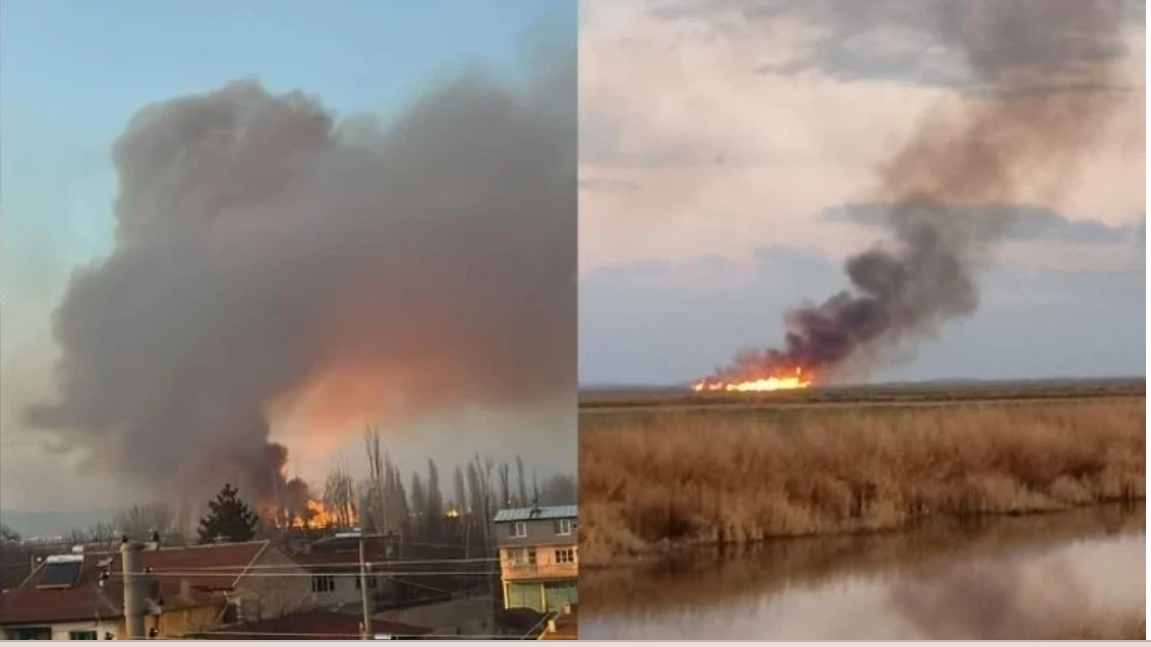
Fires broke out at Eber Lake, one of Türkiye’s largest lakes, as severe drought conditions left vast reed beds parched and highly flammable. Blazes were reported at five separate locations across the lake, which spans the district boundaries of Afyonkarahisar’s Çay, Bolvadin and Sultandağı.
Authorities said the fires spread rapidly under strong winds, with flames and thick smoke visible from surrounding towns, including Bolvadin and Çay. Firefighters and gendarmerie units were deployed to the area, though efforts were complicated by the lake’s marshy terrain, which made direct access difficult.
Türkiye’s meteorological service warned that storm-force winds of up to 75 km/h are expected in the region on Wednesday and Thursday, raising concerns that the fires could spread further if conditions persist.
Drought Turns Wetlands into Fire Traps
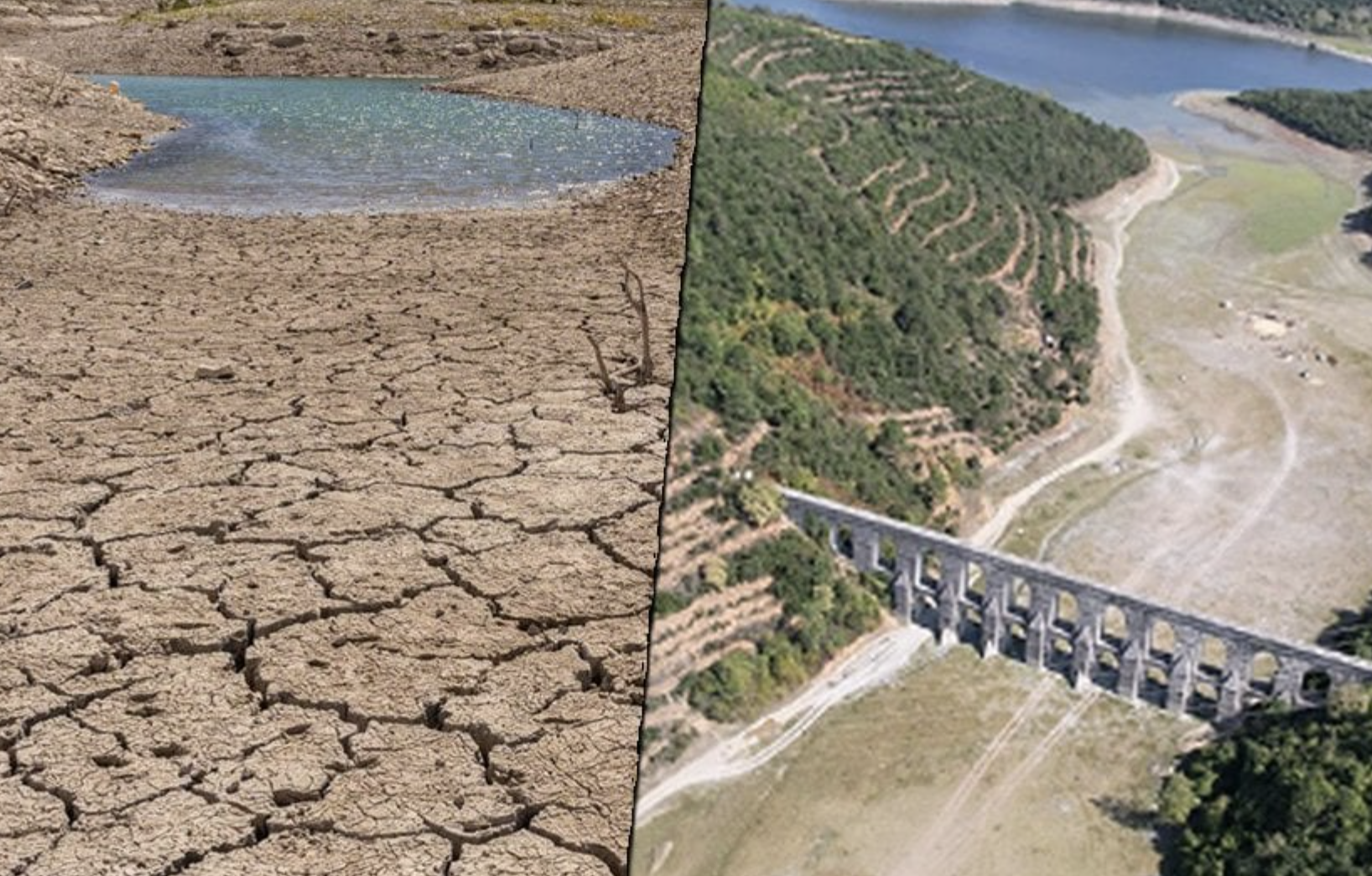
Once a critical wetland ecosystem, Eber Lake has been shrinking steadily in recent years due to declining rainfall, rising temperatures and excessive water use. Environmental damage linked to drought has caused large swathes of reeds to dry out, creating ideal conditions for fast-moving fires.
Experts say the Eber Lake fires are not an isolated incident but part of a broader pattern emerging across Türkiye, where wetlands, forests and agricultural areas are becoming increasingly vulnerable as drought deepens.
Snowfall Fails to End Drought, Warns Climate Expert
Despite recent cold spells and snowfall in parts of the country, climatologists caution that Türkiye remains firmly in the grip of drought.
Murat Türkeş, a faculty member at Boğaziçi University and board member of its Climate Change and Policies Research Center, said short-lived and light snowfall cannot reverse long-term drought trends.
“Snow is vital because when it melts, it feeds soil moisture, groundwater, rivers, lakes and ecosystems,” Türkeş said. “But due to global warming, snowfall is declining and, more importantly, snow no longer stays on the ground long enough to be effective.”
According to Türkeş, surface and lower-atmosphere temperatures have risen to such an extent that Türkiye is no longer experiencing the sustained rain or snow systems needed to meaningfully replenish water resources.
Hydrological, Agricultural and Ecological Drought Persist
Türkeş stressed that rainfall recorded in October, November and December has not altered medium- and long-term drought indicators. He warned that hydrological, agricultural and ecological drought continues to affect a wide swath of the country—from northwestern regions down to southeastern Anatolia.
“Short-term local rainfall and brief, low-to-moderate snowfall will not end drought,” he said. “We cannot assume that long-term agricultural and hydrological drought has come to an end, either physically or ecologically.”
Climate Change Raises Fire and Crop Risks
Looking ahead, Türkeş warned that climate volatility—including sudden cold snaps and heat waves—could continue into spring, increasing the risk of crop losses and environmental damage.
“Türkiye is among the countries most affected by drought in the Mediterranean basin,” he said. “Abrupt weather changes can severely impact agricultural yields, as we saw last year. We are facing a new climate reality and must learn to live with it—and take precautions accordingly.”
A Broader Warning Sign
The fires at Eber Lake underscore the growing intersection between drought and wildfire risk in Türkiye. As lakes shrink and wetlands dry out, areas once considered natural firebreaks are increasingly turning into ignition points.
Environmental experts warn that without sustained rainfall, improved water management and stronger climate adaptation policies, similar incidents could become more frequent—posing risks not only to ecosystems, but also to nearby communities and agricultural production.
PA Turkey intends to inform Turkey watchers with diverse views and opinions. Articles on our website may not necessarily represent the view of our editorial board or count as endorsement.
Follow our English YouTube channel (REAL TURKEY):
https://www.youtube.com/channel/UCKpFJB4GFiNkhmpVZQ_d9Rg
Twitter: @AtillaEng
Facebook: Real Turkey Channel – https://www.facebook.com/realturkeychannel/
Related articles
Türkiye Faces Deepening Drought Crisis as Rainfall Hits 52-Year Low
İzmir Wildfire Contained After 21 Hours, Hundreds Evacuated Amid Scorching Heat
Massive Sinkholes Threaten Türkiye’s Breadbasket as Groundwater Crisis Deepens