Turkey–Venezuela ties face renewed scrutiny after Maduro’s capture
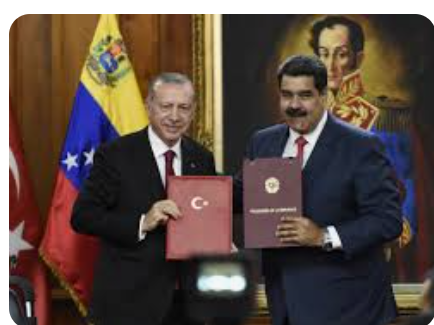 rte maduro
Summary:
Following the capture of Venezuelan President Nicolás Maduro by U.S. forces, Turkey’s close political and economic ties with Caracas have come under renewed international scrutiny. Critics argue Ankara helped sustain Maduro’s regime despite sanctions, while Turkish officials and business leaders strongly deny any involvement in illegal activity.
Turkey’s relationship with Venezuela has returned to the spotlight after the capture of Venezuelan President Nicolás Maduro, prompting renewed debate over Ankara’s role in supporting Caracas amid international sanctions and allegations of criminal activity.
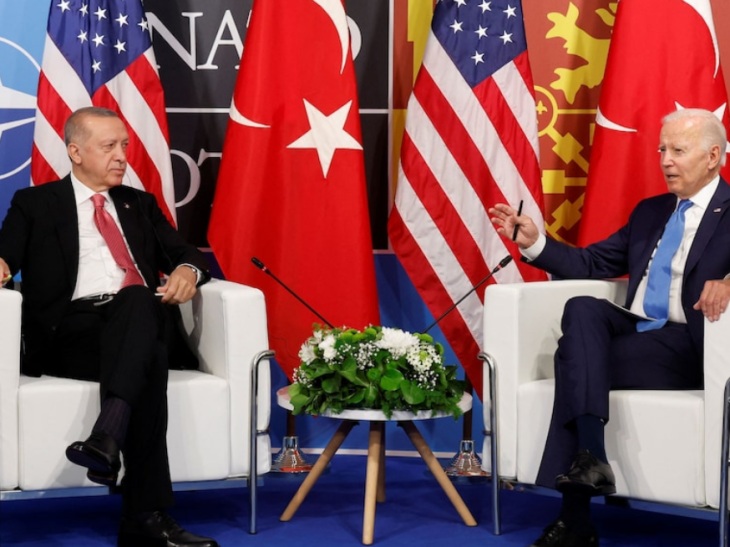
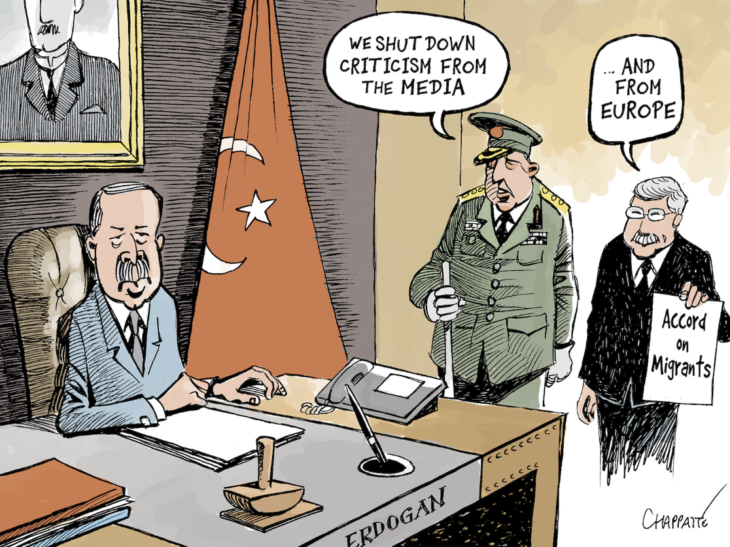
Some U.S. lawmakers and analysts argue that President Recep Tayyip Erdoğan was among Maduro’s most important external backers, providing diplomatic support, economic engagement and access to international markets at a time when Venezuela was increasingly isolated.
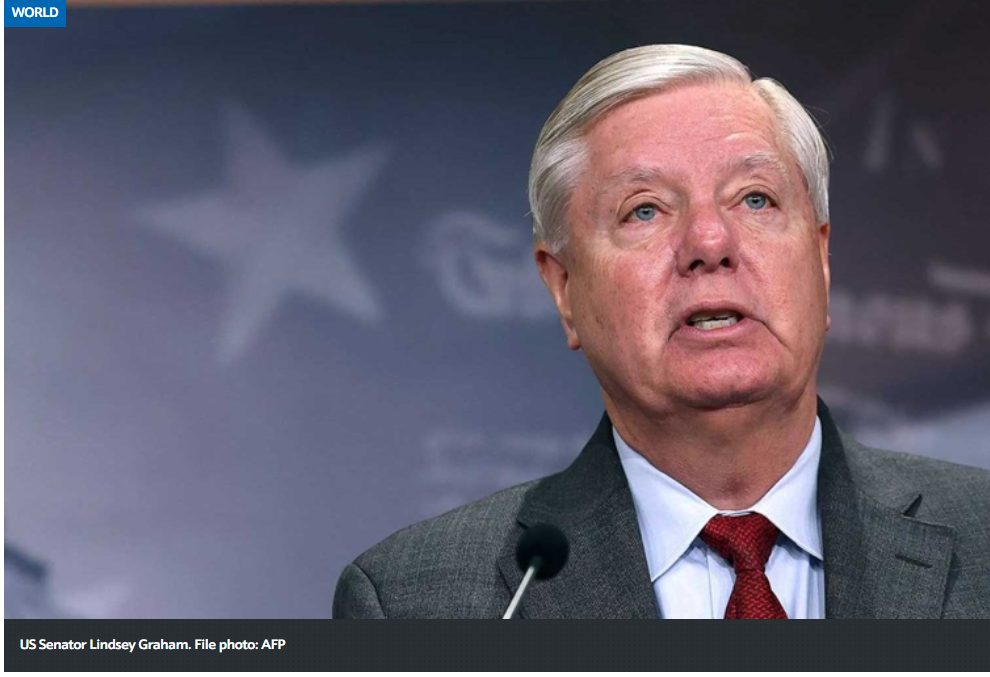
U.S. Senator Lindsey Graham suggested shortly after Maduro’s capture that the Venezuelan leader “could have been in Turkey,” referring to speculation that Ankara may have been considered as a potential destination had Maduro agreed to step down voluntarily. Turkish officials have not commented on the claim.
Expanding ties after 2016
Turkey’s engagement with Venezuela expanded significantly after 2016, transforming what had previously been limited relations into a strategic partnership. Bilateral trade rose from less than $200 million in 2017 to more than $1.1 billion in 2018, with officials at the time publicly setting a longer-term target of $5 billion.
The relationship deepened politically after Maduro was among the first leaders to back Erdoğan following Turkey’s failed coup attempt in July 2016. In 2019, Ankara openly rejected international recognition of opposition figure Juan Guaidó and urged Maduro to resist U.S. and Western pressure.
Since Maduro’s capture, however, Ankara has refrained from directly criticising Washington, a shift noted by observers.
Energy and gold under scrutiny
Critics argue that Turkey’s cooperation with Venezuela extended beyond diplomacy into sensitive economic sectors constrained by U.S. sanctions, including energy, mining and petrochemicals. In 2024, Turkish and Venezuelan officials discussed potential Turkish participation in oil and gas projects and a Turkish-financed fertiliser plant linked to Venezuela’s state petrochemical company Pequiven, which is under U.S. sanctions.
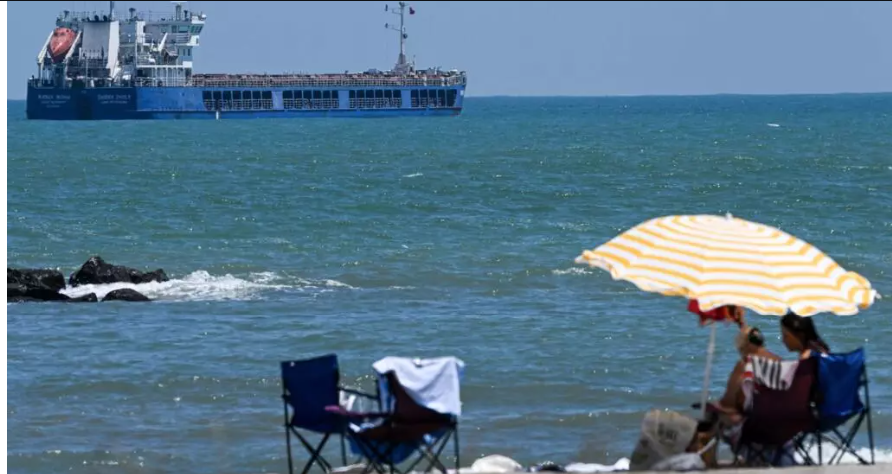
Gold has been a central focus of the debate. According to international trade data, Turkey imported nearly $900 million worth of Venezuelan gold in 2018, a move critics say helped Caracas convert gold into hard currency while bypassing sanctions.
The gold trade has also been linked in U.S. court filings to Venezuelan corruption networks. Businessman Alex Saab, later arrested and extradited to the United States, was accused by U.S. prosecutors of using Turkish-linked companies to sell Venezuelan gold and finance food imports for the government’s CLAP subsidy programme. Saab denied wrongdoing.
Smuggling and drug trafficking allegations
Turkey has also been cited in some reports as a transit point for Latin American cocaine linked to Venezuela. Turkish authorities reported a sharp rise in cocaine seizures after 2020, particularly through the port of Mersin.
In 2021, exiled crime figure Sedat Peker alleged that politically connected individuals facilitated cocaine trafficking between Venezuela and Turkey. Those named denied the allegations, and no court rulings have confirmed the claims.
Turkish business rejects accusations
Turkish officials and business leaders strongly reject allegations that Turkey played any role in illegal gold trade or sanctions evasion.
Ahlatçı Holding chairman Ahmet Ahlatçı said claims that Venezuelan gold was refined at his company’s facility in central Turkey were false.
“Not a single gram of gold came from Venezuela to our refinery, nor was any sent there,” Ahlatçı said, adding that the company had also never processed gold from Iran or Sudan. “All our activities are known to and monitored by the relevant state institutions.”
He said the group, which employs thousands, would not risk its business or workforce by engaging in activities that Turkey or its NATO allies would consider illegal.
Possible U.S. review ahead
Analysts say Turkey’s past dealings with Venezuela may attract closer scrutiny from U.S. authorities following Maduro’s capture, particularly as Washington reassesses networks that may have supported the former regime.
Ankara maintains that its relations with Caracas were conducted within the framework of bilateral trade and international law, and that allegations of criminal involvement remain unproven.
Observers say the future trajectory of the issue will depend on whether concrete legal evidence emerges and how broader U.S.–Turkey relations evolve.
PA Turkey intends to inform Turkey watchers with diverse views and opinions. Articles on our website may not necessarily represent the view of our editorial board or count as endorsement.
Follow our English YouTube channel (REAL TURKEY):
https://www.youtube.com/channel/UCKpFJB4GFiNkhmpVZQ_d9Rg
Twitter: @AtillaEng
Facebook: Real Turkey Channel: https://www.facebook.com/realturkeychannel/***