Ümit Özdağ Acquitted in Presidential Insult Case
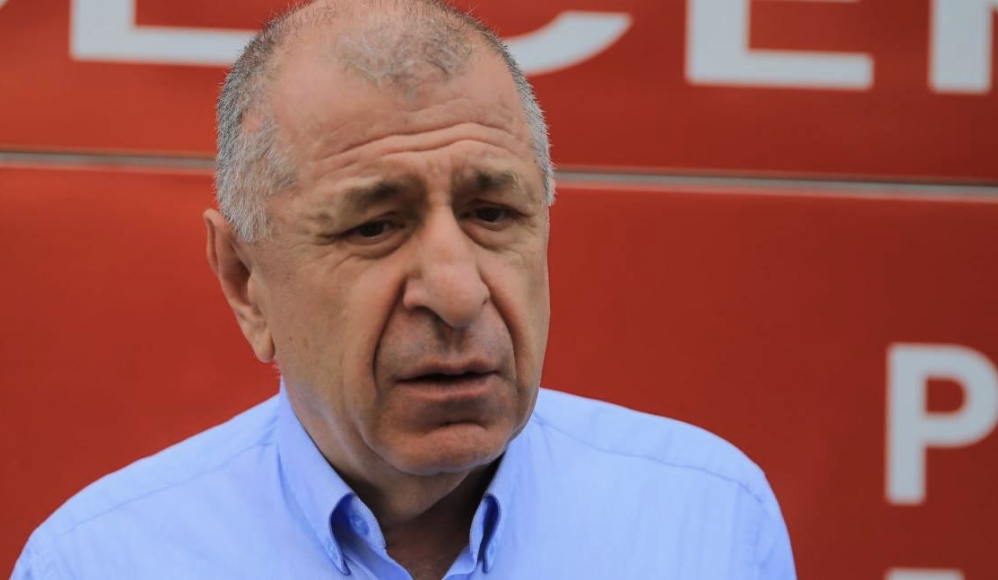 Ümit Özdag
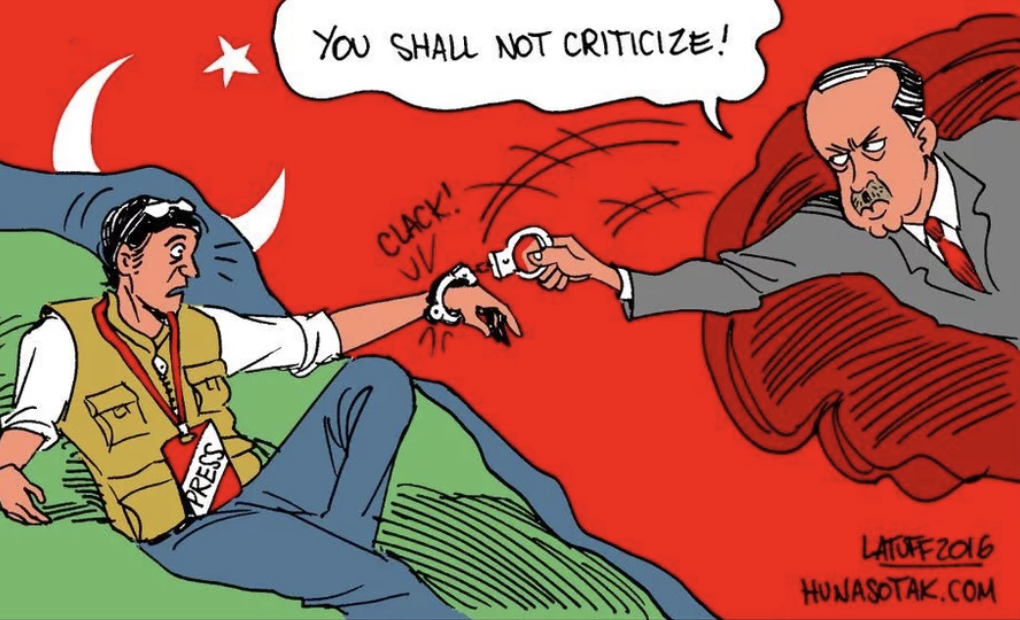
Ümit Özdağ, chairman of the nationalist opposition party Victory Party (Zafer Partisi), has been acquitted of charges of “insulting the president”, bringing an end to a closely watched political trial that sparked legal and jurisdictional controversy in Turkey.
Ümit Özdağ, a professor of political science and leader of the Victory Party, had been on trial over remarks he delivered during a political speech in the southern city of Antalya. Prosecutors argued that the speech constituted an insult against President Recep Tayyip Erdoğan, a charge frequently used in Turkey and punishable under the penal code.
Jurisdiction Dispute Raised Concerns
Although the speech in question was delivered in Antalya, the investigation was initiated by the Istanbul Chief Public Prosecutor’s Office, which immediately triggered debate among legal experts and opposition figures. Critics questioned why a case tied to an event outside Istanbul’s jurisdiction was handled by prosecutors in the country’s largest city, arguing that the decision raised concerns about forum shopping and judicial overreach.
These concerns became a recurring theme throughout the proceedings, with Özdağ’s legal team repeatedly emphasizing that the case should never have been opened in Istanbul in the first place.
“This Trial Should Never Have Happened”
During the third and final hearing, Özdağ and his lawyers presented their defense before the court. When asked to deliver his final statement, Özdağ strongly criticized both the political and legal basis of the case.
He argued that the statements for which he was prosecuted were political criticism, not personal insult. He noted that similar or even harsher criticisms have previously been directed at President Erdoğan by other politicians without resulting in prosecution. According to Özdağ, the case reflected what he described as the use of criminal law as a political weapon against opponents of the ruling establishment.
He concluded by stating that the trial itself was evidence of a broader pattern of politicized justice and formally requested acquittal.
Court Rules: No Criminal Elements Found
After reviewing the case file and hearing the final statements, the court ruled in Özdağ’s favor. The judges concluded that the legal elements of the alleged offense had not been met and, therefore, issued a full acquittal on the charge of insulting the president.
The ruling effectively confirms that Özdağ’s remarks fell within the boundaries of political expression and criticism, rather than constituting a criminal insult under Turkish law.
What Were the Remarks About?
The case stemmed from a speech Özdağ delivered at a provincial party leaders’ meeting in Antalya. In that speech, he sharply criticized President Erdoğan’s political leadership, accusing him of damaging Turkey’s religious, cultural, and historical foundations. Özdağ also linked social and spiritual shifts in Turkish society to the policies and rhetoric of the current administration.
While prosecutors argued that the language crossed into personal insult, the court ultimately disagreed, determining that the statements—though harsh—did not meet the threshold for criminal liability.
Broader Implications for Political Speech
The acquittal is likely to resonate beyond Özdağ personally. Charges of insulting the president have been widely criticized by human rights organizations and legal observers, who argue that they place significant limits on freedom of expression and political debate in Turkey.
By ruling that Özdağ’s statements did not constitute a crime, the court has drawn a more apparent distinction between offensive language and protected political criticism. This line has often been blurred in recent years.
For the Victory Party and other opposition groups, the verdict is being interpreted as a rare legal pushback against the expansive use of insult laws in political cases. Whether it signals a broader shift in judicial practice remains uncertain, but the decision has already become a reference point in ongoing debates about free speech, judicial independence, and political pluralism in Turkey.
Related articles
Turkish Worker Arrested After Protest Banner and Phone Thrown at Erdoğan Rally
UN Experts Urge Türkiye to End Criminalisation of Human Rights Defenders and Lawyers
LeMan Magazine Case: Senior Staff Released, Cartoonists Still in Detention