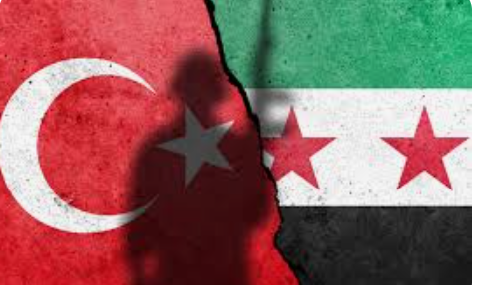
Turkey’s Top Diplomatic and Security Chiefs Head to Damascus
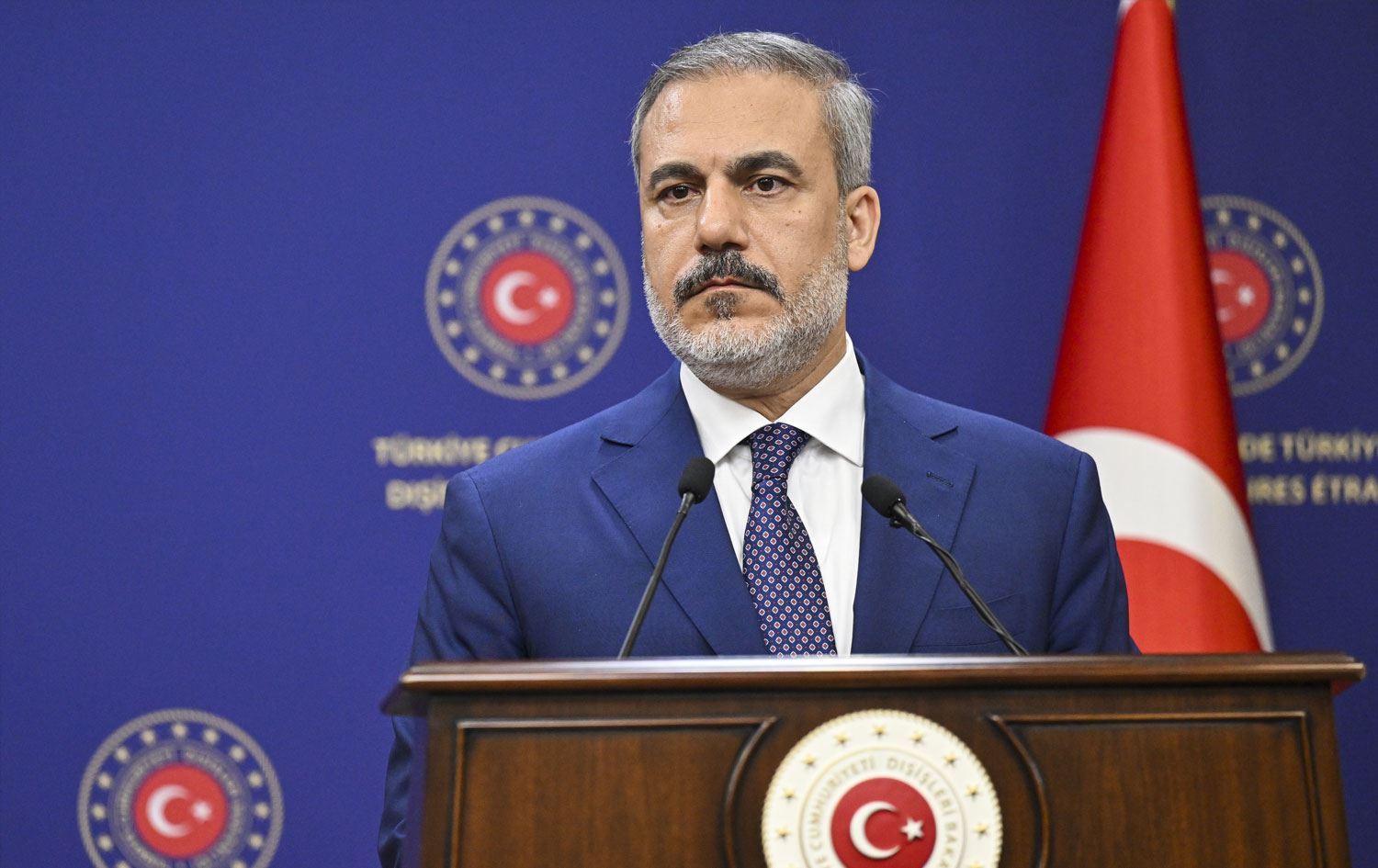 Hakan Fidan
Turkey’s Foreign Minister Hakan Fidan, National Defense Minister Yaşar Güler, and National Intelligence Organization (MİT) President İbrahim Kalın are traveling today to Damascus, marking another significant step in the evolving Turkey–Syria dialogue.
The delegation is expected to meet with Ahmed Şara, Syria’s Interim President, and senior Syrian officials. The visit comes at a sensitive moment for regional security and bilateral relations, one year after the fall of the Bashar al-Assad administration.
Reviewing One Year After Assad’s Fall
According to Turkish Foreign Ministry sources, the visit coincides with the first anniversary of the collapse of the Assad regime on 8 December, providing a symbolic backdrop for assessing the trajectory of Turkey–Syria relations over the past year.
Officials stated that discussions will focus on how bilateral engagement has evolved since the political transition in Damascus, including security coordination, diplomatic normalization, and institutional rebuilding. The talks are expected to offer both sides an opportunity to align expectations and recalibrate priorities for the year ahead.
SDG Agreement and Southern Syria Security Risks
A key item on the agenda is the implementation process of the 10 March agreement signed between the Damascus administration and the Syrian Democratic Forces (SDG). Turkish officials are expected to closely examine how the deal is being enforced on the ground and its implications for regional stability.
In parallel, the delegation will address growing security risks in southern Syria, an area increasingly affected by armed activity, cross-border threats, and fragile governance structures. Ankara has repeatedly emphasized that instability in the south could undermine broader normalization efforts and spill over into neighboring countries.
Countering the Resurgence of ISIS
Another central focus of the Damascus meetings will be the rising number of attacks attributed to ISIS in different parts of Syria. Turkish diplomatic sources confirmed that cooperation aimed at preventing ISIS from regaining operational strength will be discussed in depth.
The talks are expected to explore intelligence sharing, border security coordination, and joint mechanisms to disrupt recruitment and logistics networks. Ankara has consistently warned that security vacuums in post-conflict Syria could create opportunities for extremist groups to re-emerge.
Reconstruction and Capacity Building
Beyond security, economic recovery and state-building will also be high on the agenda. Turkish officials noted that the visit will include discussions on bilateral projects supporting Syria’s reconstruction and efforts to strengthen the Syrian government’s institutional capacity.
According to Foreign Ministry sources, evaluating ongoing cooperation programs and identifying new areas for technical and administrative support are part of the planned agenda. These initiatives are seen as critical to stabilizing Syria and restoring typical governance structures.
Diplomatic Normalization Gains Momentum
The visit also carries diplomatic significance. Nuh Yılmaz, who officially begins his role today as Turkey’s ambassador-level representative to Syria—the first such appointment in 13 years—is also expected to travel to Damascus. His presence underscores Ankara’s intention to institutionalize diplomatic engagement after more than a decade of limited official representation.
A Year of Intense High-Level Contacts
This latest trip builds on a series of high-level engagements over the past year. Minister Fidan first visited Syria on 22 December 2024, shortly after the Assad government’s collapse. Since then, Turkey and Syria have held multiple meetings in a 3+3 format, bringing together foreign affairs, defense, and intelligence chiefs from both sides.
In this context, Syrian Foreign Minister Esad Hasan Şeybani visited Turkey on 15 January 2025 with a senior delegation. That meeting was followed by a joint working visit to Syria on 13 March, and another security-focused meeting in Ankara on 12 October.