



Togg’s German Debut Falters as Sales Disappoint
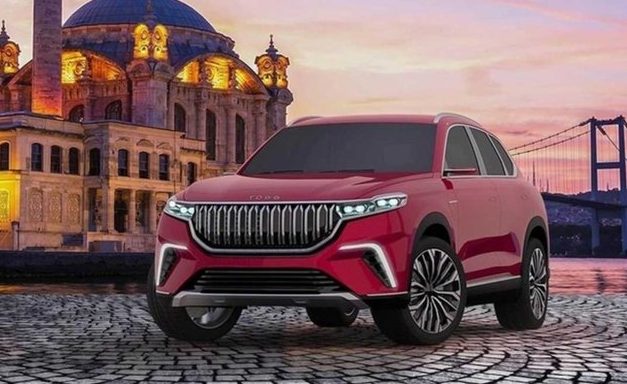 togg
togg
Türkiye’s domestically developed electric vehicle brand Togg officially began its European journey in Germany, a country chosen strategically due to its large Turkish diaspora and strong automotive culture. The launch was framed as a symbolic milestone: a Turkish-designed, engineered, and manufactured electric vehicle finally entering the heart of Europe’s car market.
However, early sales figures released by Germany’s vehicle authority suggest that this ambition has met a far more challenging reality than expected.
Launch Events and Market Entry Timeline
Togg’s German introduction began with a high-profile unveiling at the IAA Mobility fair in Munich on 8 September 2025. At the event, Togg showcased its two flagship models, the T10X SUV and the T10F fastback, positioning them as technologically advanced “smart devices” rather than conventional automobiles.
Pre-orders opened on 29 September, and on 31 October, Togg hosted a dedicated event at its Stuttgart hub, where German-based users met the vehicles in person. This moment marked the first time Togg-branded cars officially took to German roads, reinforcing the company’s message of confidence and long-term commitment to Europe.
Sales Figures Reveal a Difficult Start
Despite competitive pricing—reportedly lower than in Türkiye when currency differences are considered—sales numbers remained modest. Data published by the Kraftfahrt-Bundesamt (KBA) revealed the scale of the challenge.
In October, only six Togg vehicles were registered in Germany. November saw a slight increase with 22 registrations. By the end of December, the cumulative total stood at just 53 registered Togg vehicles nationwide.
For a market as large and competitive as Germany, these figures underline how difficult it is for a new entrant—especially a brand without long-standing recognition—to gain traction.
Diaspora Expectations vs. Market Reality
Germany is home to millions of people of Turkish origin, leading to widespread assumptions that emotional attachment and national pride might boost demand. The early data, however, suggests otherwise.
The weak performance sparked debate within Türkiye’s automotive and business circles, particularly around the role of diaspora consumers in supporting domestic brands abroad. The assumption that expatriate communities would naturally favor a “homegrown” product appears to have been overestimated.
Industry Veteran Criticizes the Lack of Interest
Following the release of the November figures, Hakan Doğu, former CEO of Renault Türkiye and a veteran of the automotive sector, offered a blunt assessment. Reacting on the social media platform X, Doğu pointed directly to Turkish expatriates’ indifference toward the brand.
Referring to data shared by electric vehicle analyst Zeyd Acar, Doğu noted that the outcome aligned with his earlier predictions. While expressing disappointment, he emphasized that purchasing decisions in the automotive market are rarely driven by sentiment alone.
“These numbers are genuinely sad,” Doğu wrote. “But as I predicted before, when it comes to buying cars, our people don’t show much nationalism—even if they live abroad.”
His remarks resonated widely, reigniting discussions about consumer behavior, brand loyalty, and whether emotional narratives can truly influence purchasing decisions in a highly rational and competitive market.
Structural Challenges in the German EV Market
Beyond sentiment, Germany’s electric-vehicle market poses structural barriers for newcomers. Established brands dominate consumer trust, dealership networks, after-sales service, and financing options. German buyers, including those of Turkish origin, tend to prioritize reliability, resale value, and service accessibility over symbolic value.
While Togg’s models are positioned as technologically advanced and competitively priced, building brand awareness and confidence takes time—particularly in a market accustomed to long-standing automotive giants.
A Long Road Ahead for Togg in Europe
Togg’s early German performance highlights the gap between ambition and execution in global market expansion. Entering Europe’s most demanding automotive market was always expected to be difficult, but the initial figures underline just how steep the climb may be.
That said, industry observers caution against concluding from the first few months alone. Brand-building, regulatory adaptation, charging infrastructure partnerships, and localized marketing strategies all take time to mature.
For Togg, Germany represents not only a test market but also a learning ground. Whether the company can translate its domestic success into sustainable European growth will depend on how effectively it addresses consumer trust, visibility, and long-term value