Forks on the Tables, Tensions in the Factories: Turkey’s Metal Workers Revolt
 auto
auto
Tensions in Turkey’s metal industry are escalating rapidly after collective bargaining talks between the Turkish Metal Union (Türk Metal) and the Turkish Employers’ Association of Metal Industries (MESS) for the 2025–2027 collective labor agreement ended in a formal deadlock. Following the official dispute record issued on December 8, 2025, protest actions have expanded from union statements to coordinated demonstrations at some of the country’s largest industrial facilities.
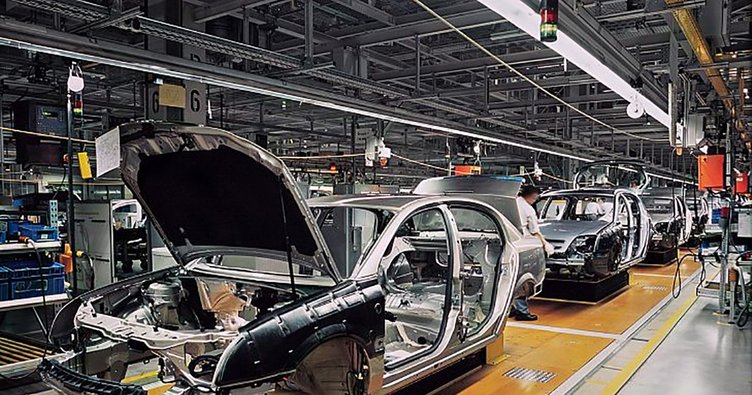
Workers at major manufacturing plants, including TOFAŞ, Oyak Renault, Oyak Horse, Ford Otosan, Arçelik, Aptiv, Fompak, and TKG Otomotiv, have begun organized protests in the workplace. The demonstrations are aimed at rejecting MESS’s wage proposals, which unions argue remain below inflation, as well as employer demands for more flexible working arrangements. Türk Metal has stated clearly that it has refused what it describes as “offers that would push workers deeper into poverty.”
Breakdown in Collective Bargaining Talks
The collective bargaining negotiations, covering tens of thousands of workers in Turkey’s metal sector, stalled after the two sides failed to reach an agreement on wage increases and working conditions. The issuance of an official dispute protocol marked a critical turning point, automatically activating the union’s step-by-step action plan.
According to union representatives, the core disagreement lies in the gap between rising living costs and the wage increases employers have proposed. Türk Metal argues that MESS’s offer fails to protect workers’ purchasing power amid ongoing inflation, which continues to erode real incomes. The disagreement extends beyond wages, however, touching on structural issues related to work organization and labor rights.
Black Wreath Protest at MESS Headquarters
The first visible reaction came just days after negotiations collapsed. On Thursday, December 12, Türk Metal organized simultaneous press statements in front of the MESS headquarters in Istanbul and at regional offices in Ankara, Bursa, and Izmir.
Union leaders and workers gathered outside the buildings, placing black wreaths at the entrances as a symbolic protest. In their statements, union officials accused MESS of adopting an uncompromising stance and warned that the proposals on the table went beyond a simple wage dispute.
They emphasized that the employer demands represented, in their view, a direct challenge to previously secured labor rights, stressing that the issue at hand was not only about pay but also about protecting long-established working conditions.
Protests Move Inside Factories
After the initial warning actions outside employer offices, the union moved to the second phase of its action calendar on Tuesday, December 16. This stage marked a shift from symbolic protests to workplace-based demonstrations, spreading across all facilities where Türk Metal is organized.
At some of Turkey’s largest industrial plants, workers began participating in coordinated actions during shift changes, meal breaks, and after-hours. The demonstrations have remained non-violent and production-focused, but they are apparent and designed to send a strong message to employers.
Forms of Workplace Demonstrations
Union sources report that factory-level protests have been carefully structured to maximize visibility while remaining within legal boundaries. The actions include several distinct formats carried out according to a predetermined schedule.
During shift entrances and exits, workers walk together in groups, chanting slogans to express opposition to the employer proposals. These collective movements are intended to demonstrate unity and scale without disrupting safety protocols.
In factory cafeterias, employees engage in what has become the most symbolic element of the protests. During meal breaks, workers spend 10 minutes banging forks and spoons on tables, creating a loud, coordinated noise action that has drawn widespread attention across industrial sites.
At the end of shifts, workers gather in company shuttle areas, where they wait for 10 to 15 minutes, then applaud and chant in protest before boarding transportation. These actions are meant to underline dissatisfaction while maintaining production continuity.
“Offers Detached From Economic Reality”
Türk Metal representatives have repeatedly stated that the demonstrations are a direct response to what they describe as unrealistic and inadequate proposals from MESS. According to union sources, the wage increase offered for the first six months of the contract period remains below the realized six-month inflation rate of around 13%.
From the union’s perspective, accepting such an offer would lock workers into declining real wages from the very start of the agreement. Türk Metal argues that this approach ignores current economic conditions and the rising cost of living faced by industrial workers.
Beyond wages, the union has also strongly objected to employer demands related to flexible working models, including extended balancing periods, compensatory work, and longer probation periods. Union officials describe these administrative proposals as violations of their “red lines,” warning that they could weaken job security and labor protections.
What Comes Next in the Process
Under Turkey’s labor law framework, the dispute process now continues under the supervision of an officially appointed mediator. While mediation remains ongoing, Türk Metal has signaled that protest actions could intensify if the employer side does not revise its position.
The unfolding situation is being closely watched across the industrial sector, as the MESS–Türk Metal agreement traditionally sets a benchmark for wages and working conditions in manufacturing. Any prolonged conflict could have broader implications for labor relations, industrial stability, and production planning in Turkey’s export-driven metal industry.