Banks Set New ATM Rules: Higher Withdrawal Limits With a Key Distinction
 bank
bank
Starting with the new year, banks in Turkey are preparing to introduce a significant change in how customers use ATMs, reshaping daily cash withdrawal habits. Private banks are moving toward a new model that formally distinguishes between branch-based ATMs and off-site ATMs, a shift designed to optimize cash management, security, and operational efficiency across their networks.
Under the upcoming framework, customers will notice different daily withdrawal limits depending on the ATMis physical location. While the change may seem subtle at first glance, it represents a notable transformation in banks’ approach to cash distribution and ATM operations.
Higher Limits at Branch-Based ATMs
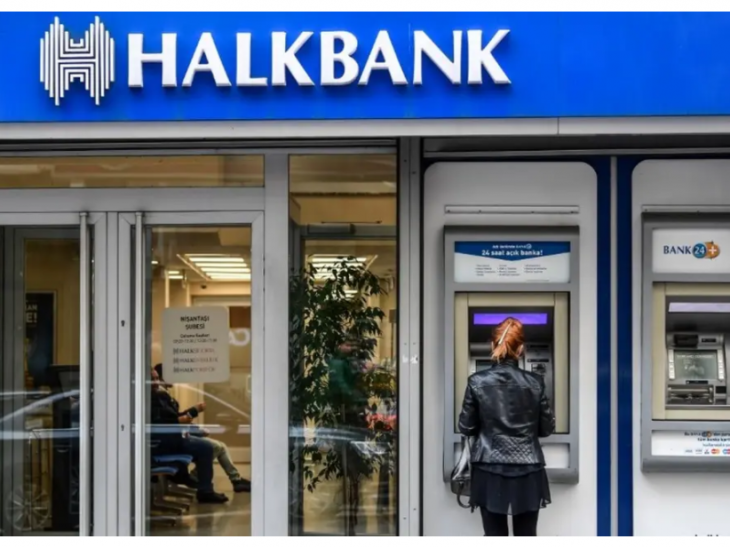
The most impactful change applies to ATMs located inside bank branches or directly adjacent to them. According to the new practice, private banks plan to increase daily cash withdrawal limits at these machines significantly. Industry expectations suggest that withdrawal caps at branch-based ATMs could exceed 50,000 Turkish lira per day, a sharp increase compared with current standards.
Banks reportedly favor this approach because ATMs within or attached to branches are easier to monitor and manage. Processes such as banknote tracking, cash replenishment, and security controls can be handled more efficiently when machines are located in controlled environments. Branch-based ATMs allow staff to intervene quickly in the event of technical issues, cash shortages, or suspicious activity, thereby reducing operational risk.
For customers who rely on larger cash withdrawals—such as business owners, tradespeople, or individuals making high-value payments—this change could offer meaningful convenience. Instead of splitting transactions across multiple days or incurring fees, users may be able to access larger sums in a single visit, provided they use branch-based ATMs.
Off-Site ATMs to See More Limited Increases
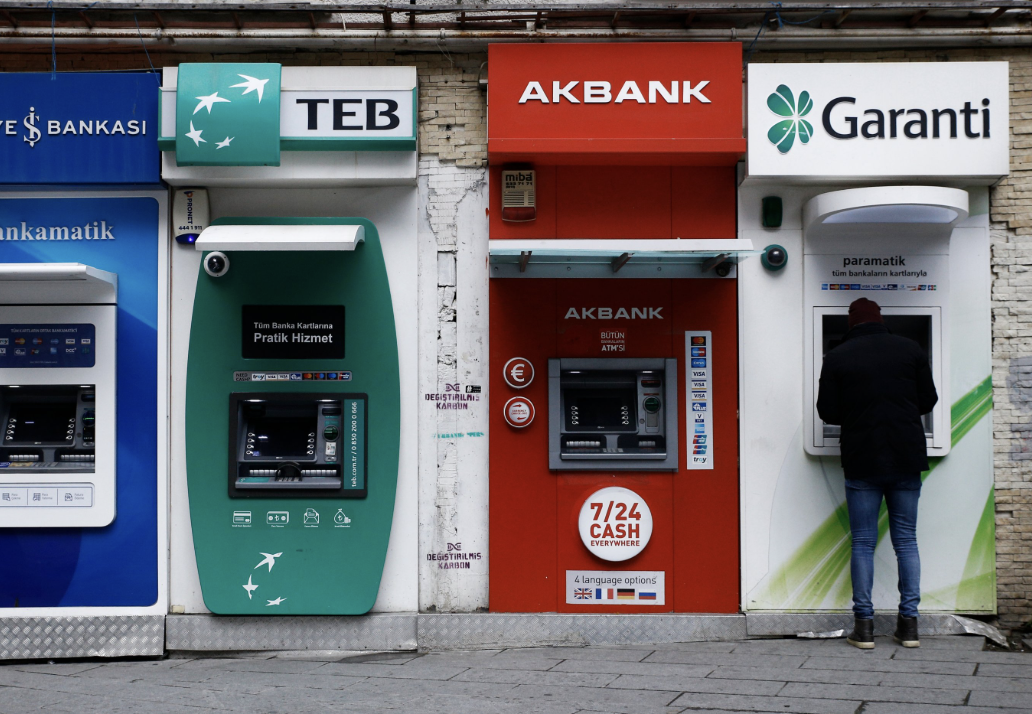
The distinction becomes clearer when considering off-site ATMs, which include machines located on busy streets, in shopping malls, at metro stations, or in other high-traffic public areas. While banks do plan to raise withdrawal limits at these ATMs as well, the increase will be more restrained.
According to sector sources, daily withdrawal limits at off-site ATMs are expected to remain below 50,000 lira, even after adjustments. The primary reasons relate to security and logistics. Off-site ATMs are more vulnerable to physical risks, vandalism, and theft, and they typically require more complex cash transportation and monitoring processes.
By maintaining lower limits at these locations, banks aim to reduce exposure to operational disruptions while still offering customers modestly improved access to cash. The model reflects a balance between convenience and risk management rather than a uniform increase across all machines.
Why Banks Are Making This Change
At the core of the new system lies a strategic goal: making cash management more efficient while reducing ATM-related operational costs. Cash handling remains one of the most resource-intensive aspects of retail banking, involving armored transport, frequent replenishment, insurance, and security infrastructure.
Branch-based ATMs simplify many of these processes. Cash replenishment can often be synchronized with branch operations, lowering transportation frequency and costs. Security measures are also easier to enforce within branch premises, where surveillance and personnel are already in place.
From a broader perspective, the differentiation allows banks to allocate resources more intelligently, directing higher cash availability to locations with lower risk and stronger oversight. This targeted approach is increasingly common as banks seek efficiency gains amid rising operational expenses.
How This Compares With Current Withdrawal Limits
At present, many banks in Turkey offer commission-free daily withdrawal limits ranging between 10,000 and 15,000 lira. Amounts exceeding these limits often trigger transaction fees, particularly at off-site ATMs or when customers use machines outside their own bank’s network.
The planned changes mark a substantial expansion from these levels, especially for branch-based ATMs. While not all banks have publicly announced exact figures, expectations of limits exceeding 50,000 lira highlight how significant the adjustment could be for frequent cash users.
However, customers should still expect variation between banks. Withdrawal limits are likely to vary by bank policy, customer segment, and account type, so individuals may need to review their bank’s specific terms once the changes take effect.
What Customers Should Expect Going Forward
As the new year approaches, customers are likely to see more explicit labeling or digital indicators distinguishing branch-based ATMs from off-site machines. Banks may also update mobile applications and ATM screens to reflect location-based limits, helping users plan withdrawals more efficiently.
While the change primarily benefits those who use cash intensively, it also signals a broader shift in banking strategy—one that emphasizes more innovative use of infrastructure rather than blanket policy changes. For everyday users, the immediate impact may be limited, but for certain segments, the new system could significantly reduce friction and fees.
Ultimately, the move underscores how banks continue to adapt traditional services like cash access to modern operational realities. By redefining ATM usage based on location, banks aim to deliver higher limits where control is strongest, while maintaining stability and security across their wider networks.