Child Crime Soars in Türkiye as Millions of Out-of-School Youth Become Prime Targets for Gangs
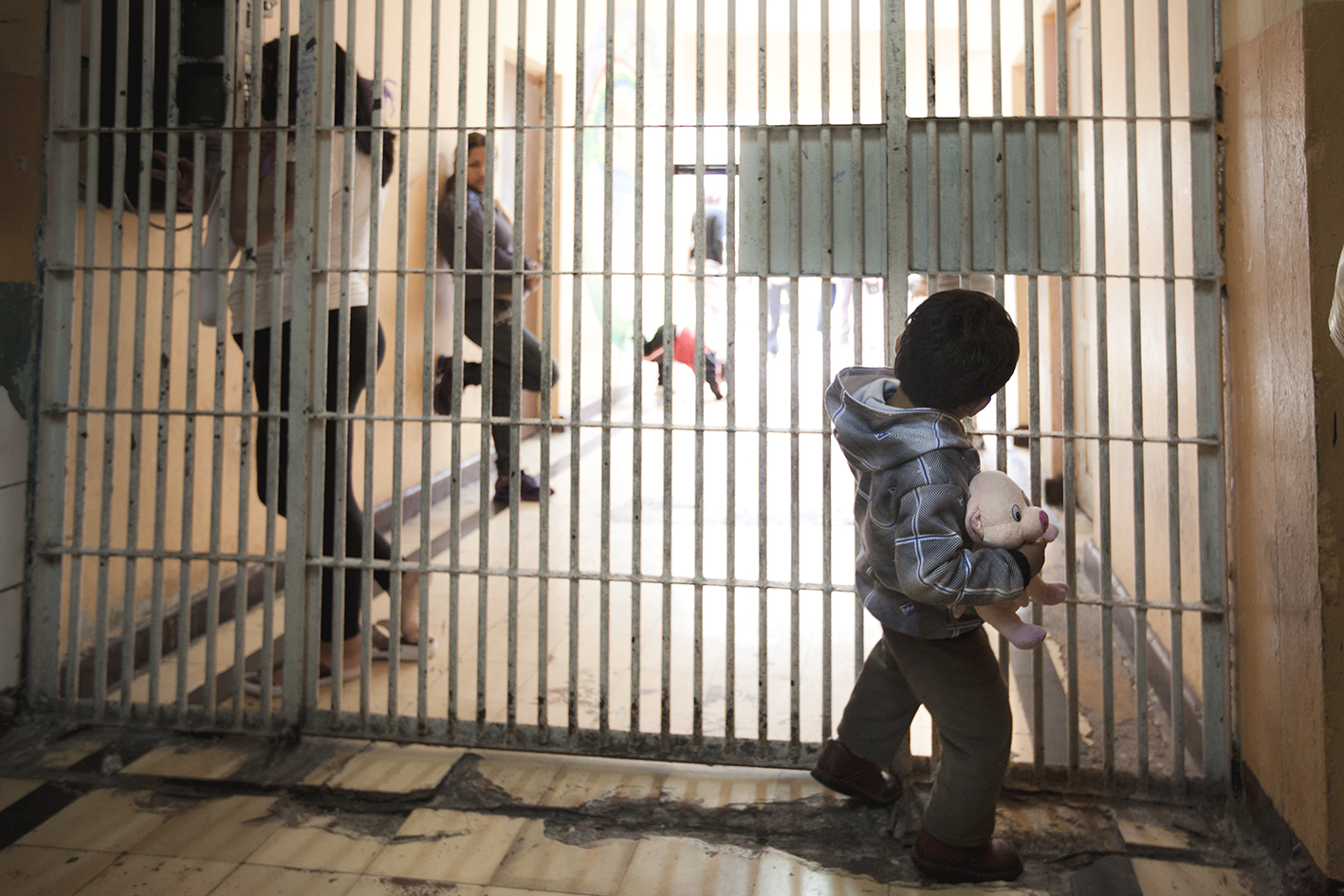 Children Prisons
New data from the Turkish Statistical Institute (TÜİK) and the Education Reform Initiative (ERG) reveals a rapidly deepening crisis involving children, crime, and education in Türkiye. The number of minors drawn into criminal activity has surged sharply, while millions of children remain disconnected from the education system. Experts warn that widening social and economic fractures are leaving an entire generation increasingly exposed to organized crime.
According to TÜİK, 179,000 children were involved in criminal incidents in 2023. That figure climbed to 202,785 in 2024, representing a year-on-year increase of 13.9 percent and a cumulative rise of 51.5 percent over recent years. These numbers point to a structural problem that extends beyond individual crimes and reflects broader failures in social protection and education.
Millions of Children Outside the School System
At the same time, Türkiye is facing an alarming education gap. An ERG report shows that 611,000 children of compulsory school age are not attending school. When all age groups are included, the total number of children outside the education system exceeds 3.2 million.
The age profile of these children raises even greater concern. Nearly two-thirds of out-of-school children fall within the 14–17 age range, which experts identify as the primary recruitment pool for criminal organizations. Instead of being in classrooms, millions of teenagers are spending their formative years without institutional support, making them highly vulnerable to exploitation.
Types of Crimes Involving Children
TÜİK data also details the nature of crimes involving minors. In 2024, approximately 40 percent of cases involved physical injury, 16 percent were related to theft, and 8.2 percent were linked to drug-related offenses. These figures suggest that children are not only increasingly involved in crime but are also being drawn into more violent and organized activities.
Specialists attribute this trend to a combination of economic hardship, social exclusion, and weak coordination between institutions. The ERG report emphasizes that gaps between education, justice, and social services leave children unprotected, particularly in low-income neighborhoods.
Gangs Turning Children Into Hitmen and Couriers
Recent indictments have provided concrete evidence of how criminal networks exploit these vulnerabilities. Court documents related to street gangs show that children are being recruited through threats, blackmail, or financial incentives and then used as hitmen, couriers, and lookouts.
One indictment targeting a criminal organization led by Barış Boyun has drawn particular attention. Prosecutors described how minors between the ages of 15 and 18 were systematically recruited for violent operations. In this case, prison sentences of up to 75 years were sought for 40 children, highlighting how deeply youth involvement has penetrated organized crime structures.
Social Media Recruitment and “New-Generation” Gangs
Unlike traditional criminal groups, newer gangs rely heavily on digital platforms. According to prosecution files, social media—especially Instagram—has become a key recruitment tool. Children living in economically disadvantaged districts such as Gaziosmanpaşa, Bağcılar, and Esenyurt are targeted with promises of fast money, luxury lifestyles, hotel stays, and drugs.
Investigators note that these tactics quickly transform vulnerable teenagers into what they describe as “low-cost hitmen,” used in armed attacks and other violent acts. When combined with ERG’s education data, the scale of the threat becomes clearer: millions of out-of-school children represent a vast and largely unprotected population.
Issue Raised in Parliament
The growing crisis has also entered the parliamentary agenda. İYİ Party lawmaker Şenol Sunat brought the issue to the floor, citing extensive juvenile crime data. He stated that in 2024 alone, there were 665,000 investigation files involving children, and that the number of children dragged into crime reached 483,000 under broader legal definitions.
Sunat warned that criminal involvement is spreading to younger age groups. “Crime has surged even among children under the age of 11,” he said, adding, “In many cases, the perpetrator is a child, and the victim is also a child.”
He also drew attention to the sharp decline in early childhood education in low-income areas, noting a 39 percent drop in public preschool availability. According to Sunat, this withdrawal leaves a vacuum that is increasingly filled by gangs and other unregulated actors.
Raising pointed questions to government officials, Sunat asked: “Who is pushing these children into crime? Is it poverty, exclusion from education, or the collapse of our social values?”
A Structural Crisis, Not Just a Security Issue
Experts stress that the rise in child crime cannot be addressed through policing alone. Instead, it reflects deeper structural problems such as poverty, unequal access to education, weakened social services, and fragmented institutional coordination. As millions of children drift away from schools and formal support systems, criminal organizations are stepping in with alarming speed and efficiency.
Related articles