Weak Dollar Theme Holds, Oil Prices Slump, Setting a Positive Backdrop for Türkiye
 borsa-doviz2
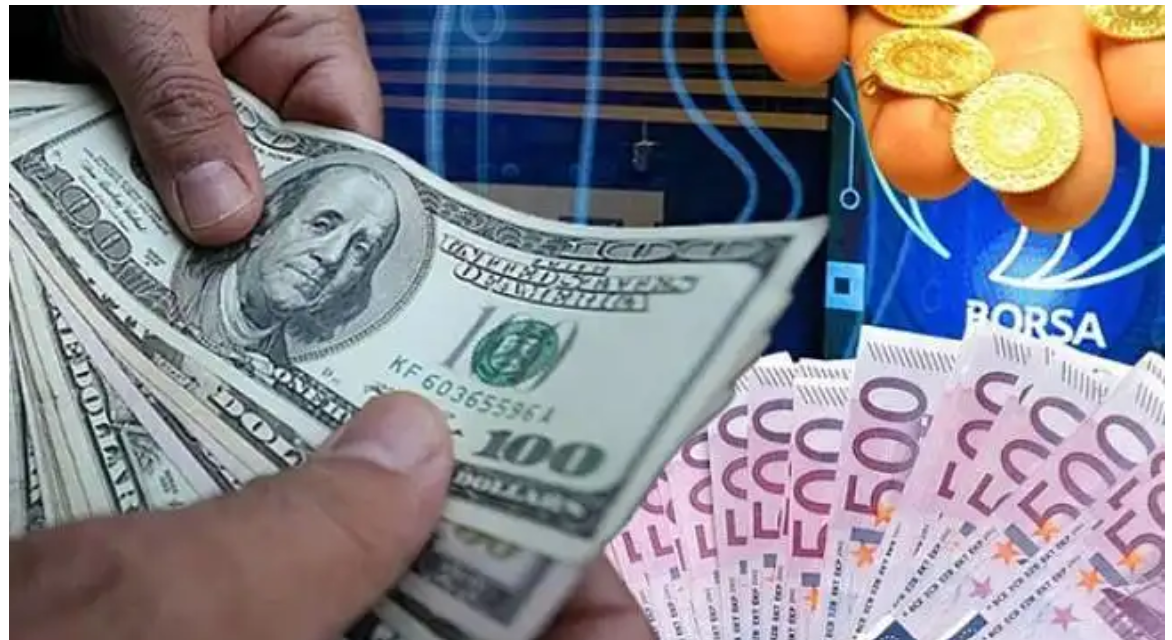
Global markets are entering the year-end period with a clear macro narrative: a weakening U.S. dollar, sharply lower oil prices, and easing inflation pressures. Recent U.S. labor data failed to derail expectations for Federal Reserve rate cuts in 2026, while collapsing energy prices are providing a powerful tailwind for energy-importing economies. Against this backdrop, Türkiye stands out as a relative beneficiary, with lower oil prices supporting disinflation, the current account, and confidence in lira-denominated assets.
U.S. Data Fails to Shift the Narrative
Global financial markets were focused on delayed U.S. macroeconomic releases this week, postponed earlier due to the federal government shutdown. The long-awaited November labor report did little to excite investors or change the prevailing outlook.
Nonfarm payrolls rose by 64,000 in November, beating expectations of a 50,000 increase and largely offsetting the sharp contraction seen in October, which had been distorted by job losses linked to the government shutdown. The unemployment rate rose to 4.6%, its highest level in four years, but much of that increase appears to reflect data collection issues rather than a sudden deterioration in labor market fundamentals.
In line with the Federal Reserve’s mandate of price stability and maximum employment, the data reinforced the view that the U.S. economy is cooling gradually rather than sliding into a sharp downturn. Following last week’s quarter-point rate cut, the Fed’s “wait-and-see” stance remains intact. Markets continue to price in two additional rate cuts in 2026, with attention now shifting to upcoming U.S. inflation data and a packed week of global central bank meetings.
UK and Europe Signal Slowing Momentum
In the United Kingdom, labor market data added to concerns about slowing growth. The unemployment rate climbed to its highest level since early 2021, while private-sector wage growth weakened to its softest pace in several years. These signals strengthen the case for a rate cut by the Bank of England, even as stubbornly high inflation complicates the policy calculus.
Sterling briefly tested an eight-week high near 1.3455 against the dollar before retreating below 1.34. A sustained move below the 1.3350 level could signal a shift in momentum for the pound.
Across Europe, investors are also watching closely for signals from the European Central Bank, as well as the Bank of Japan later in the week. While expectations vary, the common theme is that global monetary policy is gradually turning more accommodative.
Asia Holds Steady, China Boosts Tech Ambitions
U.S. equity markets ended the previous session largely unchanged, while Asian markets opened the new day on a modestly positive note. Chinese equities led gains, helped by strong investor interest in technology and semiconductors.
A notable highlight came from Shanghai, where domestic AI chipmaker MetaX saw its shares surge nearly sevenfold on its debut. The rally underscored Beijing’s determination to reduce dependence on U.S. technology and accelerate support for domestic semiconductor champions. This momentum spilled over into broader Asian markets, with Chinese and South Korean equities benefiting from renewed enthusiasm for AI and chip-related themes.
Oil Prices Collapse: A Key Positive for Türkiye
The most consequential development for Türkiye came from the commodity markets. Brent crude prices fell to as low as $58.7 per barrel, marking their lowest levels in years and bringing prices close to post-pandemic lows. Had prices dipped just slightly further, markets would have been testing levels not seen since the depths of the COVID-19 shock.
Weak economic data from China—the world’s primary engine of incremental oil demand—played a central role in driving prices lower. Combined with ample global supply, the result has been sustained downward pressure on energy markets.
For net energy importers such as Türkiye and the Turkish Republic of Northern Cyprus, this decline is unambiguously positive. Lower oil prices directly support disinflation efforts, reduce the energy import bill, and improve the current account balance. From a macroeconomic perspective, few external developments could be more supportive of Türkiye’s ongoing stabilization program.
Venezuela Tensions Spark Only a Modest Rebound
Oil prices edged slightly higher in early trading following reports of rising geopolitical tensions involving Venezuela. U.S. President Donald Trump announced a “total and complete” blockade on sanctioned Venezuelan oil tankers, reviving concerns about supply disruptions.
Despite the headline risk, the market response was muted. Brent and U.S. crude prices recovered just over 1%, clawing back only a small portion of the previous day’s losses. Investors appear unconvinced that the move will materially tighten global supply in the near term.
Washington’s pressure campaign against Venezuela reflects a combination of security, energy, and geopolitical considerations. U.S. officials continue to frame Venezuela as a hub for narcotics trafficking and organized crime, while also viewing its close ties with China and Russia as a strategic threat. Venezuela’s vast oil reserves, support for Cuba, and its role in migration flows toward the U.S. further complicate the picture.
Lira Assets Benefit from Global Risk Appetite
In an environment of rising global risk appetite, Türkiye’s high-yielding lira assets are increasingly well positioned to outperform. Türkiye’s substantial gold reserves allow it to benefit from the ongoing rally in precious metals, while falling energy prices provide an additional macro cushion.
These positives are reinforced by a more constructive tone in U.S.–Türkiye relations in recent months. Together, they support a favorable outlook for Turkish assets at a time when many emerging markets remain vulnerable to external shocks.
Türkiye’s five-year CDS risk premium has fallen to around 215 basis points, its lowest level since 2018, signaling a marked improvement in perceived sovereign risk. Meanwhile, the USD/TRY exchange rate continues to trade within a tightly managed band near 42.70, reflecting authorities’ commitment to financial stability.
Precious Metals Extend Their Rally
Precious metals remain one of the standout performers of the year. Silver climbed to $66 per ounce, setting a fresh all-time high, while gold rebounded toward $4,330 per ounce, edging closer to its record near $4,385.
With the weak-dollar theme firmly in place and year-end liquidity thinning, markets are increasingly embracing a “Santa Claus rally” in precious metals. While some profit-taking may emerge before year-end, the broader structural case for gold and silver remains intact heading into 2026.
Türkiye’s Housing Market Shows Signs of Life
Domestic data also offered encouraging signals. Türkiye’s statistical agency reported 141,000 home sales in November, with a notable increase in mortgage-backed transactions. The rise suggests that easing financial conditions and the prospect of further rate cuts are beginning to feed through into housing demand.
Foreign demand remains subdued, but the most striking development is that real housing prices have turned positive on an annual basis for the first time in a long while. This shift strengthens the case for including real estate in the 2026 investment outlook for Türkiye.
Looking Ahead: Central Banks in Focus
As year-end approaches, liquidity conditions are thinning, making near-term price signals harder to interpret. The immediate focus is on inflation data from the euro zone and the UK, followed by U.S. inflation figures.
Markets will also digest policy decisions from the Bank of England and the ECB, with a 25-basis-point cut expected in the UK, and a likely hold in Europe. On Friday, attention turns to the Bank of Japan, where a rate hike is anticipated, though its broader market impact may be limited if policymakers avoid signaling an aggressive tightening cycle.
Bottom Line:
A weaker dollar, collapsing oil prices, and improving global risk sentiment are combining to create a rare window of opportunity for Türkiye. Lower energy costs strengthen the disinflation story, improve external balances, and bolster confidence in lira-denominated assets. Against this backdrop, Türkiye enters 2026 with a more supportive external environment than it has enjoyed in years.
Author Treasury Specialist Mr Emre Degirmencioglu, Kıbrıs İktisat Bankası
PA Turkey intends to inform Turkey watchers with diverse views and opinions. Articles in our website may not necessarily represent the view of our editorial board or count as endorsement.
Follow our English YouTube channel (REAL TURKEY): https://www.youtube.com/channel/UCKpFJB4GFiNkhmpVZQ_d9Rg
Twitter: @AtillaEng
Facebook: Real Turkey Channel: https://www.facebook.com/realturkeychannel/
Related articles
Erdoğan says Türkiye’s economic resilience at historic high amid global tensions

Emerging market stocks fall immensely due to Chinese regulatory efforts

COMMENTARY: Iran War Escalates Into Global Shock as Türkiye Faces Economic and Strategic Risks