No Press Freedom Left: Turkey Jails Journalist Over YouTube Comments
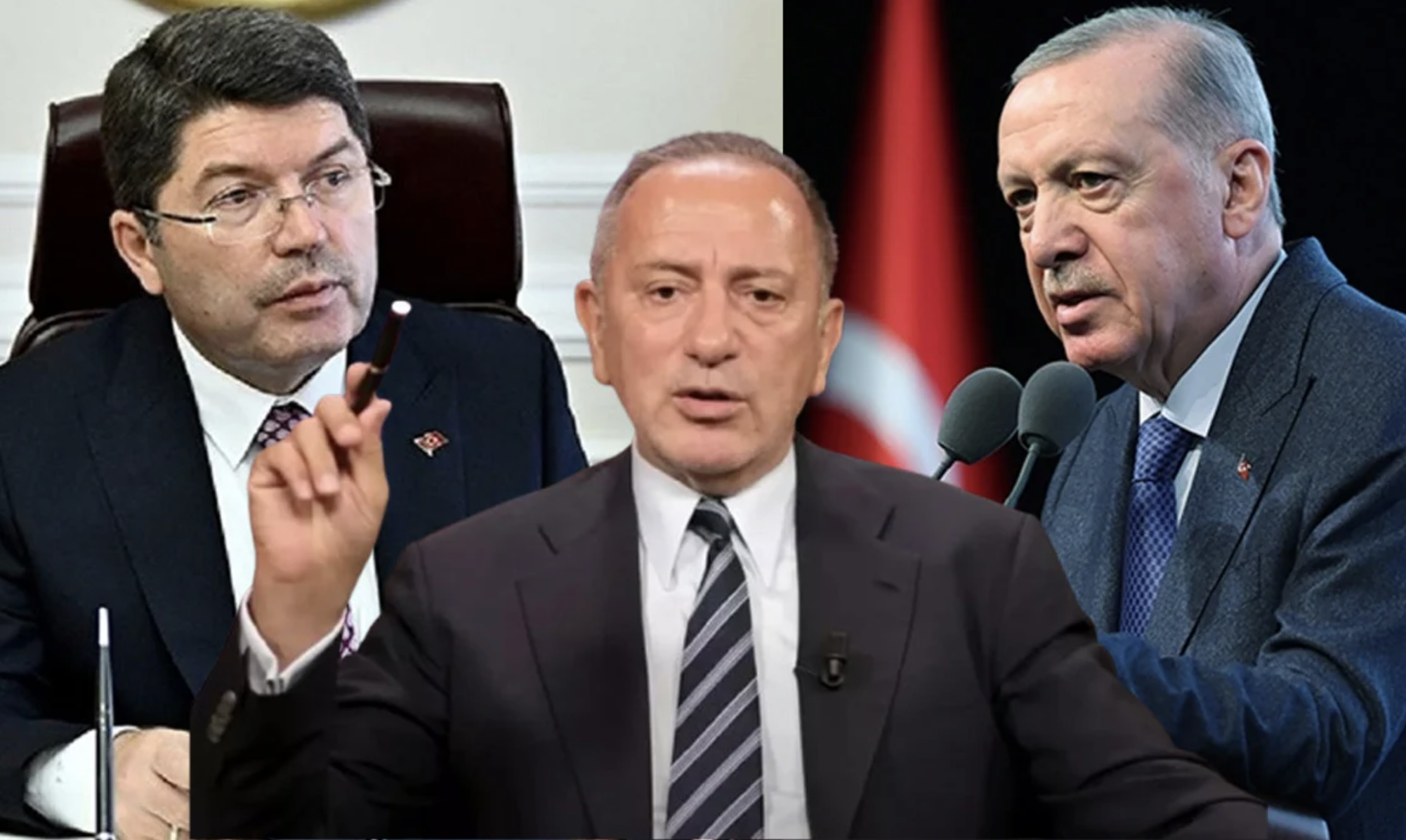 Fatih Altaylı
The Istanbul 26th High Criminal Court has released the reasoned verdict explaining why journalist Fatih Altaylı was sentenced to 4 years and 2 months in prison over statements made during a program on his YouTube channel. In its decision, the court concluded that Altaylı’s remarks do not fall within the scope of freedom of expression and ruled that his pretrial detention should continue due to the risk of flight.
The written justification, made public this week, has reignited debate over the boundaries of press freedom, the responsibilities of journalists on digital platforms, and the legal interpretation of speech made to mass audiences online.
Statements Found Outside Freedom of Expression
According to the court, Altaylı’s comments must be assessed not in isolation but together with the questions asked during the program and the answers he provided. When examined as a whole, the court determined that the discussion was directly related to President Recep Tayyip Erdoğan’s potential re-election and did not involve any third parties.
In its reasoning, the court stated that Altaylı’s remarks were interpreted as a threat suggesting that the complainant could be assassinated or killed. Based on this interpretation, the judges concluded that the statements exceeded the limits of protected speech and therefore could not be considered legitimate journalistic commentary.
The ruling emphasized that freedom of expression does not extend to statements that constitute threats, even when delivered in a political or journalistic context.
YouTube’s Reach Played a Key Role
A significant factor in the court’s decision was the platform and scale through which the statements were disseminated. The judges underlined that the program was broadcast on YouTube, an international and publicly accessible platform, making the content available to a global audience.
The court highlighted that Altaylı’s channel has more than one million subscribers and that the video in question was viewed hundreds of thousands of times. These factors, the ruling stated, demonstrate both the breadth of the audience reached and the potential impact of the statements.
Taking these elements into account, the court concluded that Altaylı acted with intent to convey the threatening message, given the visibility and influence of his platform.
Press Freedom Is Not Unlimited
In a dedicated section of the ruling, the court addressed the broader issue of press and expression freedoms. It acknowledged that the media has the ability to reach wide segments of society, which grants journalism a public service function. However, the court stressed that this power also imposes a heightened level of responsibility on journalists.
The judges explicitly stated that freedom of the press is not absolute and may be subject to restrictions under both national and international law. Referring to Article 10 of the European Convention on Human Rights, the court noted that freedom of expression can be limited for reasons including:
-
Public security
-
Public order
-
Protection of the rights and reputation of others
The ruling argued that these limitations are legally permissible and necessary when speech crosses into the realm of threats or endangers public safety.
Justification for Continued Detention
The court also explained why it decided to keep Altaylı in detention despite the verdict being subject to appeal. According to the reasoned decision, the severity of the sentence creates a risk of flight, making alternative measures insufficient.
The judges concluded that:
-
Judicial control measures would not adequately mitigate the flight risk
-
Continued detention is proportionate given the nature of the offense and the sentence imposed
As a result, the court ruled that pretrial detention should continue until further legal proceedings are completed.
Legal and Public Repercussions
The publication of the reasoned verdict has drawn significant public attention, particularly due to Altaylı’s long-standing role as a prominent journalist and commentator. Supporters argue that the ruling risks narrowing the space for political commentary, especially on digital platforms where journalists increasingly operate outside traditional media structures.
Legal experts note that the case underscores a growing judicial focus on the reach and influence of online media, especially platforms like YouTube that combine mass access with minimal editorial oversight. The court’s emphasis on subscriber numbers and view counts suggests that digital scale may increasingly factor into legal assessments of intent and impact.
A Broader Debate on Journalism in the Digital Age
Beyond the individual case, the ruling highlights a broader transformation in how courts evaluate journalistic responsibility in the digital era. Unlike traditional print or broadcast outlets, online platforms allow journalists to communicate directly with massive audiences, amplifying both influence and legal exposure.
As courts continue to interpret existing laws in the context of new media, cases like Altaylı’s are likely to shape future boundaries between critical commentary, political speech, and criminal liability.
For now, the Istanbul 26th High Criminal Court’s ruling stands as a clear statement: high visibility, political context, and perceived threat language can place journalistic speech outside the protection of freedom of expression, particularly when delivered to large audiences through global digital platforms.