Household Debt Hits Historic High as Inflation Squeezes Turkish Consumers
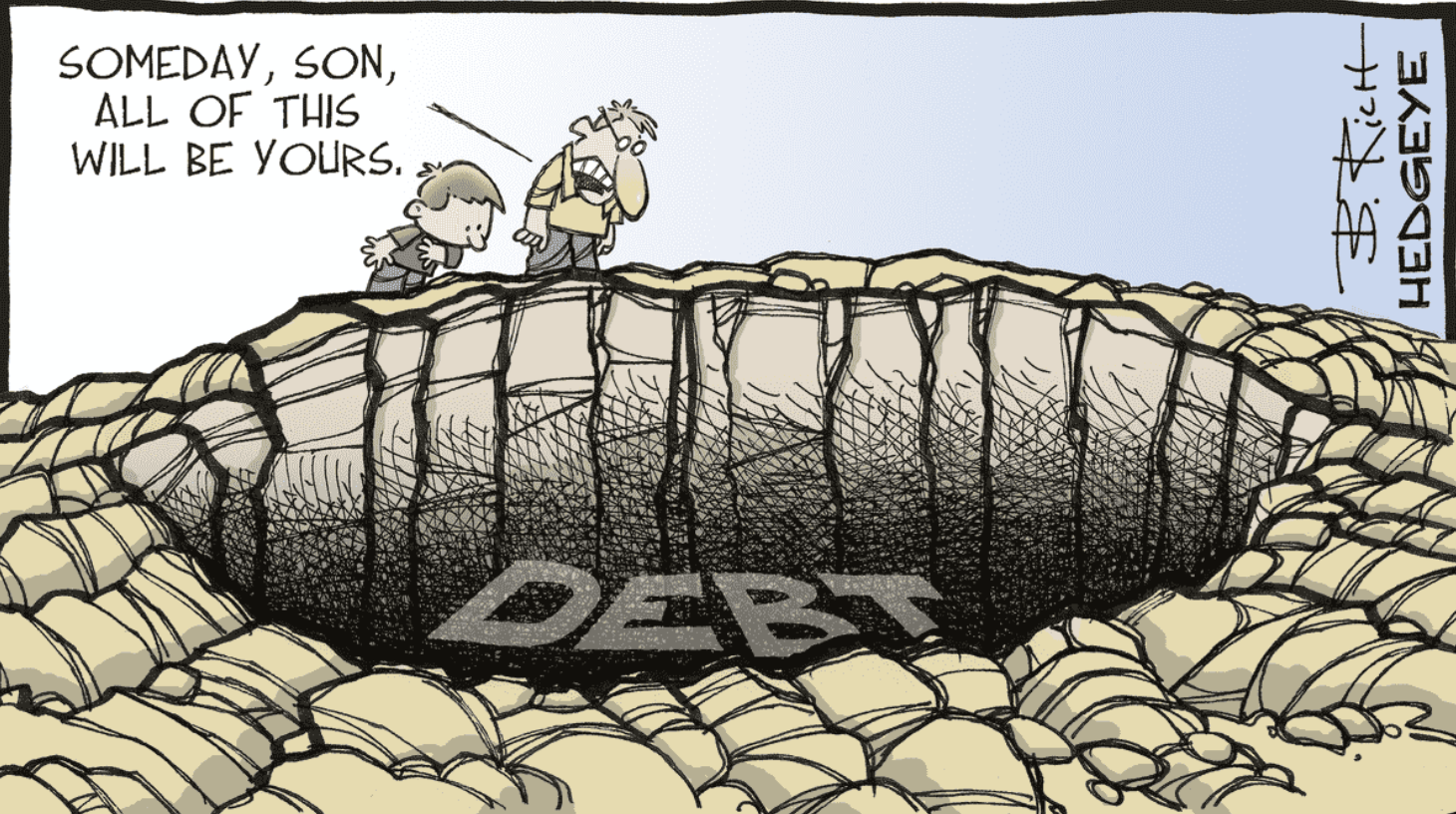 Household Debt
As high interest rates and persistent inflation continue to erode purchasing power, the financial pressure on fixed-income households in Turkey has intensified. New data from the Turkish Banks Association (TBB) Risk Center shows that household debt has surged to unprecedented levels, underlining how millions of citizens are increasingly relying on credit to sustain daily living expenses.
According to TBB Risk Center figures for October 2025, outstanding individual loan balances jumped by a staggering 59% year-on-year, approaching 5.44 trillion TL. This sharp rise highlights the growing dependence on borrowing in an environment where wages struggle to keep pace with rising costs.
Number of Individual Borrowers Keeps Rising
The expansion of household debt is not limited to higher balances; it is also driven by a growing number of borrowers. Data cited by Nefes newspaper indicates that the number of individuals with personal loan or credit card debt increased by 1.9 million in just one year, reaching a total of 43.3 million people.
This trend suggests that a significant share of the population is turning to credit instruments to bridge income gaps caused by higher food prices, housing costs, and everyday expenses. What was once short-term borrowing is increasingly becoming a long-term financial reality for many households.
Average Debt per Person Surpasses 125,000 TL
One of the most striking indicators of mounting financial stress is the sharp increase in average debt per borrower. Over the past year, average individual debt climbed by 42.7%, rising from 88,155 TL to 125,748 TL.
This increase reflects not only the broader inflationary environment but also the compounding effect of high interest rates. As borrowing costs rise, even routine expenses financed through credit become significantly more expensive over time, deepening household vulnerability.
Credit Cards Account for Nearly Half of All Household Debt
A closer look at the composition of household debt reveals that credit cards are the dominant driver of borrowing growth. Credit card balances now account for nearly half of all individual debt, with total outstanding card debt nearing 2.7 trillion TL.
Over the past year, credit card balances increased by 50%, while the average credit card debt per person rose to 66,983 TL. This pattern suggests that credit cards are increasingly being used not just for discretionary spending, but for essential needs such as groceries, utilities, and rent-related expenses.
Consumer Loans and Overdrafts Also Expand Rapidly
Beyond credit cards, consumer loans continue to play a significant role in household borrowing. Outstanding consumer loan balances reached 1.325 trillion TL, making them the second-largest component of individual debt.
The average consumer loan per borrower surged 61% over one year, reaching 130,683 TL. This sharp rise indicates that households are increasingly using personal loans to consolidate debt, cover significant expenses, or offset declining real incomes.
Meanwhile, balances in overdraft accounts, known as Kredili Mevduat Hesapları (KMH), rose even more dramatically. Often preferred due to relatively lower interest rates than other short-term credit options, KMH balances jumped 81% year-on-year to 702 billion TL. This growth underscores how households are tapping every available source of liquidity to manage cash flow pressures.
Non-Performing Loans Signal Rising Repayment Stress
A worrying deterioration in repayment capacity has accompanied the surge in borrowing. Loans entering liquidation due to non-payment increased by a striking 91% over the past year, reaching nearly 668 billion TL.
This sharp rise in non-performing individual loans reflects the growing gap between household income and debt obligations. As interest expenses climb and disposable income shrinks, more borrowers are struggling to keep up with repayments, pushing banks to classify a growing share of loans as distressed.
Commercial Credit Stress Also Intensifies
Household debt is not the only area showing signs of strain. Commercial credit balances rose by 41% year-on-year, reaching 17.2 trillion TL. At the same time, commercial loans classified as non-performing surged by 77%, climbing to 438 billion TL.
Sectoral data points to construction as the most heavily affected industry, with sectoral debt increasing by 54%. This suggests that financing pressures are spreading beyond households into the broader real economy, particularly in sectors sensitive to interest rates and economic cycles.
A Broader Picture of Financial Fragility
Taken together, the data paints a picture of rising financial fragility across Turkey’s economy. High inflation erodes real incomes, while elevated interest rates increase the cost of borrowing. In this environment, households rely more heavily on credit, but their ability to service that debt weakens over time.
The rapid growth in both household and commercial non-performing loans signals that the current trajectory may be challenging to sustain. Without a meaningful improvement in real income growth or a stabilization in borrowing costs, debt burdens are likely to remain a significant challenge for consumers and businesses alike.
Related articles

Fitch Scenario: Risks to Turkish Banking Seen Emerging from Real Sector Stress

Turkey Moves to Tighten Rules on Overdraft Accounts

Credit Card Balances Set New Records Despite Tightening