Massive Sinkholes Threaten Türkiye’s Breadbasket as Groundwater Crisis Deepens
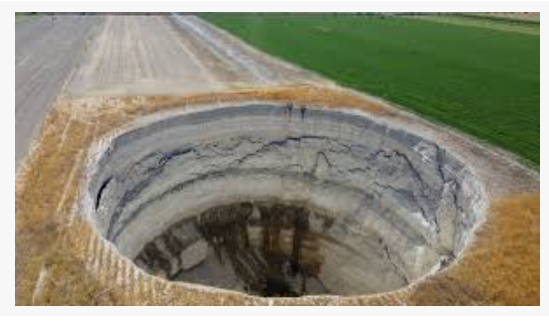 obruk
obruk
Türkiye’s Konya Plain — the country’s agricultural heartland and main wheat-producing region — is facing an escalating environmental emergency. More than 600 sinkholes have been officially identified, with experts warning that unchecked groundwater depletion and worsening drought could push the region toward irreversible ecological and economic damage.
Türkiye’s Largest Agricultural Region Faces Growing Threat
The Konya Plain, long known as Türkiye’s “granary,” spans 2.6 million hectares and represents over 11% of the nation’s cultivable land. But this fertile basin is now grappling with a wave of massive sinkholes, some plunging 30 metres deep and stretching 100 feet wide, raising urgent concerns about food security.
Sinkholes Surging Across the Basin
According to Türkiye’s disaster management authority AFAD, 684 sinkholes have been officially documented so far. But research from Konya Technical University’s Sinkhole Research Center shows a much more dramatic trend:
-
2017: 299 sinkholes
-
2021: 2,550 sinkholes
-
2025: At least 20 new large sinkholes recorded so far
Karapınar district remains the worst affected, with 534 sinkholes, mostly in farmland.
Authorities have also detected early signs of land subsidence at 1,850 locations, prompting expanded monitoring and risk assessment.
A Crisis Decades in the Making
Scientists warn that the disaster did not happen overnight. Over the past two decades, a combination of poor policy, unregulated irrigation practices, and heavy groundwater extraction has set the stage for the current emergency. The situation worsened significantly in 2025 as drought conditions intensified.
Three Main Drivers of the Sinkhole Explosion
1. Karst Geology
The Konya Plain sits atop soluble rocks such as limestone, carbonate, and gypsum. When groundwater levels fall, the soil structure weakens, causing sudden collapses.
2. Declining Rainfall
Türkiye is experiencing its lowest water reserves in 15 years. Climate change has reduced rainfall and hindered natural replenishment of aquifers.
3. Excessive Groundwater Extraction
Thousands of wells — many of them unregistered — pump water for thirsty crops like sugar beet and maize.
Groundwater levels have fallen up to 60 metres in some areas since the 1970s.
Experts Warn the Crisis Could Accelerate
Researchers at Konya Technical University caution that unless groundwater use is urgently regulated, sinkhole formation could accelerate rapidly. Provinces such as Karaman and Aksaray could soon face similar risks as drought spreads.
Government Steps In — But Is It Enough?
Authorities have launched a crackdown on illegal wells and expanded risk mapping. AFAD teams are now monitoring vulnerable zones to reduce threats to people, livestock, and infrastructure.
However, environmental experts argue that long-term water reforms and climate adaptation measures are essential to prevent the collapse of Türkiye’s most vital agricultural region.
A Threat to the Economy, Food Security, and Rural Life
Sinkholes are already swallowing thousands of hectares of farmland, forcing families to abandon their fields. The consequences are far-reaching:
-
Lower domestic grain output
-
Increased reliance on imports
-
Millions of dollars in agricultural losses
-
Risks to livestock and human safety
-
Rising rural-to-urban migration
Uncertain Future for Konya’s Breadbasket
While government monitoring may reduce immediate dangers, the long-term outlook remains troubling. Without structural water management reforms, Türkiye risks losing not just agricultural land — but a cornerstone of its food security.
PA Turkey intends to inform Turkey watchers with diverse views and opinions. Articles on our website may not necessarily represent the view of our editorial board or count as endorsement.
Follow our English-language YouTube videos @ REAL TURKEY:
https://www.youtube.com/channel/UCKpFJB4GFiNkhmpVZQ_d9Rg
Twitter: https://twitter.com/AtillaEng
Facebook – Real Turkey Channel:
https://www.facebook.com/realturkeychannel/
Related articles
Türkiye Faces Deepening Drought Crisis as Rainfall Hits 52-Year Low
CHP Lawmaker Warns of Deepening Agricultural Crisis as Türkiye Faces Food Supply Risks
Iran War to Drive Food Inflation, Deepen Economic Strains