Inflation Cooldown? Mehmet Şimşek Signals December Surprise Ahead
 mehmet simsek
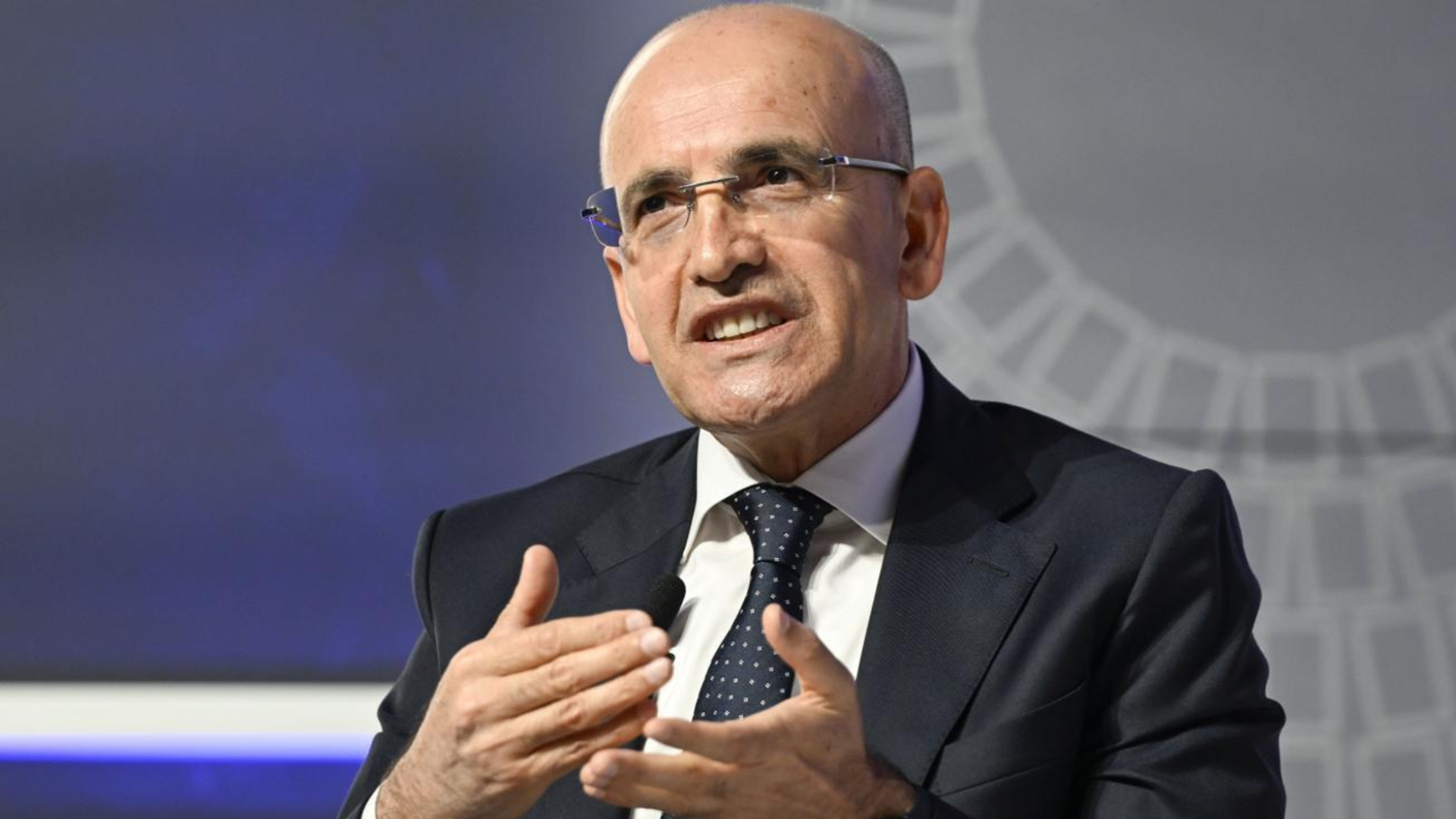
Turkey’s Treasury and Finance Minister Mehmet Şimşek shared fresh assessments following the release of the latest inflation figures, noting that the downward momentum observed in November is likely to extend into December. In a post published on social media, Şimşek highlighted key improvements across price indicators, reinforcing the government’s commitment to a steady disinflation path.
Şimşek stated:
“We expect the moderate course of monthly inflation to continue in December.”
His remarks came as the Turkish Statistical Institute (TÜİK) announced that annual inflation dropped to 31.1% in November, marking the lowest level in four years and representing an improvement of more than 44 points compared to May 2024. Şimşek underscored that core goods inflation declined below 19%, signaling stabilization in categories previously under pressure.
Food Inflation Returns to Normal Range After Sharp Spikes
One of the notable elements Şimşek emphasized was the normalization of food inflation. Between August and October, food prices rose considerably above long-term averages. However, November marked a return to typical levels, softening one of the components that had fueled public concern over cost-of-living pressures.
This moderation, he noted, supports the broader disinflation narrative the government has been trying to reinforce ahead of 2025.
The Minister Outlines Key Drivers of Türkiye’s 2026 Disinflation Plan
Şimşek provided a detailed breakdown of the factors that are expected to anchor the country’s disinflation trajectory into 2026, highlighting several structural and policy-driven elements expected to support price stability. According to the minister, the pillars of the disinflation strategy include:
-
Supportive global financial conditions and moderate commodity prices, which can ease external inflationary pressures
-
A tight monetary policy, aimed at reducing domestic demand-side pressures
-
Strengthened financial stability, contributing to predictable pricing behavior
-
A supportive fiscal stance, maintaining discipline while backing disinflation goals
-
Tax and fee adjustments, alongside administered price decisions that align with budget capacity and inflation targets
-
Rule-based pricing models in education, helping prevent uncontrolled cost increases
-
An acceleration in the improvement of inflation expectations as the downward trend continues
-
Supply-side policies across critical areas such as food, housing, and energy
These measures, Şimşek suggested, form the backbone of a coordinated government strategy designed not only to curb inflation but also to embed sustainable stability across key sectors.
A Clear Message: Commitment to Price Stability
Şimşek concluded his message with a firm statement on the policy direction of the government:
“We will continue to implement our program, which centers on price stability, with determination.”
His emphasis on decisiveness reflects the administration’s broader aim of rebuilding confidence in economic policymaking. As inflation remains one of the most pressing concerns among households and businesses, the consistency and clarity of such messaging play a central role in shaping expectations.
Broader Implications for Türkiye’s Economic Outlook
The latest inflation results and Şimşek’s comments feed into a broader narrative about the country’s macroeconomic outlook heading into 2025 and beyond. While the decline in annual inflation provides welcome relief, the path forward will depend heavily on the effectiveness of the tight monetary stance and the alignment of fiscal tools with the broader goal of disinflation.
Business groups and financial markets have been closely monitoring Turkey’s signals on policy discipline. The newly emphasized supply-side improvements—in housing, energy, and especially food—will be watched carefully, given their direct impact on consumer budgets.
Related articles
ANALYSIS: 2025 Budget Performance A “Pleasant Surprise”

VP Yılmaz: Disinflation Continues Thanks to Decisive Economic Program
Inflation Hits 33% in Turkey, Economists Warn Rate Cuts No Longer Possible